US Plans to Declare Strait of Hormuz American Territory Amid Geopolitical Tensions
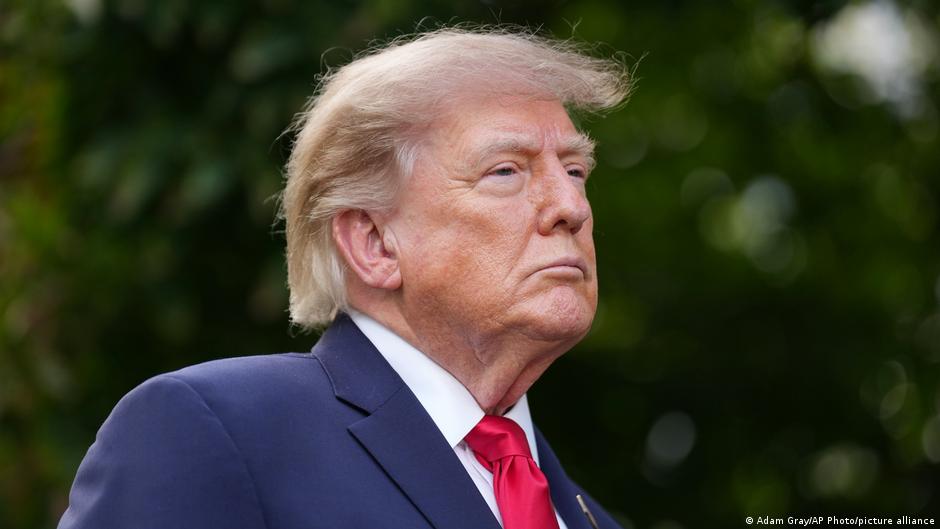
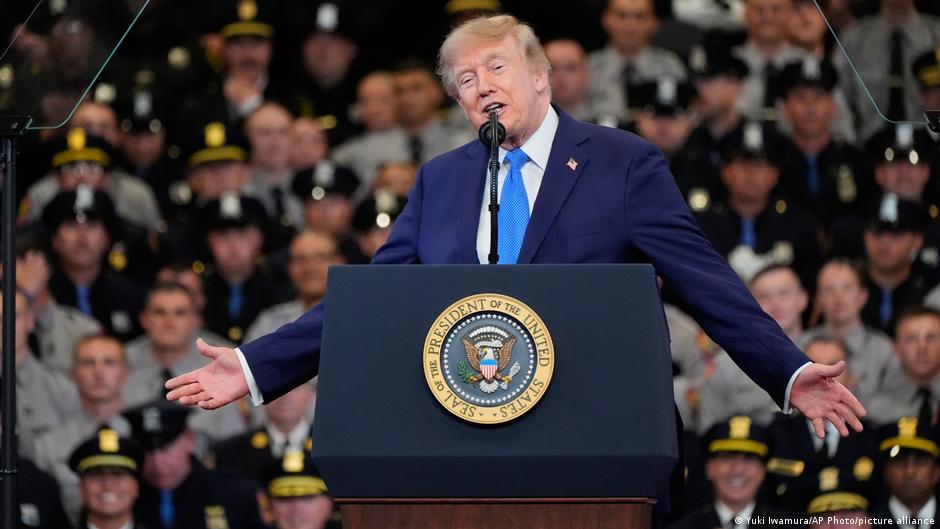
President Trump plans to declare the Strait of Hormuz U.S. territory, affecting global energy security and digital financial markets amid ongoing U.S.-Iran tensions.

President Trump plans to declare the Strait of Hormuz U.S. territory, affecting global energy security and digital financial markets amid ongoing U.S.-Iran tensions.

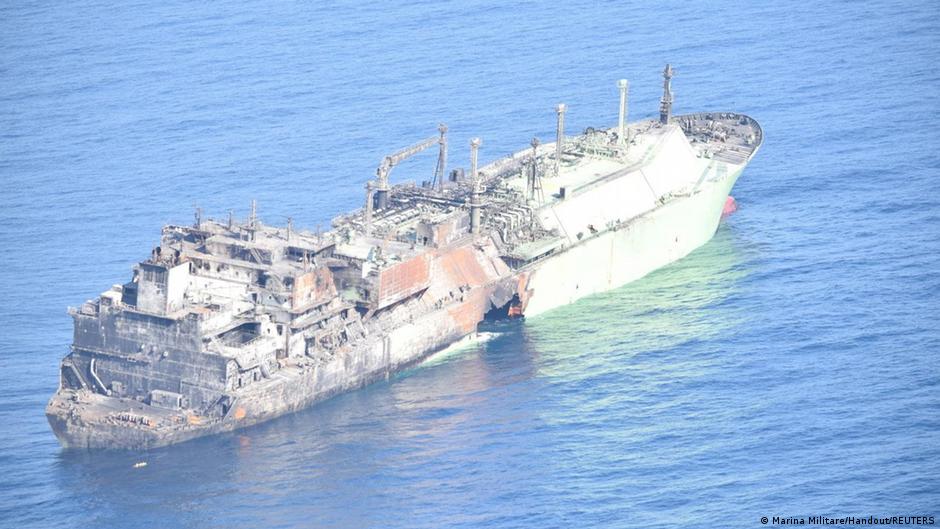
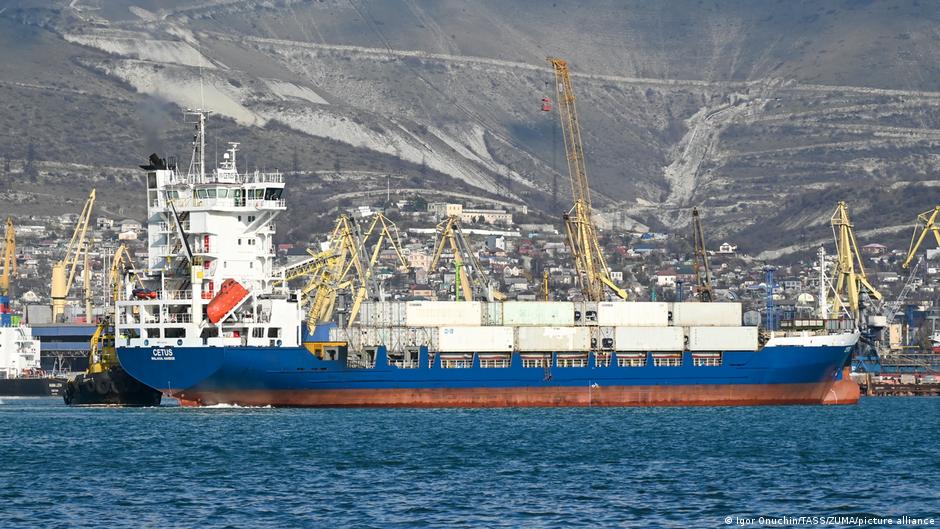
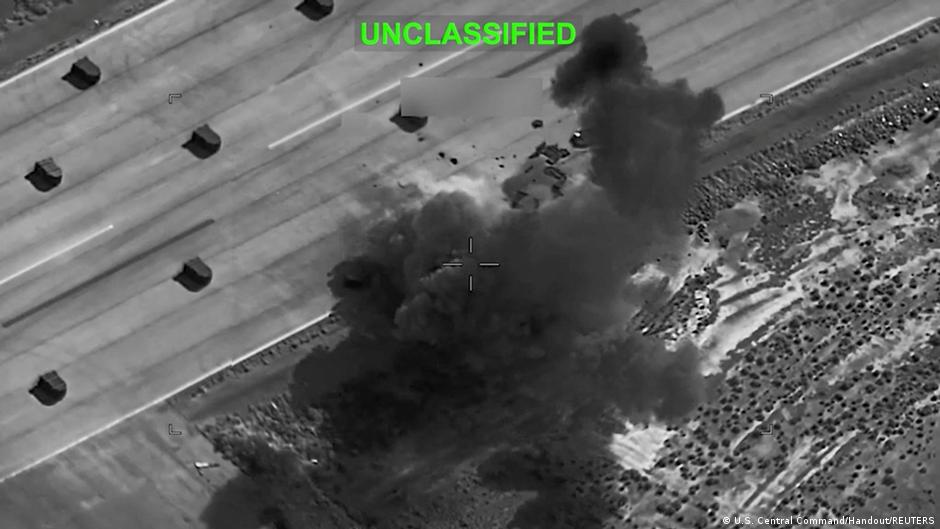
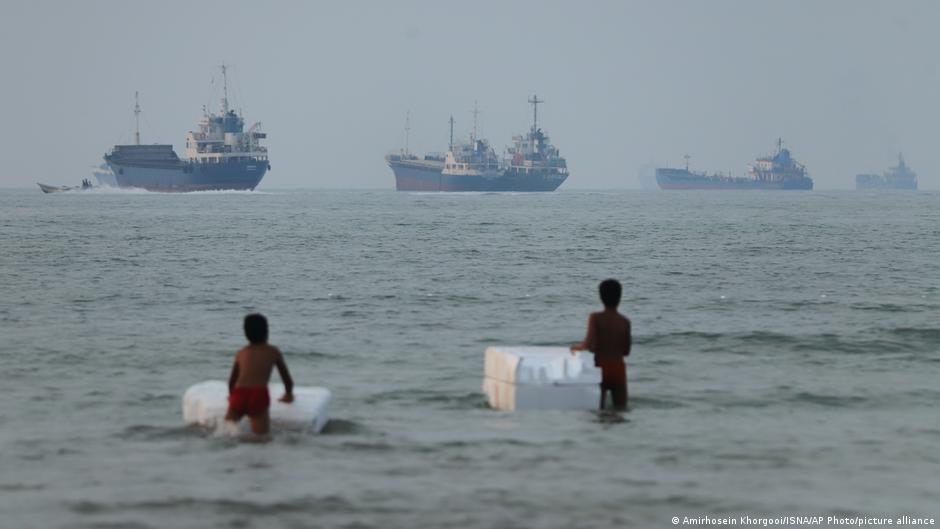
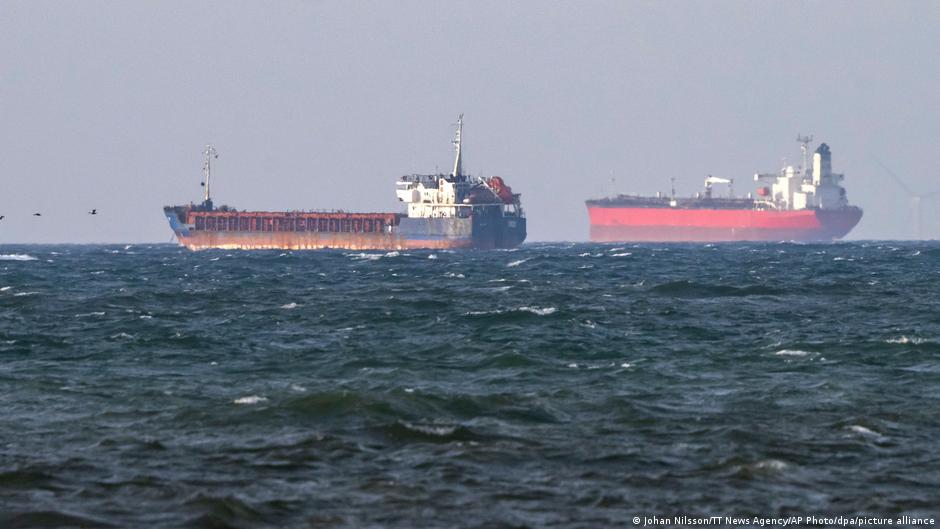
US forces disabled a cargo ship's steering attempting to breach Iran's blockade in the Strait of Hormuz, underscoring US control and geopolitical risks impacting global fintech and trade.

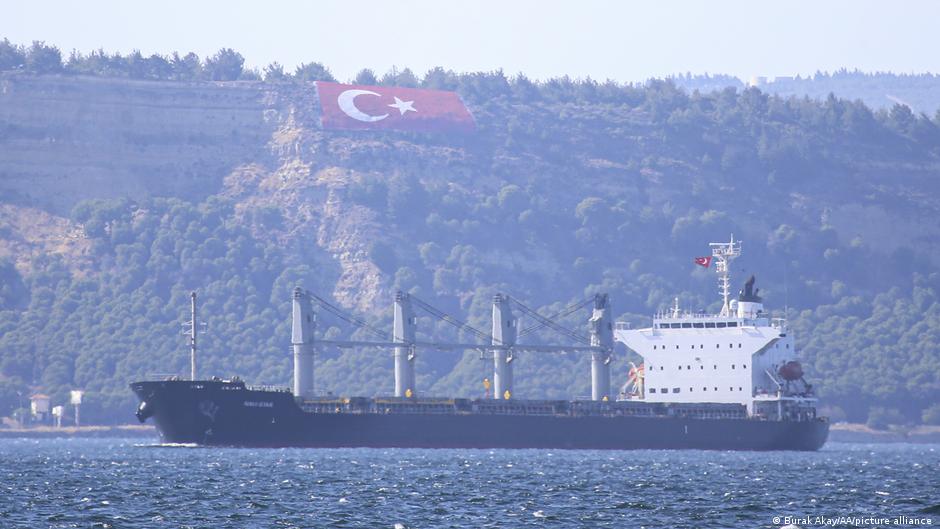
Turkey resumed commercial ship transit through the Dardanelles after restrictions linked to Black Sea conflicts disrupted key maritime trade routes impacting regional and global commerce.

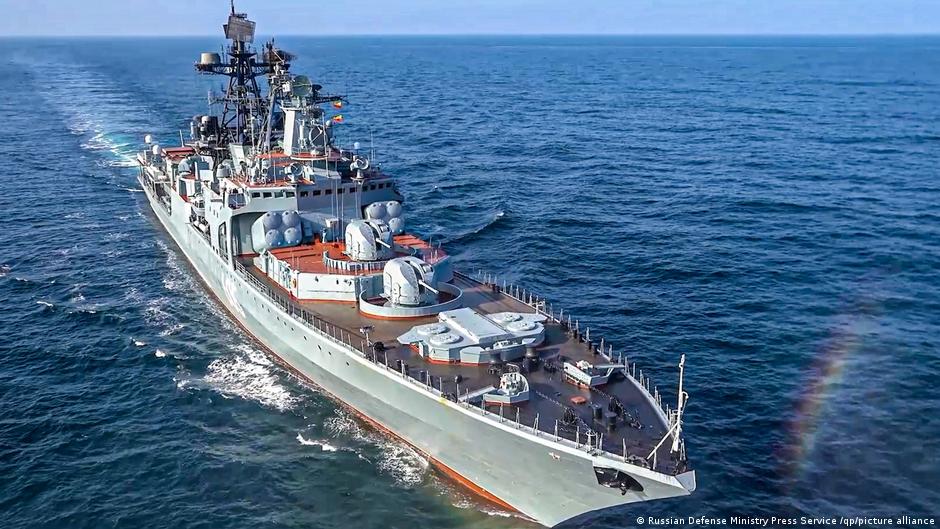
Russia moves its anti-submarine ship Admiral Levchenko to the Baltic Sea to secure shadow fleet operations, impacting maritime security and fintech risk management.

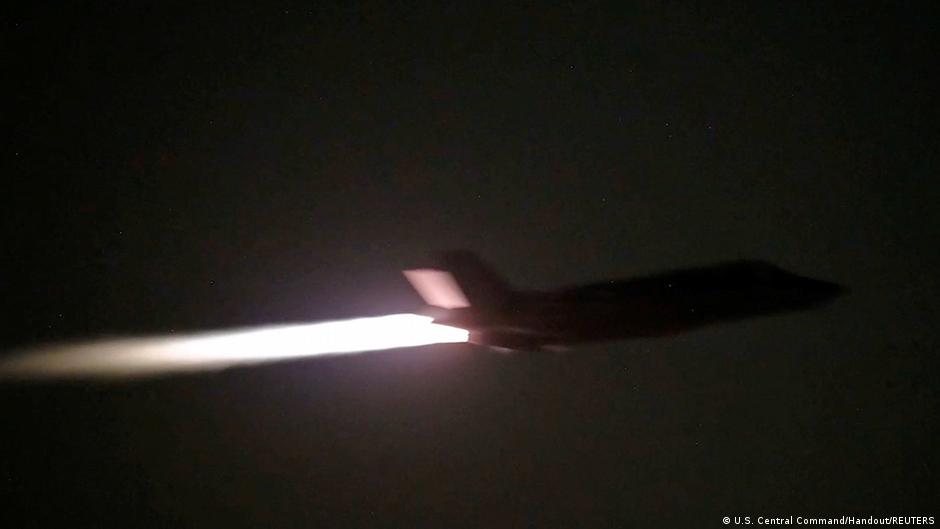
US forces continue 11th night of strikes on Iran, targeting military assets in a bid to secure Strait of Hormuz shipping lanes amid rising regional tensions.

US military strikes on Iran escalate tensions, closing the Strait of Hormuz and disrupting global oil flows with significant implications for fintech, digital payments, and cybersecurity.

US military strikes on Iran retaliate against tanker attacks in the Strait of Hormuz, raising risks for maritime trade, energy markets, and digital financial ecosystems.

The EU agrees to extend sanctions on Russia for one year, increasing pressure on energy and finance sectors, with implications for fintech, cybersecurity, and digital payments.

The US has lifted its naval blockade of the Strait of Hormuz, enabling record oil shipments and initiating a 60-day negotiation period with Iran to finalize a peace deal.

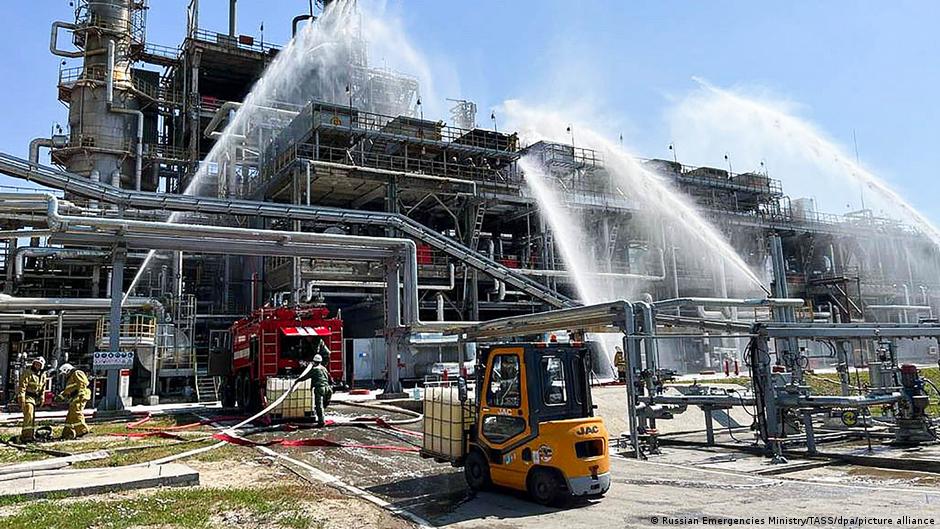
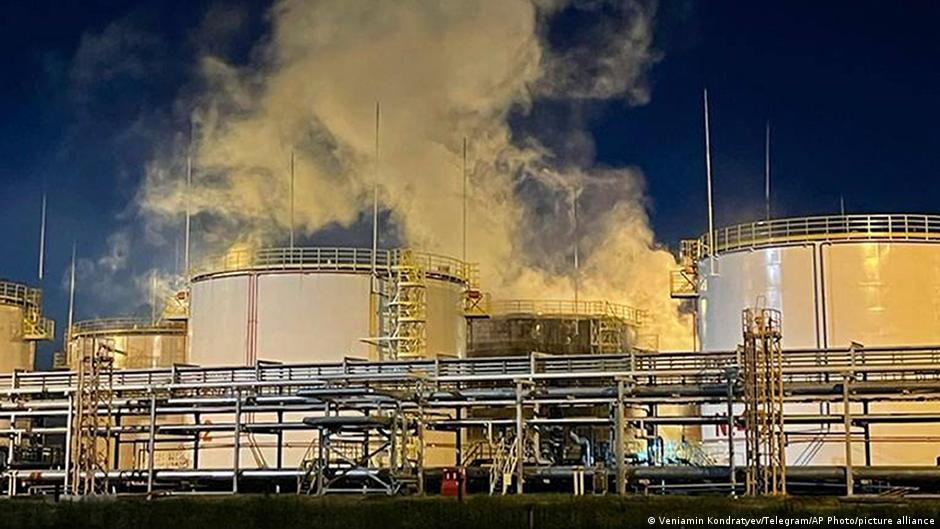
Drone strikes on oil facilities in Rostov and Saratov regions have ignited fires, exposing vulnerabilities in Russia's energy infrastructure with potential fintech and economic repercussions.

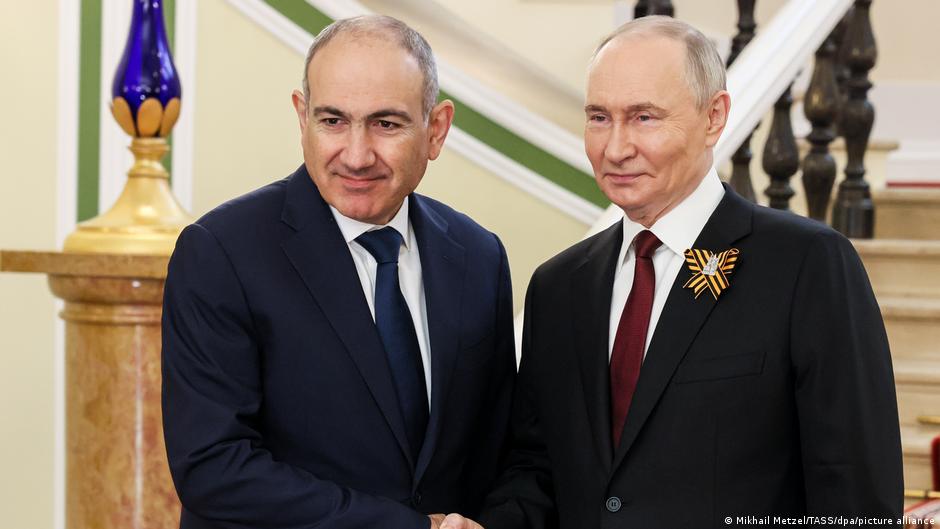
Russia warns Armenia that deepening EU ties may end duty-free gas and oil supplies, threatening energy security and economic cooperation amid geopolitical tensions.

The US has ended its temporary waiver on sanctions for Russian oil shipments, impacting global energy payments and fintech compliance requirements amid geopolitical tensions.

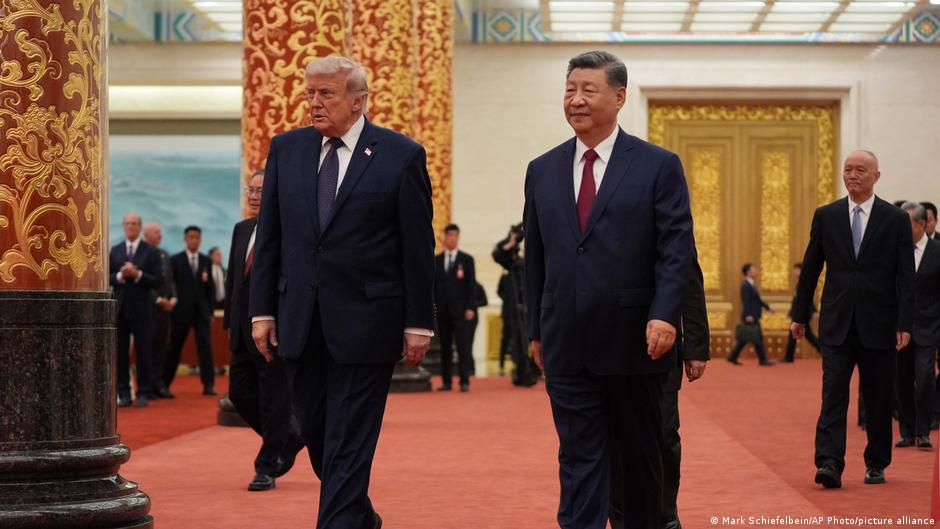
Donald Trump reveals China’s interest in US oil and soybean purchases, signaling shifts in trade relations with implications for energy, commodities, and fintech sectors.

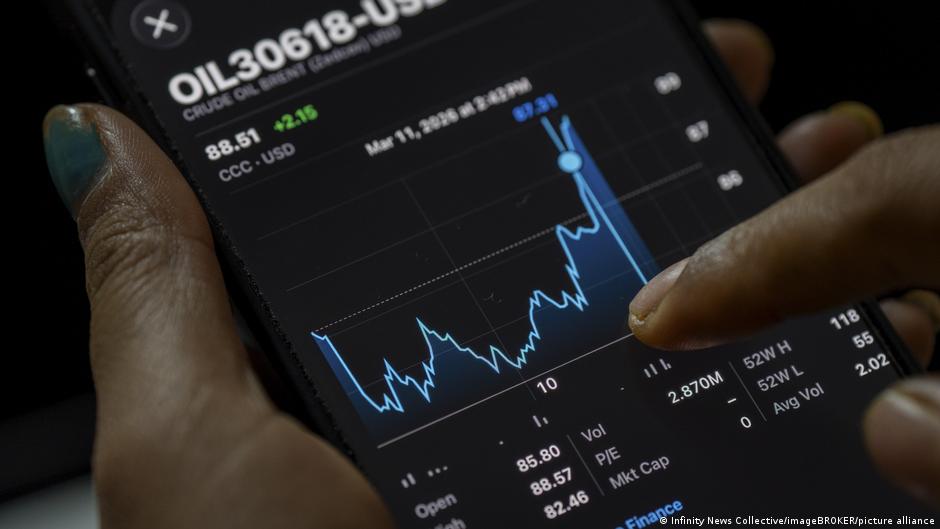
US-Iran tensions cause Brent oil prices to surge over $119, impacting fintech, digital banking, and tech stocks through increased volatility and inflation risks.

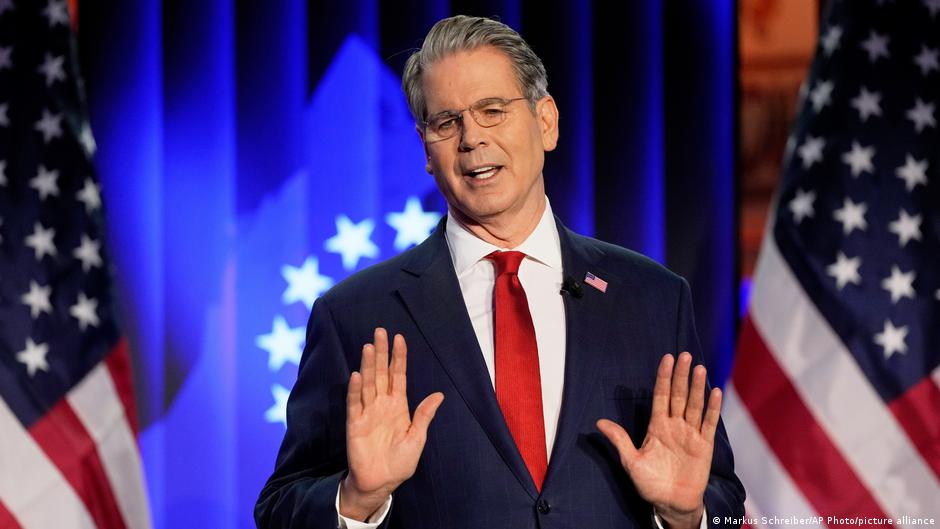
US Treasury Secretary Scott Bessent confirms no further extensions for sanctions exemptions on Russian and Iranian oil shipments already at sea.

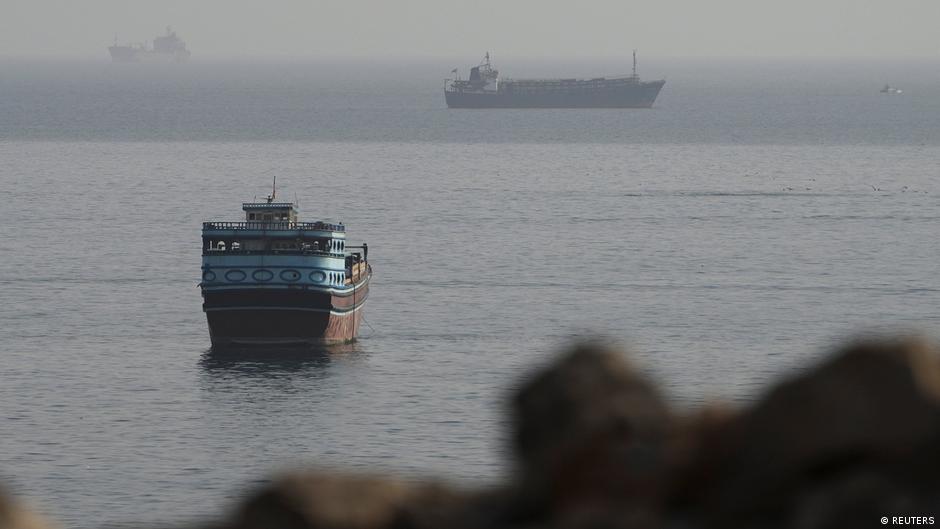
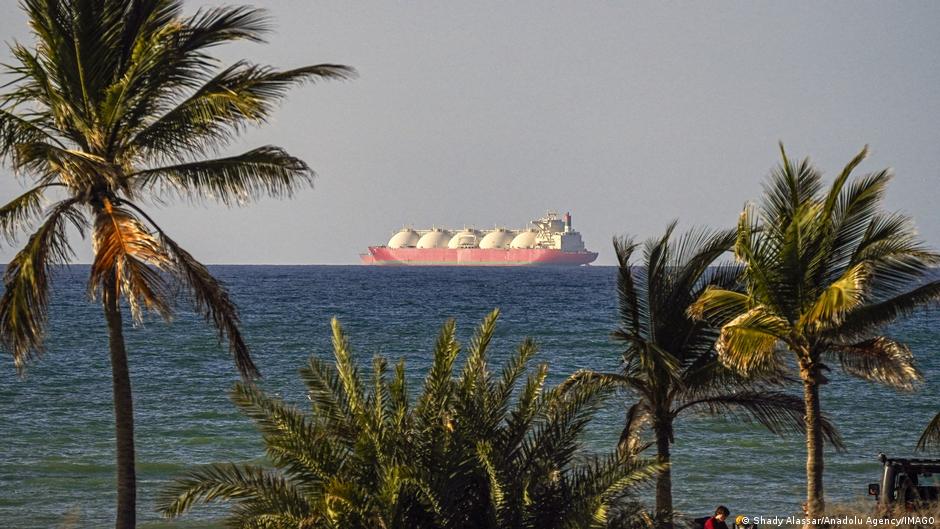
US forces seized an Iranian cargo ship in the Gulf of Oman, escalating tensions and impacting regional fintech, digital payments, and cybersecurity amid ongoing maritime conflicts.

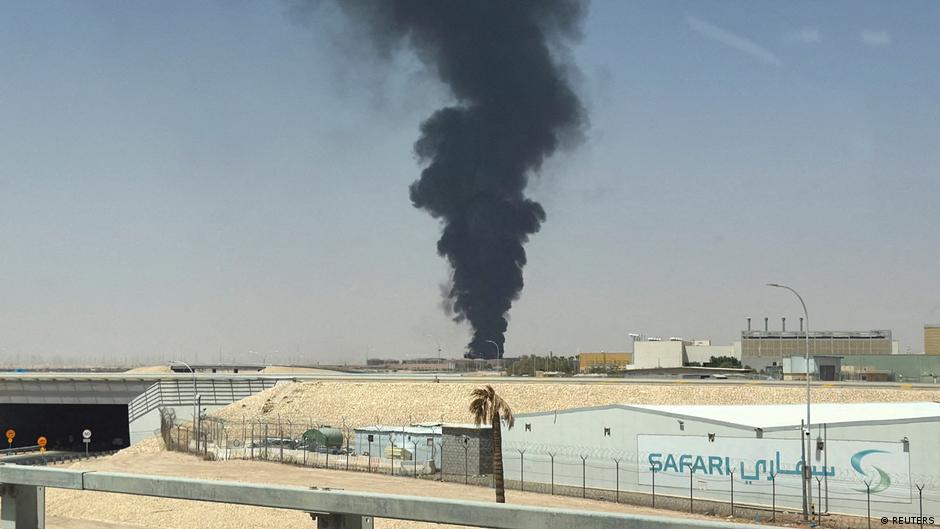
Drone strikes on Russian oil depots ignite fires without casualties, raising cybersecurity and operational risks for critical energy infrastructure amid ongoing conflict.

The US has extended its waiver on sanctions for Russian oil shipments until May 16, raising concerns about sanction evasion and implications for fintech compliance and digital payments.