Russian Northern Fleet's Admiral Levchenko Deploys Near Germany Amid Maritime Security Moves
Russia relocates a major anti-submarine ship to Baltic Sea, potentially impacting maritime logistics linked to shadow fleet operations.
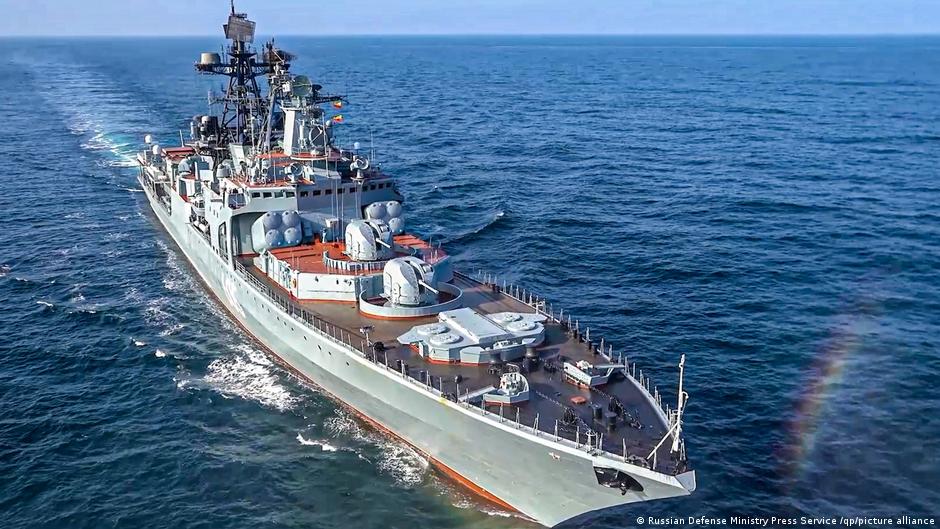
In a significant maritime redeployment, Russia has transferred the large anti-submarine warfare vessel Admiral Levchenko from the Barents Sea to the Baltic Sea, where it was recently spotted near the German island of Fehmarn. This move comes amid increasing scrutiny of Russia’s efforts to secure its maritime logistics routes, particularly those linked to its so-called "shadow fleet" transporting sanctioned commodities.
Strategic Naval Redeployment and Shadow Fleet Protection
The Admiral Levchenko, one of the Northern Fleet’s largest surface combatants, was photographed from the German shore on July 31 and later north of Rostock, according to German defense sources. Although Russian authorities have not publicly disclosed the ship’s repositioning or its operational objectives in the Baltic, analysts suggest the vessel is set to replace the destroyer Severomorsk, which recently ended its patrol of the Fehmarn Belt strait between Denmark and Germany.
"The Admiral Levchenko is likely tasked with safeguarding maritime transit routes used by Russia’s shadow fleet to move oil and other sanctioned goods," noted maritime observers.
The Severomorsk had been conducting security operations described by Russian sources as protecting civilian vessels, a phrase believed to mask the protection of shadow fleet tankers circumventing sanctions. Its withdrawal at the end of June left only the Baltic Fleet corvette Soobrazitelny remaining in the area, which the newly arrived anti-submarine ship will now support.
Implications for Maritime Security and Digital Payment Flows
This naval repositioning highlights Russia’s ongoing efforts to maintain control over critical maritime corridors vital for its oil exports, which have notable implications for the global energy supply chain and related financial transactions. The shadow fleet’s activities directly affect payment processing, insurance, and compliance monitoring within the maritime and energy fintech sectors.
Moreover, the presence of a major anti-submarine vessel in this strategic corridor underscores the potential for increased tensions and cybersecurity risks, as maritime tracking and payment platforms may face disruptions or attempts at obfuscation. This situation also presents challenges for digital banking and fintech firms specializing in trade finance and sanctions compliance, requiring enhanced vigilance and adaptive risk management strategies.
Connections to Sanctioned Assets and Evasive Maneuvers
Alongside naval deployments, Russia’s maneuvering of high-value assets continues. The superyacht Graceful, reportedly linked to President Vladimir Putin and built in Germany, was escorted from Kaliningrad to Murmansk under the guise of heading to Istanbul. This yacht was sanctioned by the United States in 2022 due to its association with Russian leadership.
Observers interpret the relocation as a protective measure against drone attacks, reflecting the broader geopolitical volatility that intersects with fintech concerns over asset security, sanction enforcement, and cross-border financial flows in the digital economy.
As Russia intensifies maritime security efforts in the Baltic Sea, fintech companies and digital economy stakeholders must monitor these developments carefully to mitigate exposure to emerging risks in payments, trade finance, and cybersecurity domains.