US Military Strikes Cargo Ship Attempting to Breach Iran Blockade, Highlighting Maritime Control
US forces disabled steering of a cargo vessel trying to enter an Iranian port amid ongoing blockade enforcement in the Strait of Hormuz.
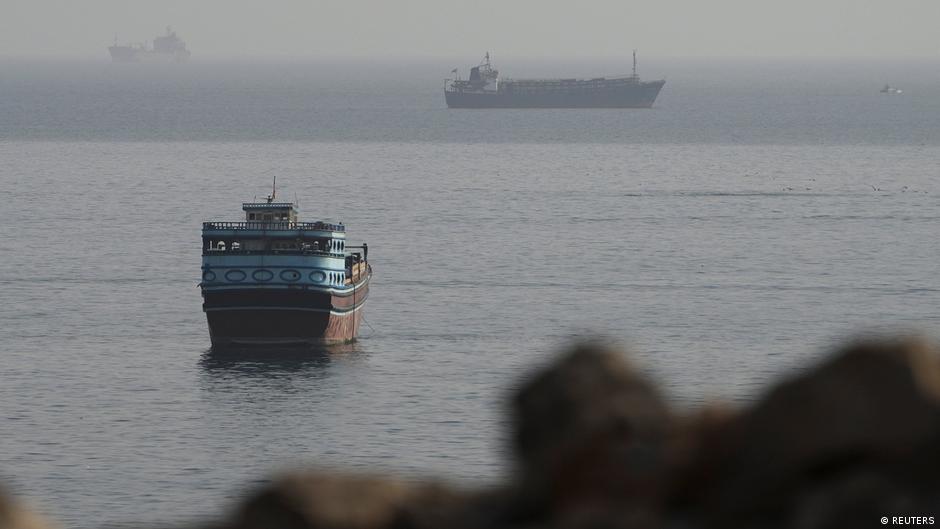
On August 11, US military forces launched a missile strike against the Panamanian-flagged cargo ship M/V Vela Nova as it attempted to breach the United States’ maritime blockade of Iran. The vessel was targeted in the strategic Strait of Hormuz region, a vital corridor for global energy supplies and maritime trade.
Strategic Maritime Control and Its Implications for Global Trade and Fintech
The strike, confirmed by the US Central Command (CENTCOM), involved a US Navy MH-60 helicopter firing two Hellfire missiles at the ship’s engine room after the crew ignored multiple warnings. The attack disabled the vessel's steering system, effectively preventing the ship from proceeding to its intended Iranian port.
“After repeated warnings were ignored by the civilian crew, US forces took action to disable the vessel’s steering,” CENTCOM reported.
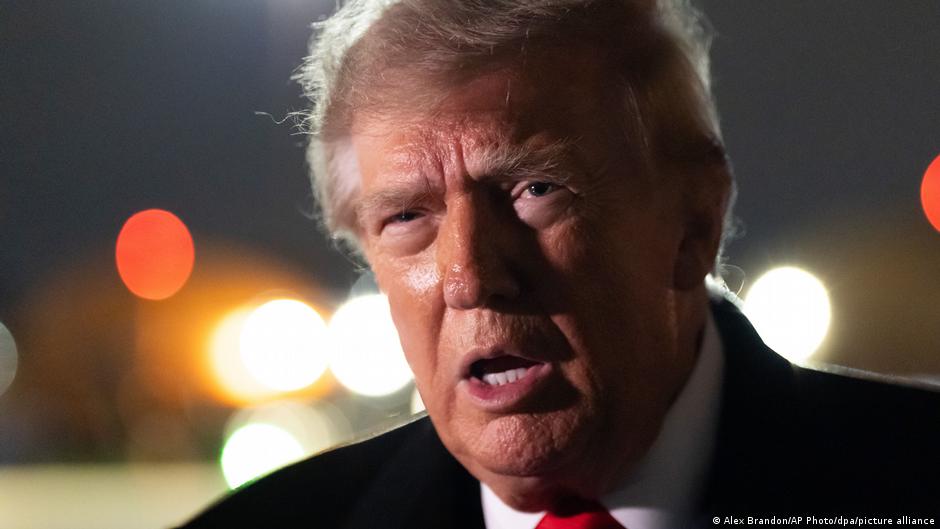
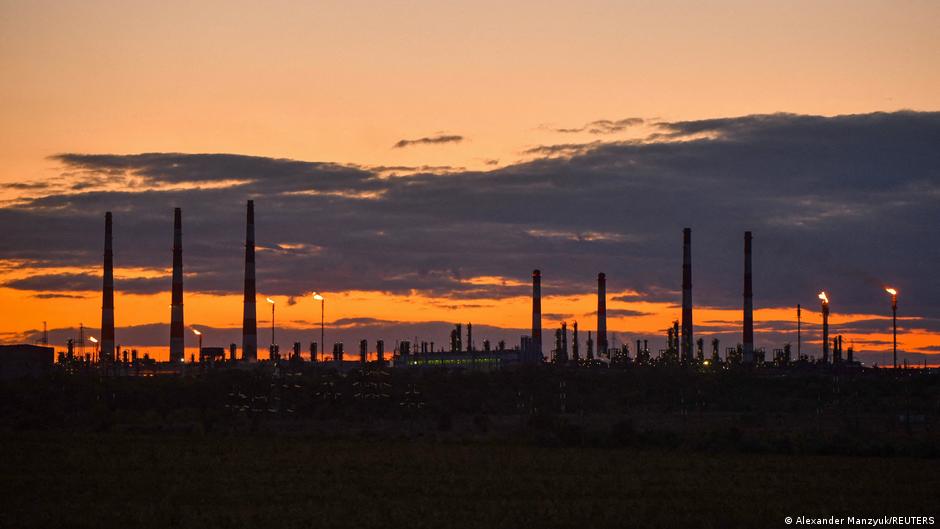
This incident underscores the US’s assertion of full control over the Strait of Hormuz, a chokepoint through which approximately one-fifth of the world’s petroleum passes. US President Donald Trump emphasized American dominance in the region, warning Iran against any provocative actions and asserting readiness to respond decisively.
From a fintech and digital economy perspective, such geopolitical tensions at this strategic maritime hub have significant implications. The Strait of Hormuz is critical not only for physical trade but also for the digital infrastructure supporting global shipping logistics and fintech payments systems that facilitate international trade finance.
Disruptions in this region can exacerbate volatility in energy markets, influencing the pricing of oil and gas, which in turn affects energy derivatives, crypto tokens pegged to commodities, and blockchain-based supply chain platforms. Moreover, heightened geopolitical risk can accelerate demand for cybersecurity solutions in maritime and trade finance sectors to safeguard transaction integrity and digital asset custody amid uncertain conditions.
The US military also reported redirecting 55 commercial vessels attempting to violate the blockade, disabling three ships, and boarding two others as part of ongoing enforcement operations. According to maritime tracking data, the Vela Nova was last located in India’s port of Nhava Sheva on August 6 before heading towards Iran.
Meanwhile, Iran has set new conditions for reopening the Strait to international shipping, demanding war reparations and the lifting of US sanctions. These developments contribute to continued uncertainty, prompting traders, insurers, and digital finance platforms to recalibrate risk models and payment protocols accordingly.
As the US maintains naval dominance in the Straits, fintech innovations such as blockchain-based trade finance, real-time cross-border payments, and AI-driven risk analytics become increasingly vital to navigate the complex economic landscape shaped by geopolitical conflicts. Investors in technology and cybersecurity stocks closely monitor these maritime security developments, given their potential to influence global trade flows and digital transaction volumes.
In summary, the US strike on a cargo vessel attempting to breach the Iranian blockade demonstrates a firm commitment to controlling a critical global trade artery. This control not only has direct ramifications for physical shipping but also for the fintech infrastructure underpinning international commerce and digital payments.