Turkey Resumes Ship Transit Through Straits Amid Black Sea Security Concerns
Turkey has reopened its straits to commercial shipping after temporary restrictions linked to regional Black Sea tensions.
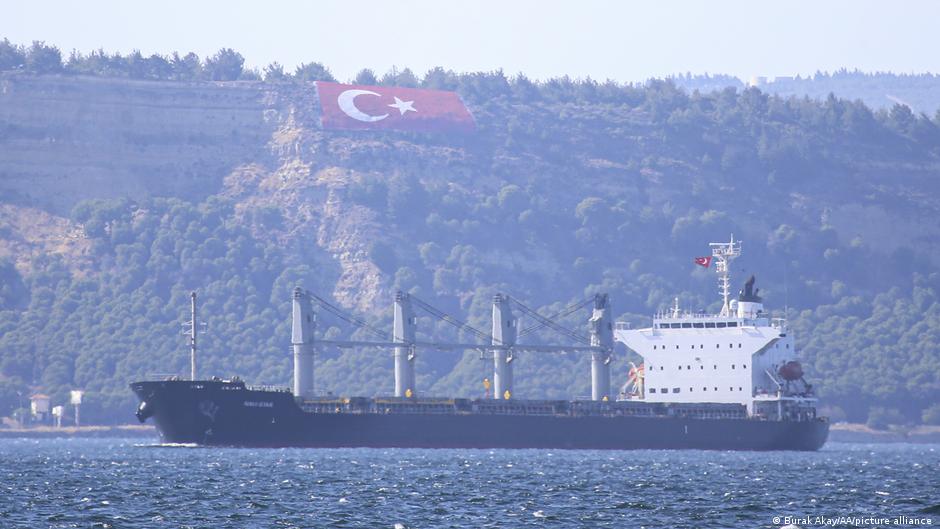
On August 9, Turkey reopened the transit of commercial vessels through the strategic Dardanelles Strait, a critical maritime gateway to the Black Sea, according to recent shipping data. The oil tanker Aegean Dream, bound for Novorossiysk in Russia, and the container ship Mehmet Kahveci A were among the first vessels to pass through after several days of delays.
Impact of Regional Conflict on Maritime Traffic and Trade Routes
Turkey had imposed restrictions on the passage of merchant ships through its straits following a sharp rise in attacks on maritime traffic in the Black Sea. Several Russian and Ukrainian military actions had escalated risks to navigation, prompting the Turkish authorities to temporarily withhold transit permits for vessels heading to Russian and Ukrainian ports.
Shipping monitoring systems indicated that the Aegean Dream had been waiting near the strait since August 6 before being allowed to proceed. Both vessels were destined for the Russian port of Novorossiysk, a key export hub for oil and agricultural commodities from the Black Sea region.
"We have a number of measures on this issue that we have presented to our president. We are beginning to implement them," said Turkish Foreign Minister Hakan Fidan regarding efforts to secure safe maritime passage.
Turkey has actively sought to mediate between Russia and Ukraine to establish a moratorium on attacks targeting commercial shipping, a move driven by concerns over the safety of crews and the stability of regional trade flows. The government has urged all parties to take immediate concrete steps to ensure maritime security.
Earlier reports highlighted that Ukrainian drone forces claimed to have targeted numerous Russian tankers in the Black Sea as part of a campaign to disrupt Moscow’s logistical routes. In contrast, Russia has launched multiple strikes on Ukrainian ports and civilian vessels, further destabilizing international supply chains.
These hostilities have severely impacted the Black Sea maritime corridor, a vital artery for global grain and energy exports. With shipping routes blocked or under threat, alternative land and sea routes have proven insufficient to meet global demand, raising concerns about broader economic and food security implications.
The resumption of ship transits through the Turkish straits is a significant step toward restoring maritime commerce in the region. However, the continued volatility underscores the need for sustained diplomatic efforts and enhanced maritime security measures to protect critical infrastructure and digital systems involved in shipping logistics and payments.
Industry observers note that disruptions in Black Sea shipping routes have ripple effects on global commodities markets and fintech operations related to trade finance, digital payments, and supply chain management. Cybersecurity remains a priority as increased tensions heighten risks of cyberattacks targeting shipping networks and port infrastructure.