Uzbekistan ID Card Fees Raise Questions Over Cost of Digital Access
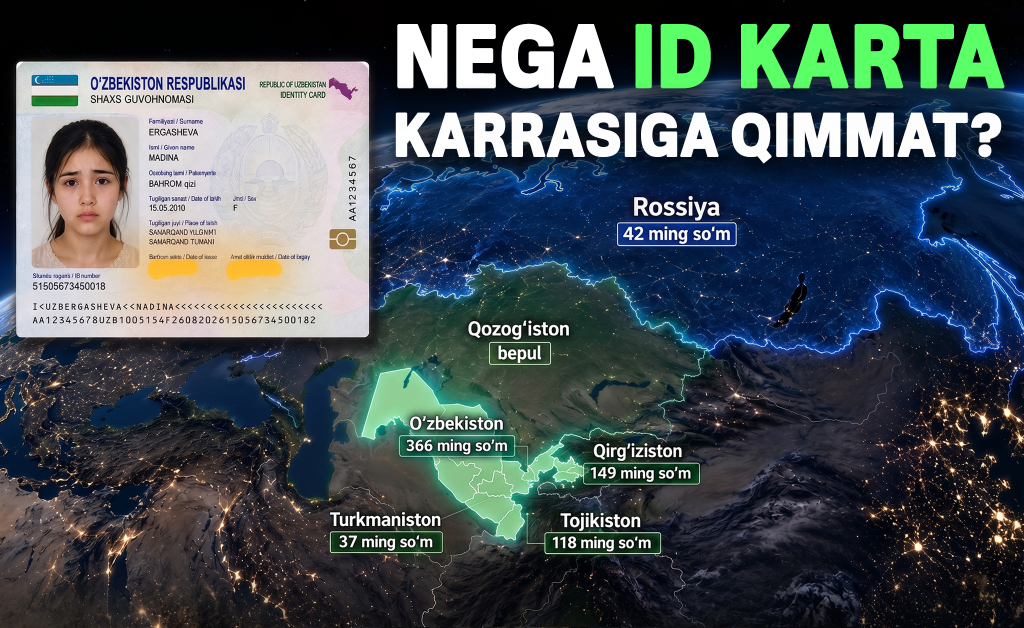
A debate over the cost of a first ID card in Uzbekistan is focusing attention on affordability, digital access and how regional peers price core identity documents.

A debate over the cost of a first ID card in Uzbekistan is focusing attention on affordability, digital access and how regional peers price core identity documents.

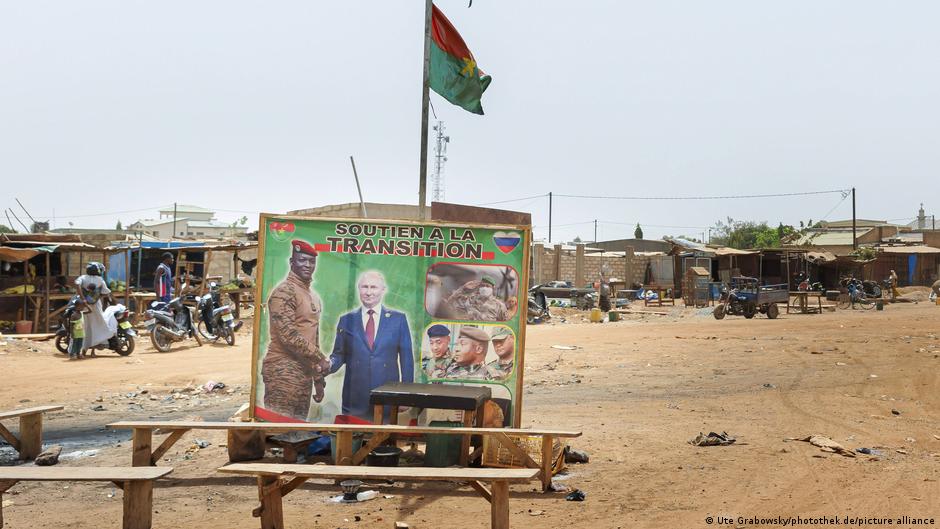
Russia has established a covert aviation network to supply its military in Africa, bypassing Western sanctions via complex logistics involving military and private carriers.

US-Iran conflict over the Strait of Hormuz threatens oil trade routes and digital payment systems, with Oman caught in diplomatic crossfire amid escalating military tensions.

Jared Kushner’s talks with Hamas leaders highlight how Middle East geopolitical tensions affect fintech, digital banking, and cybersecurity amid ongoing Gaza conflict.

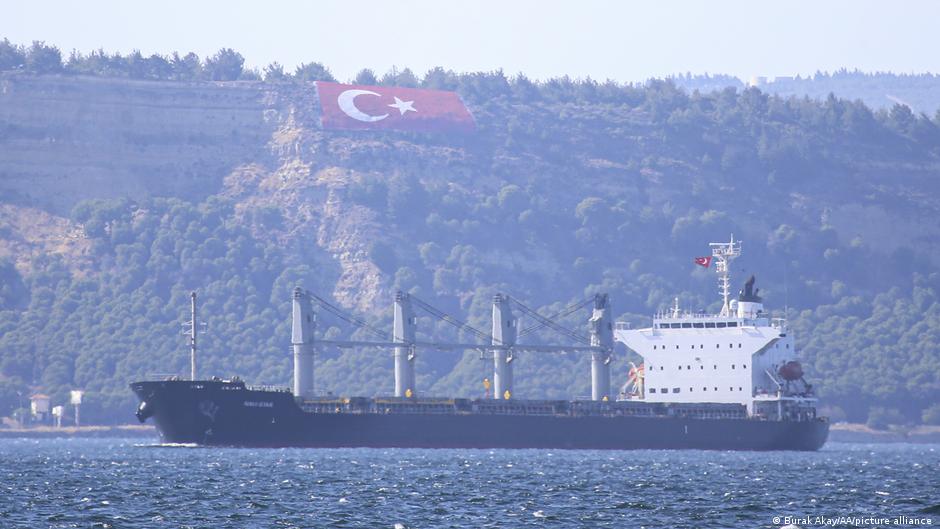
Turkey resumed commercial ship transit through the Dardanelles after restrictions linked to Black Sea conflicts disrupted key maritime trade routes impacting regional and global commerce.

NATO considers deploying tactical nuclear weapons in Finland, Poland, and Lithuania, raising security and digital economy concerns amid Russian threats.

The US announces a historic agreement with Hamas for full disarmament, marking a key step toward peace and potential growth in the region's digital economy and fintech sectors.
Montenegro will end visa-free entry for Russian and Belarusian citizens after October 2026, impacting fintech, digital payments, and cross-border economic ties amid EU integration efforts.

Latvian President Edgars Rinkēvičs urges NATO to prepare for possible escalation with Russia, highlighting the need for stronger military capabilities and US partnership.

Two German brothers admitted to violating EU sanctions by sending machinery parts to Russia via shell companies in Kyrgyzstan and Turkey, avoiding detection through complex supply chains.

Poland deported 11 individuals linked to Russia-funded protests aimed at influencing Ukrainian refugee communities, highlighting risks in digital payment systems used in geopolitical campaigns.

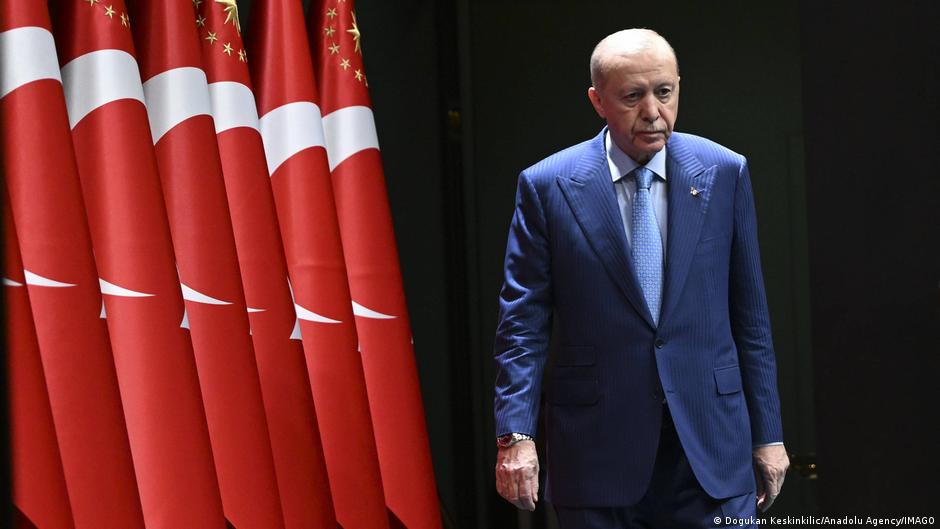
Germany urges Turkey to exclude Russian gas in future EU energy deals, impacting fintech and digital payments as Turkey aims to become a regional gas hub.

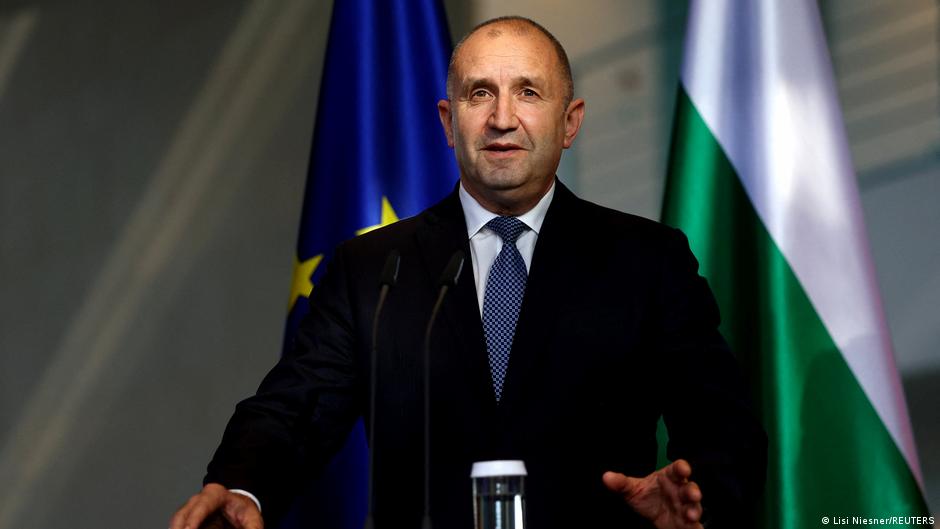
Bulgaria plans to veto new EU sanctions on Russia due to economic risks and opposition to sanctions against Patriarch Kirill, raising concerns about energy and supply chain impacts.

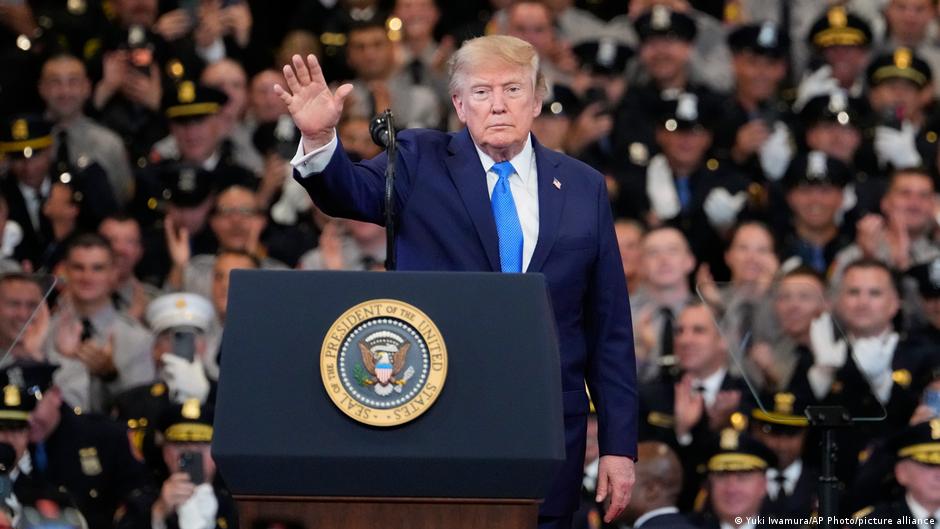
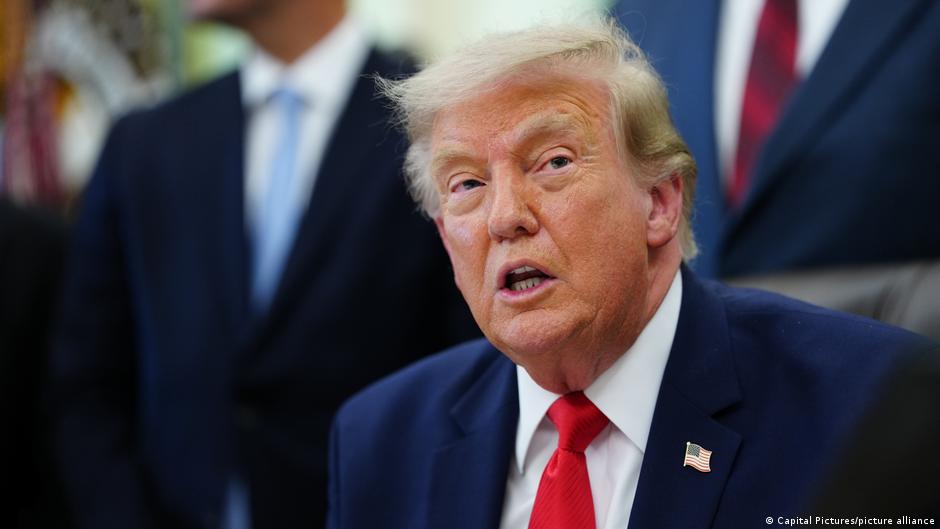
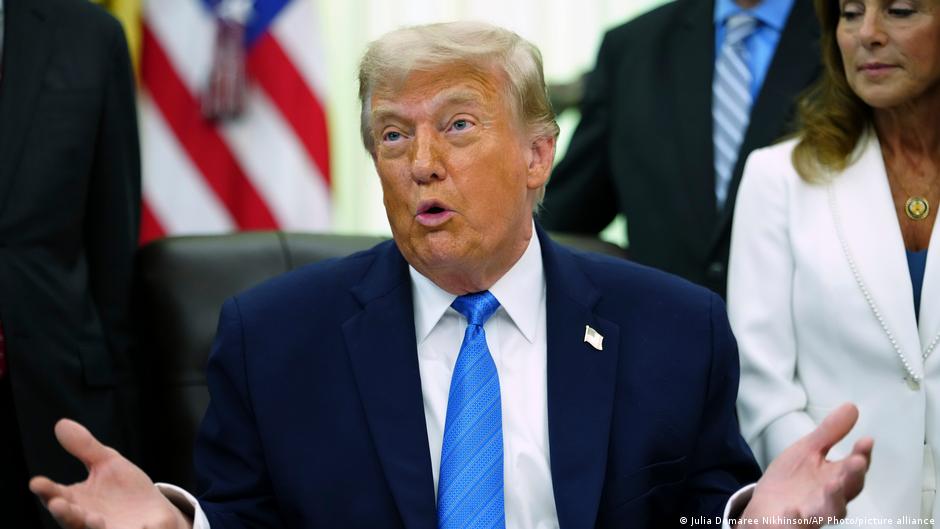
Trump cancels planned US strikes on Iran amid diplomatic progress, impacting energy flows, cybersecurity risks, and fintech markets in the Middle East.

EU and US condemn Israeli minister's video humiliating detained Gaza flotilla activists, raising ethical and diplomatic concerns over digital media use in conflict.

Serbia hosts its first joint military exercises with NATO, balancing military neutrality and increasing cooperation with implications for cybersecurity and fintech sectors.

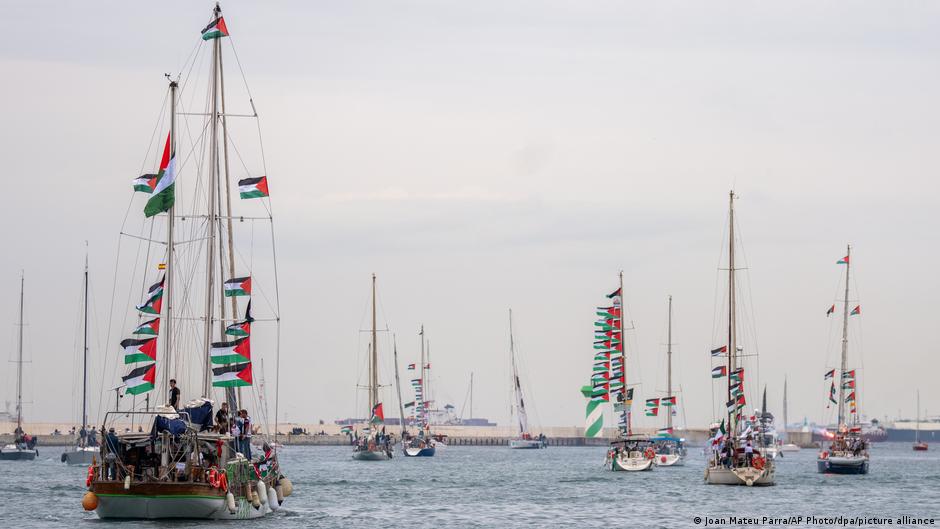
Italy and Germany call for adherence to international law after Israel intercepts a humanitarian flotilla bound for Gaza, highlighting challenges in aid delivery and digital economy impacts.

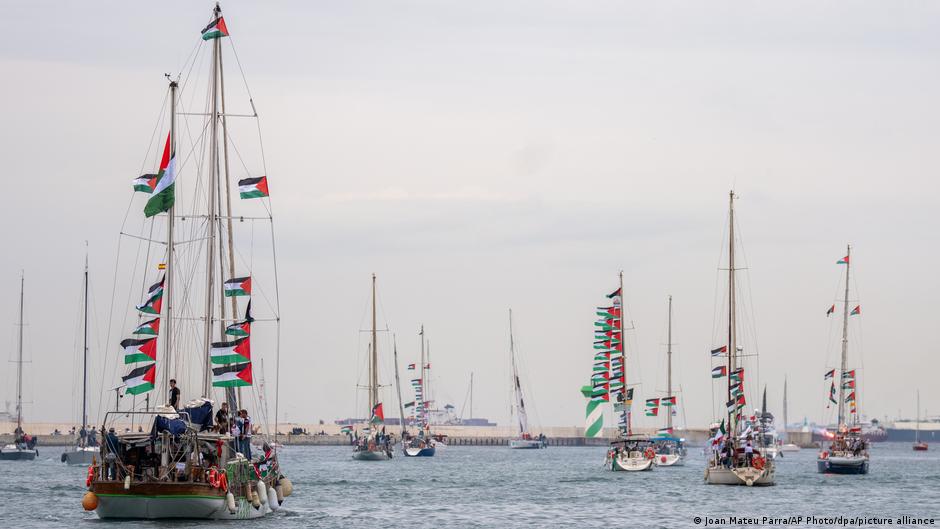
Israel detains humanitarian aid ships to Gaza, revealing digital communication disruptions and prompting fintech and cybersecurity concerns amid maritime blockades.

Turkey intensifies efforts to restart Russia-Ukraine peace talks, aiming to mitigate regional conflicts impacting fintech, digital banking, and cybersecurity.

Tencent and Kaspi.kz management acquire 6 million shares, marking strategic fintech investment and strengthening Kaspi.kz's position in digital payments and super app services.