US-Iran De-escalation Signals Potential Impact on Middle East Energy and Tech Markets
Trump cancels planned strikes on Iran amid progress in talks, raising implications for oil flows, cybersecurity, and regional digital economies.
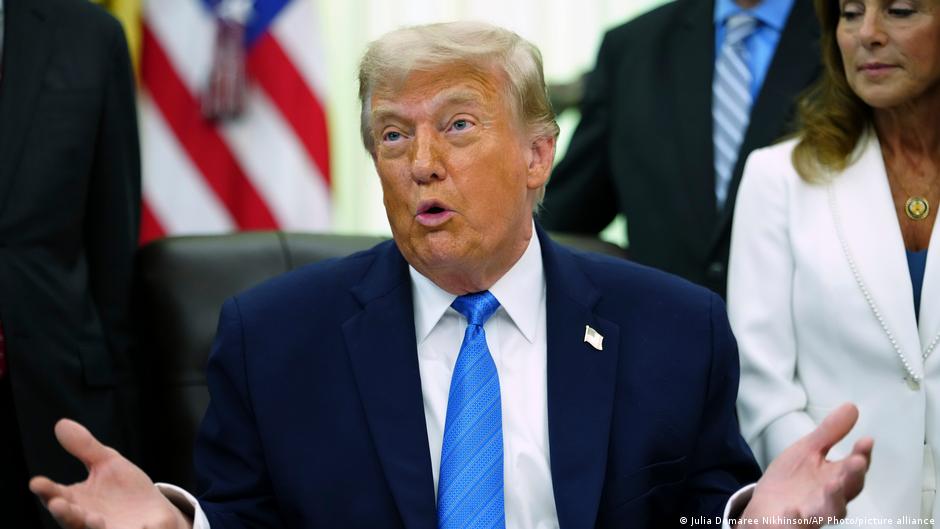
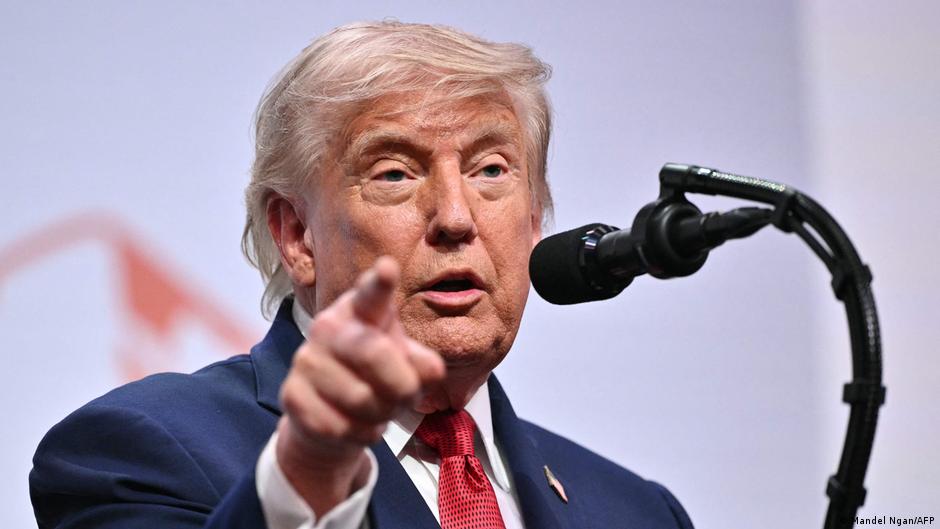
US President Donald Trump announced the cancellation of planned military strikes against Iran following promising negotiations with Iranian leadership, signaling a potential de-escalation of tensions in the Middle East. This development bears significant consequences for global energy markets, digital infrastructure security, and regional fintech ecosystems.
Geopolitical Shift Affects Energy Flows and Digital Economy Stability
After engaging with Iran’s supreme leadership, President Trump declared on social media that military action scheduled for June 11 would be called off due to progress in diplomatic talks. He asserted that final agreement terms had also been approved by key regional stakeholders including Israel, Saudi Arabia, the UAE, Qatar, Turkey, Pakistan, Bahrain, Kuwait, Jordan, and Egypt.
Trump highlighted that although a naval blockade would remain until the deal’s completion, the reopening of the strategically vital Strait of Hormuz—through which a substantial portion of global oil exports transit—would resume once the agreement is signed. This move could stabilize oil prices and reduce volatility in energy markets, a factor eagerly monitored by fintech and investment sectors.
“The deal will ensure Iran never attains nuclear weapons and the Strait of Hormuz reopens, promising renewed stability for regional energy and trade routes,” Trump said.
While the signing is expected imminently, potentially in Europe during the weekend, Trump noted he would not attend personally due to his upcoming 80th birthday, delegating Vice President J.D. Vance to represent the US.
However, Iranian authorities have yet to finalize their acceptance. The Iranian Foreign Ministry’s spokesperson emphasized the absence of a definitive decision on the agreement from Tehran, underscoring the fragile nature of the situation.
Cybersecurity and Digital Banking Challenges Amid Regional Tensions
Recent military escalations included US airstrikes against Iranian targets and reciprocal Iranian missile attacks on US bases in the Gulf region. These exchanges have heightened concerns about cybersecurity risks, given previous state-sponsored cyberattacks linked to Iranian actors targeting financial institutions and critical infrastructure.
Intensified tensions historically correlate with spikes in cyber threats against both regional and global fintech platforms, digital banking services, and energy infrastructure systems. The potential for disruption in digital payments and cross-border transactions is significant, emphasizing the need for robust cybersecurity protocols among financial technology firms operating in or connected to the Middle East.
Moreover, the closure of the Strait of Hormuz by Iranian military command poses threats not only to physical oil shipments but also to the operational continuity of digital trade financing and commodity-backed cryptocurrencies designed to facilitate cross-border commerce in volatile regions.
As regional stability remains in flux, tech stock markets specializing in cybersecurity software, blockchain solutions, and energy sector digitization are likely to experience increased investor attention. The prospect of a peaceful agreement could reduce systemic risks and enhance confidence in fintech innovations tailored to the Middle East.
In summary, while military confrontations between the US and Iran have temporarily subsided, the situation continues to present complex challenges and opportunities for the fintech and digital economy sectors. Market participants and policymakers alike must monitor diplomatic progress closely, as outcomes will directly influence energy supply chains, cybersecurity landscapes, and the future of digital finance in a geopolitically sensitive region.