US Introduces Permanent Visa Bond Requirement for Citizens of 50 Countries, Excluding Russia
The US State Department mandates up to $20,000 visa bonds for nationals from 50 countries to curb visa misuse and overstay risks.
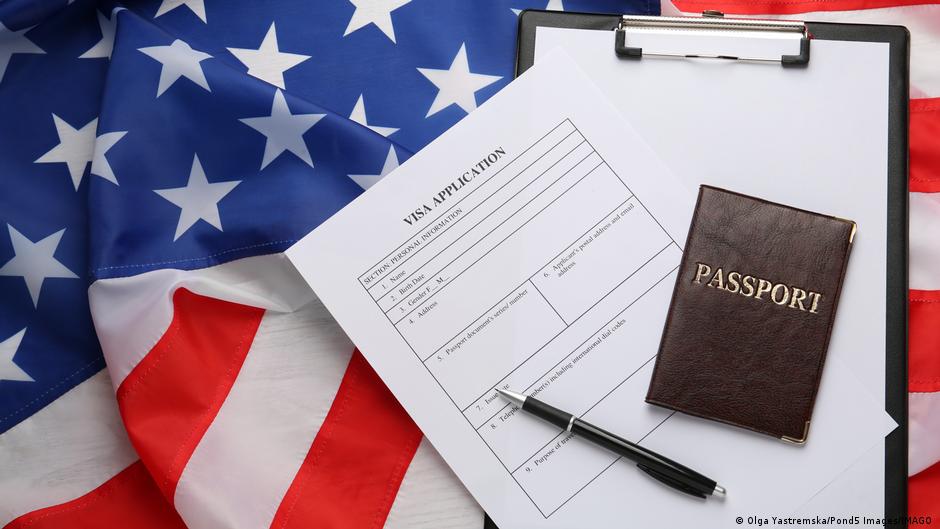
Starting August 3, the United States will implement a permanent visa bond program requiring certain foreign nationals to post up to $20,000 when applying for business and tourist visas (B-1/B-2). This measure, announced by the US State Department on July 31, targets citizens from 50 countries, including Georgia, Kyrgyzstan, Tajikistan, and Turkmenistan, but notably excludes Russia.
Visa Bond Program Aims to Mitigate Overstays and Improve Border Security
The visa bond system was previously tested in a pilot phase with bond amounts ranging from $5,000 to $15,000 depending on applicants’ circumstances. With its permanent adoption, the minimum bond threshold is removed, and the maximum bond amount is raised to $20,000. Consular officers will determine the exact bond required on a case-by-case basis.
The State Department clarified that the bond will be refunded if the visa holder complies with the entry and exit regulations, refrains from using the visa improperly, or is refused entry into the US. Conversely, the bond will be forfeited if the individual violates visa conditions, such as overstaying.
"This measure is essential to reduce the misuse of visas and instances of overstaying," the State Department stated.
Countries included in the bond program span regions in Africa, Southeast Asia, and Latin America, with Algeria, Angola, Bangladesh, Cambodia, Central African Republic, Mongolia, Nepal, Nicaragua, Tunisia, Uganda, Venezuela, Zimbabwe among others. The selection is based on higher incidences of visa violations and overstays by nationals of these countries.
According to data reported by the Associated Press, in the fiscal year 2024, nearly 45,500 cases of visa overstays were recorded among citizens of these listed countries. During the 10-month pilot period, however, fewer than 50 such violations were detected, accompanied by an 83% drop in visa issuances to these nationals.
Implications for Fintech, Digital Payments, and Cross-Border Travel
The implementation of high-value visa bonds introduces a significant financial barrier that will likely impact international travel patterns and cross-border mobility, with potential ripple effects on fintech platforms facilitating global payments and remittances.
Visa applicants from affected countries must now navigate the complexities of submitting substantial bond payments, which may accelerate demand for secure digital payment channels and escrow services integrated with consular processing systems.
Moreover, the policy could incentivize financial institutions and payment providers to innovate solutions to streamline bond transactions, ensuring compliance while enhancing user experience.
From a cybersecurity perspective, consular services must safeguard bond transaction systems from fraud and cyberattacks, highlighting the growing intersection of immigration policy with digital security infrastructure.
Market watchers in digital banking and fintech should monitor how this new bond requirement influences cross-border payment volumes, the adoption of digital identity verification, and the potential for emerging tech firms to address compliance needs in this evolving regulatory environment.