US-Iran Negotiations Resume Amid Tensions: Implications for Digital Economy and Cybersecurity
New diplomatic talks between Washington and Tehran begin August 3 as military strikes are deferred, raising concerns for fintech and cybersecurity sectors.
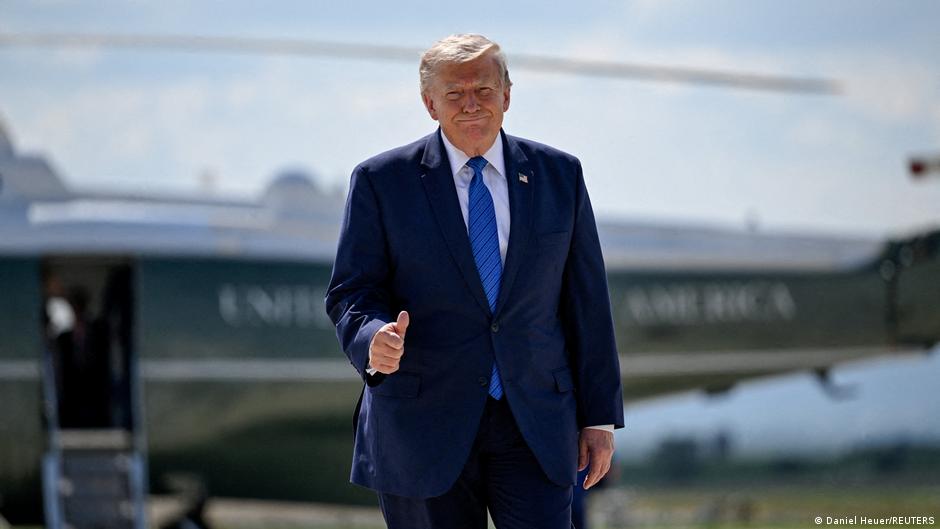
US President Donald Trump announced a new round of negotiations between Washington and Tehran set to begin on Monday, August 3. This development follows a recent decision by the White House to postpone further military strikes against Iran, citing agreed terms within a potential deal.
Speaking aboard Air Force One, President Trump explained that the administration opted to hold off on additional attacks to prioritize a diplomatic resolution to ongoing tensions. “This will save many lives,” he remarked, suggesting that the prospective agreement may address critical issues including the strategic Strait of Hormuz and Iran’s nuclear program.
Impact on Fintech, Digital Infrastructure, and Cybersecurity
The resumption of US-Iran talks carries significant implications for the fintech and digital economy sectors, especially in regions dependent on stable geopolitical climates for digital banking and payment innovations.
The Strait of Hormuz is a vital maritime chokepoint for global oil shipments, but it also underpins regional digital infrastructure. Heightened conflict risks disruption of internet cables, satellite links, and financial transaction networks across the Middle East. Such instability could increase transactional latency, elevate cybersecurity risks, and impact blockchain asset flows.
“The potential for renewed hostilities risks not only physical infrastructure but also the cybersecurity posture of critical financial services in the region,” says industry analysts.
Moreover, sanctions regimes and military escalations typically trigger tighter controls on digital payments and crypto assets, complicating compliance for fintech firms. Uncertainties around sanctions enforcement affect cross-border remittances and the adoption of blockchain-based financial services.
President Trump emphasized a preference for diplomatic solutions over military action, stating, “I would rather make a deal. I don’t like killing people.” He also cautioned that the US maintains the option to resume strikes if deemed necessary, underscoring the fragile nature of the current détente.
Previously, the US and Israel postponed planned attacks on Iran following requests from Tehran and other Middle Eastern nations. The White House had prepared for a military response of unprecedented scale, described by Trump as the most powerful since World War II. However, this was shelved “for the future good of the world” given the parameters of a negotiated settlement were reportedly agreed upon.
Since June 2026, Washington and Tehran have engaged under a "memorandum of understanding" that paused hostilities for 60 days to facilitate peace dialogues. Despite this, the US accused Iran of violating the ceasefire, leading to resumed strikes.
On July 30, US forces launched targeted attacks on multiple sites associated with Iran’s Islamic Revolutionary Guard Corps (IRGC), including command centers and missile and drone launch facilities. Iranian state media reported collateral damage in a residential area on Qeshm Island, resulting in three civilian fatalities.
As the geopolitical landscape evolves, fintech companies, digital banks, and cybersecurity firms should closely monitor developments. The stability of payment networks, crypto asset flows, and digital service continuity in the Middle East remain vulnerable amid the fluctuating US-Iran relations.