German Youth Protests Disrupt City Centers and Retail Operations
Unrest across major German cities exposed physical-security risks for retailers, payment networks and digitally connected urban businesses.
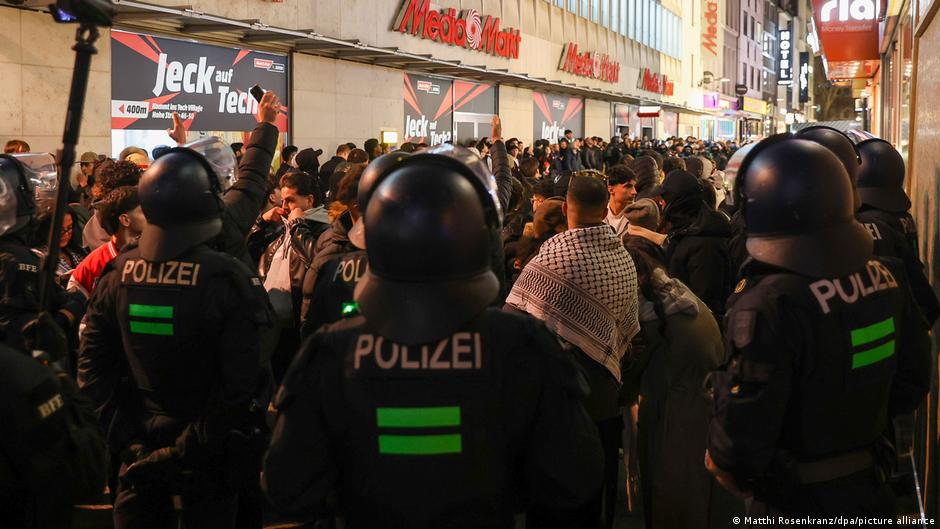
Youth demonstrations across Germany’s largest cities escalated into disorder on Saturday evening, October 31, disrupting commercial districts and highlighting the operational risks that civil unrest can pose to retailers, payment infrastructure and digitally connected urban businesses.
The protests were organized by the Gen-Z regelt movement, whose name translates as “Generation Z Decides.” Organizers said demonstrations took place in more than 30 German cities and attracted over 100,000 participants. Protesters demanded improvements in education, action against the rising cost of living, stronger climate protection, easier access to psychotherapy and addiction treatment, and opposed mandatory military service and cuts in social spending.
Although the movement’s demands were largely social and political, the most serious incidents unfolded in city-center shopping areas. For merchants and financial-service providers, damage to stores, restricted access and emergency closures can interrupt card acceptance, cash handling, deliveries and other services that depend on secure physical locations and reliable digital connections.
Frankfurt unrest targets retail premises
In Frankfurt am Main, a demonstration involving between 8,000 and 9,000 people began peacefully before descending into looting and attacks on police. Some participants smashed shop windows, while Molotov cocktails were thrown at officers.
A group of aggressive protesters entered a gun shop as well as a Snipes clothing and sneaker store. Authorities confiscated two weapons from those who attacked the gun retailer. The breach of commercial premises added a direct security dimension to unrest in one of Germany’s most important urban business centers.
Hesse Interior Minister Roman Poseck said approximately 100 violence-prone left-wing extremists had infiltrated the demonstration. Police checked the identification documents of roughly the same number of people, while more than 30 were detained.
Authorities brought the disorder under control closer to midnight, deploying water cannon, armored police vehicles, a helicopter and drones. Police also closed part of the city center. The response demonstrated the growing role of surveillance and remotely operated technology in managing large-scale urban incidents, while the restrictions created immediate access problems for businesses operating inside the cordoned area.
“Those who behave like the offenders in central Frankfurt place themselves outside our society,” Hesse Premier Boris Rhein said.
Rhein said authorities would carefully analyze the aggressors’ actions, the composition of the offending groups and the sequence of events before drawing conclusions.
Arrests in Berlin and restrictions in Cologne
In Berlin, one of two major demonstrations escalated into disorder. The rally drew around 3,500 people, mainly members of far-left groups. Some demonstrators threw firecrackers and bottles toward police and launched fireworks. Police also reported property damage and violations of weapons legislation.
Officers detained 56 people, while 27 police personnel suffered minor injuries. Property damage and crowd-control measures in dense commercial areas can affect businesses beyond the immediate targets, including digital banks and payment companies whose customers may face interrupted access to merchants, transport or cash services.
In Cologne, police prohibited protesters from holding a march and permitted only a stationary gathering. Authorities cited masks worn by some demonstrators and the use of pyrotechnics, including items thrown at officers. Police used water cannon at the end of the event.
Disorder was also reported in Hamburg, where some protesters constructed and set fire to barricades and threw bottles and stones at police. Demonstrations ended in similar fashion in Stuttgart and Bremen.
European unrest adds to business-continuity concerns
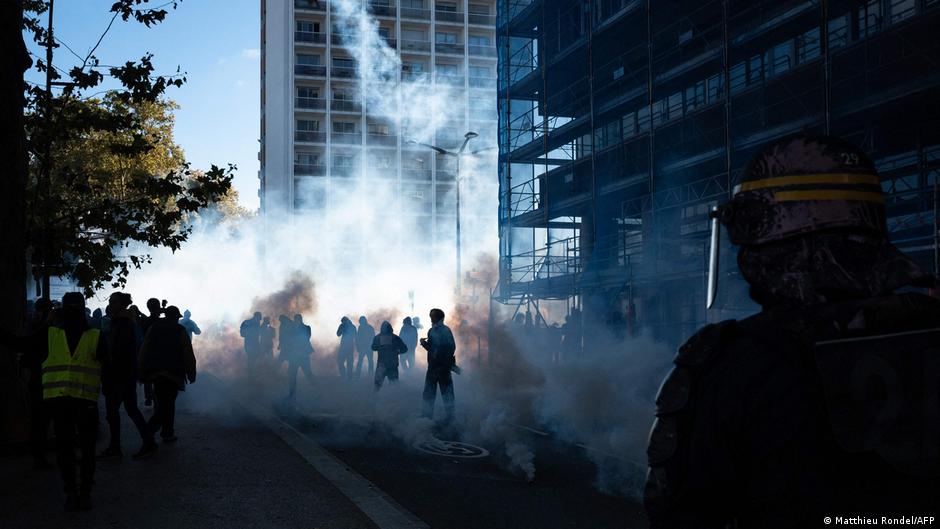
The German protests formed part of a broader wave of youth demonstrations across Europe in recent weeks. In France, protests in several cities also developed into rioting and clashes with police, while demonstrations have taken place in Belgium.
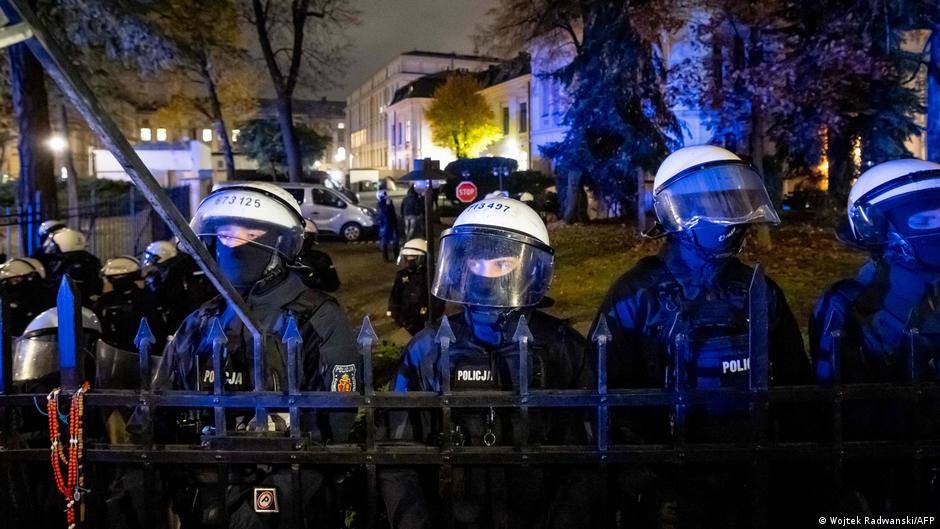
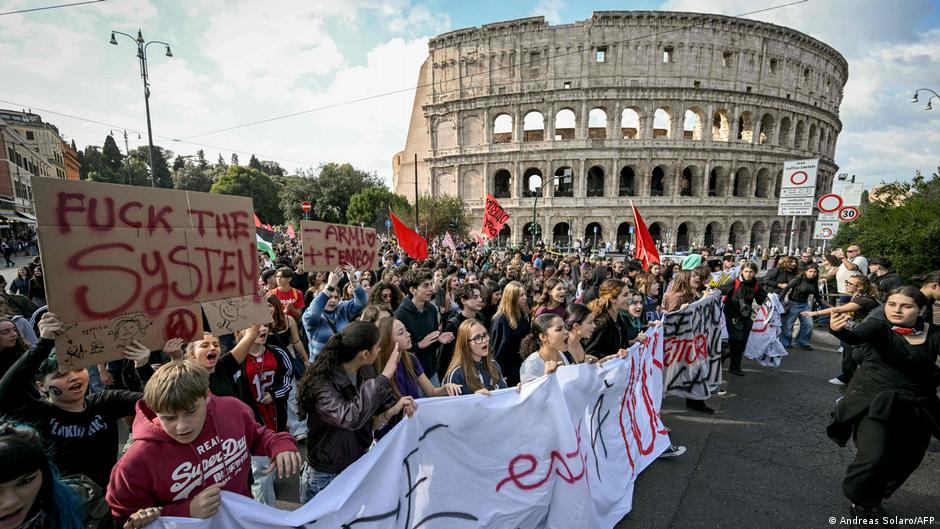
Italy has faced a similarly difficult situation. Organizers said more than one million people joined protests there on October 30. Following severe rioting in Milan, Italian authorities previously ordered the deployment of 500 military personnel to maintain public order.
For the digital economy, such unrest underscores the link between online financial services and physical infrastructure. Mobile banking and digital payments may allow some transactions to continue when branches or shops are inaccessible, but merchants still depend on functioning terminals, communications networks, logistics and secure premises. Physical attacks on stores can also create cybersecurity and fraud risks if devices, customer records or connected systems are damaged or compromised.
The events therefore present a wider resilience test for retailers, banks, payment processors and technology companies serving European cities. Even when financial networks remain online, restrictions on movement, damaged outlets and emergency policing can reduce transaction activity and force businesses to activate contingency plans. The scale of the demonstrations across Germany and neighboring countries makes operational continuity, physical security and protection of connected devices increasingly relevant considerations for the region’s digital-finance sector.