Founder of Gulagu.net Halts Project Citing Global Crisis and Security Threats
Human rights activist Vladimir Osechkin suspends Gulagu.net amid growing risks and legal pressures in Russia and abroad.
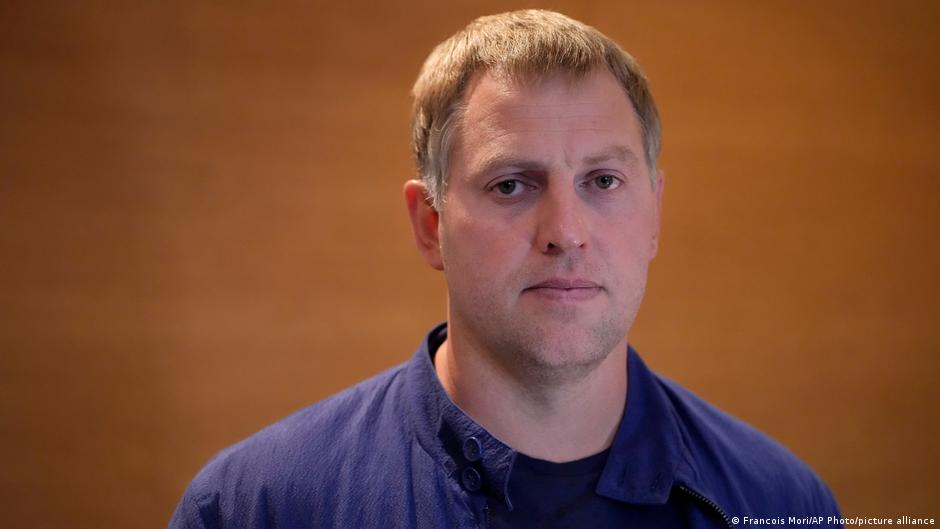
Vladimir Osechkin, the founder of the human rights project Gulagu.net, announced on July 20 the suspension of the initiative that documents abuses and helps prisoners in Russian penal colonies. In an interview published by German broadcaster n-tv on August 2, Osechkin detailed the reasons behind this difficult decision, highlighting a worsening global crisis and heightened personal security threats.
Growing Risks Amid Shrinking Human Rights Space
Gulagu.net is widely recognized for exposing torture and other human rights violations within Russia’s prison system, often under opaque and hostile conditions. However, Osechkin described the current environment as a "global crisis" affecting all who oppose torture, violence, and war.
"International law is experiencing a crisis, and human rights have been pushed to the sidelines," Osechkin said. "News headlines focus on billionaires and celebrities while daily deaths have become normalized. In this situation, we have lost our footing."
The project has yet to receive any human rights awards, according to Osechkin, who criticized the preference for polished public figures over grassroots activists exposing harsh realities. He recounted how some opposition figures were placed in better conditions before prisoner exchanges, creating a misleading positive image while other detainees continued to suffer severe abuses.
Osechkin himself survived detention from 2007 to 2010 and recalls leaving prison physically damaged, stating, "I came out bald and without teeth." Even in exile, he fears for his life—an ongoing reality for activists documenting military crimes and smuggling out key witnesses from the Ministry of Defense and prison systems.
Security Threats and International Implications
The activist revealed that four Russian agents were arrested in October 2025 in connection with plots to assassinate him, investigated by France’s anti-terrorist prosecutor. An additional agent was detained near his home in May 2026. His family members and team remain under police protection. Analysts reportedly consider him the primary target for Russian security services in Europe following the imprisonment of Alexei Navalny.
Osechkin also anticipates a likely new mobilization effort in Russia this autumn, noting the introduction of harsh laws enabling immediate passport revocation, driver's license suspension, and seizure of assets. Meanwhile, he observes that the United States has closed its borders and Europe is erecting fences, with visas becoming increasingly difficult to obtain—factors that exacerbate risks for exiled dissidents.
Intersection with Digital Security and Information Controls
Osechkin’s experience underscores the profound challenges faced by digital projects operating in hostile environments, particularly those involving sensitive data on human rights abuses and military misconduct. The risks to information security and the safety of contributors highlight the need for robust cybersecurity measures within the human rights and digital advocacy sectors.
Since 2015, Osechkin has lived in exile in France after refusing to hand over Gulagu.net’s data to the Russian Federal Security Service (FSB). He remains wanted in Russia on charges including fraud and dissemination of "fake" information about the Russian armed forces, with several collaborators imprisoned for their association with Gulagu.net. The legal and physical threats demonstrate how authoritarian regimes use digital surveillance, legal persecution, and targeted violence to silence dissent and control narratives.
Osechkin’s situation also reflects broader implications for fintech and digital economies concerning data privacy, cross-border information flows, and the protection of vulnerable stakeholders in politically charged contexts.
As digital platforms play a growing role in exposing abuses and facilitating activism, their operators must navigate complex geopolitical risks while leveraging technology to safeguard human rights.