Water Reservoir Damage in Belgorod Raises Concerns Over Infrastructure Cybersecurity
Uncontrolled water releases following attacks on Belgorod reservoir highlight vulnerabilities in critical infrastructure protection.
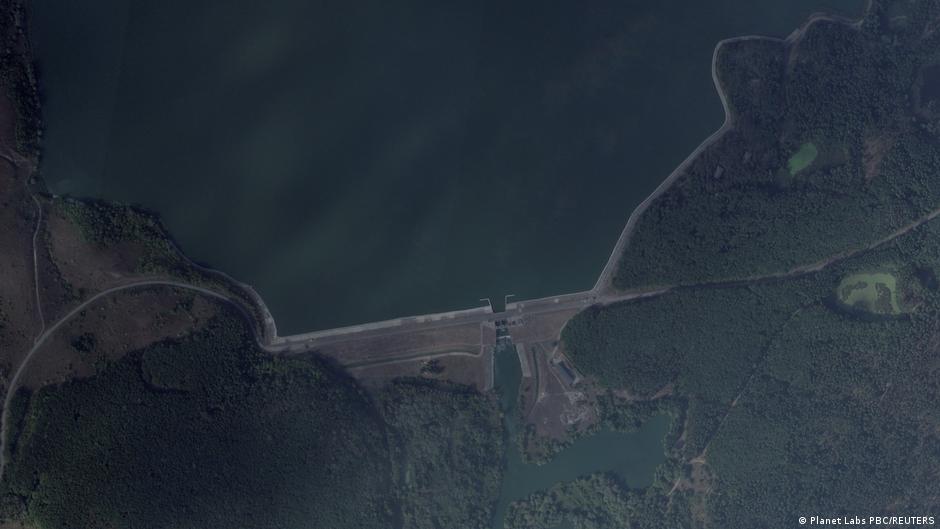
Following multiple strikes on the Belgorod reservoir dam in July 2026, the water level has drastically fallen due to an uncontrolled water discharge. Eyewitnesses report water depths ranging between 10 and 40 centimeters, signaling a significant reduction from normal levels.
The attacks, attributed to Ukrainian forces, targeted the dam near the villages of Bezlyudovka and Grafovka in the Shebekinsky district. Following these strikes, an urgent and unregulated release of water was initiated, causing the reservoir to recede to the historic course of the Seversky Donets River.
Implications for Digital Infrastructure and Security
These recent events underscore the growing risks to critical infrastructure, including water management systems, that increasingly rely on digital controls and cybersecurity frameworks. The use of advanced weaponry such as missiles and drones to disrupt hydraulic facilities points to a new dimension of hybrid warfare, where physical infrastructure and digital systems are both targeted.
“Effective cybersecurity and resilient digital infrastructure are paramount to prevent such disruptions from escalating into broader crises in utility services and regional stability,” noted experts in infrastructure security.
Local authorities succeeded in halting the uncontrolled water discharge, but the episode has exposed vulnerabilities in the reservoir’s management systems. The damage is not just environmental but also economic, as decreased water availability affects agricultural operations and energy production reliant on hydroelectric facilities.
Moreover, the repeated attacks since October 2025 have raised alarm bells in the fintech and digital economy sectors, where water resource management increasingly incorporates digital monitoring and automated control technologies. The risk of cyber-physical attacks jeopardizes payment systems related to water utilities and can ripple through local economies dependent on stable resource supplies.
Investors and tech companies focusing on cybersecurity solutions for critical infrastructure are likely to see increased demand, while regional water management authorities must accelerate the implementation of robust digital defenses. The situation illustrates the intersection of geopolitical conflicts with the vulnerabilities of digital and automated infrastructure in the modern economy.