Latvian President Warns NATO to Prepare for Possible Escalation with Russia Amid Defense Spending Concerns
Edgars Rinkēvičs emphasizes need for enhanced military capabilities and transatlantic partnership ahead of NATO summit.
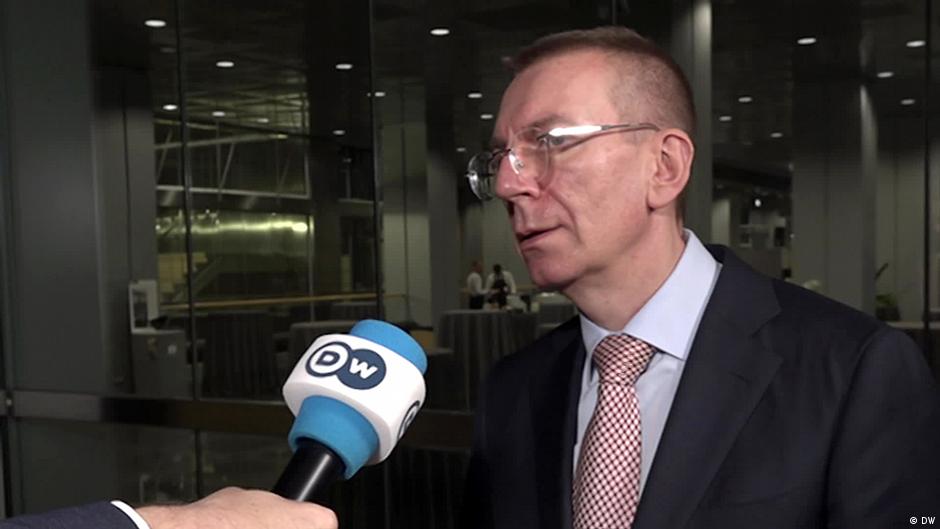
Latvian President Edgars Rinkēvičs has signaled that NATO must brace for a possible escalation in hostilities with Russia, including the prospect of direct confrontation. In an interview on July 3, ahead of the forthcoming NATO summit in Ankara, Rinkēvičs highlighted concerns over insufficient European defense capabilities despite recent increases in military spending.
Challenges in European Defense Readiness
Rinkēvičs pointed out that although NATO members agreed last year to raise defense expenditures to 5% of GDP, this target alone falls short of ensuring adequate military strength. "The problem is not just funding but the actual military capabilities—armaments, missiles, and technology—that can be acquired with those funds," he remarked.
"Money is very important, but having the right weapons and equipment is crucial to effective defense," Rinkēvičs stated.
The Latvian president stressed the importance of sending a clear signal to Moscow that any Russian challenge to NATO would provoke a proportional alliance response. He also reaffirmed the indispensable role of the United States as a defense partner for Europe, regardless of varying political rhetoric among European leaders.
Geopolitical Context and Security Implications for the Baltic Region
Rinkēvičs underscored that peace in Ukraine cannot be achieved without active European involvement, tying Latvia's EU membership to its broader security strategy. His comments came during a visit to Berlin with Estonian Prime Minister Kaja Kallas and Lithuanian President Gitanas Nausėda, where they met with German Chancellor Friedrich Merz. Merz emphasized that "the security of the Baltics is also Germany's security," signaling solidarity among NATO allies.
This warning comes amid heightened tensions as NATO prepares for its summit in Turkey, where member states will discuss strategic responses to the ongoing conflict in Eastern Europe. The focus on defense readiness has implications for the digital economy as well, with cybersecurity and defense technology investments expected to rise. Enhanced military cooperation may accelerate digital innovations in secure communications, intelligence sharing, and defense infrastructure resilience.
For the fintech and digital economy sectors, the geopolitical uncertainties underscore the critical role of cybersecurity in protecting financial networks and digital banking platforms. Increased defense collaboration could bolster technology development that benefits not only military applications but also civilian digital infrastructure, impacting sectors from payments to crypto security.
As NATO members grapple with balancing defense spending and capability development, tech stocks related to defense and cybersecurity may experience increased investor interest, reflecting the strategic imperatives outlined by leaders like Rinkēvičs.