Russian Military Strikes on Sumy Raise Concerns over Digital Infrastructure and Economic Stability
Massive drone and air strikes in Sumy disrupt civilian life and pose risks to the region's fintech and digital economy sectors.
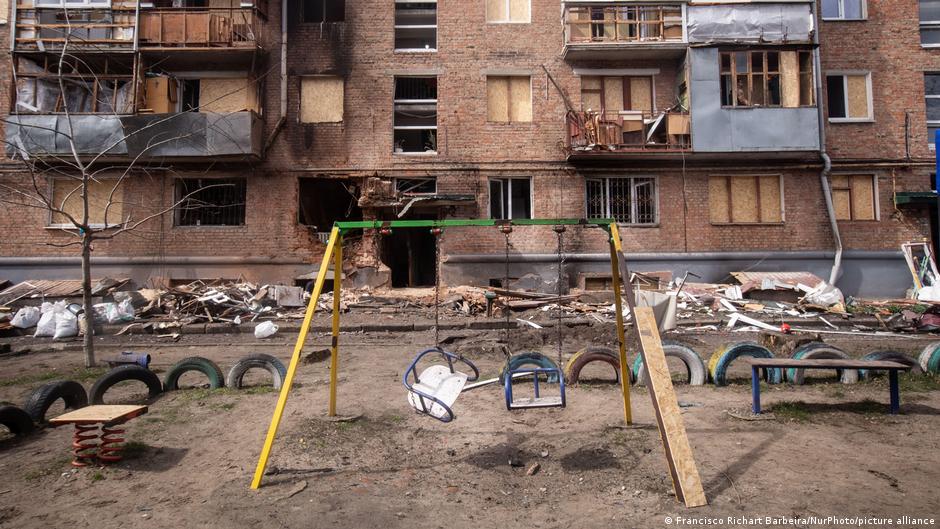
On the evening of July 3, the Russian Armed Forces launched a series of intensive drone and air missile attacks targeting the city of Sumy. According to regional military administration reports, the strikes resulted in the deaths of four individuals and injuries to 27 others, including seven children.
The assault damaged multiple structures in central Sumy, including residential buildings, a multi-story apartment complex, a commercial store, and key roadways. One of the missiles struck the residential sector in the Kovpakivskyi district, an area frequented by civilians, intensifying the human toll and raising grave concerns about critical infrastructure safety.
Implications for Digital and Financial Infrastructure
While the immediate concern centers on the tragic human casualties—including a five-year-old girl and her mother—these attacks also threaten the region's economic stability and digital infrastructure. Sumy, like many Ukrainian cities, relies increasingly on fintech services, digital banking platforms, and electronic payments to sustain everyday commerce amidst the ongoing conflict.
Damage to communications lines, power grids, and physical infrastructure could disrupt digital payment systems, complicate transactions, and expose vulnerabilities in cybersecurity defenses. Such disruptions risk undermining public confidence in digital financial services, which have become essential for economic resilience in conflict zones.
Experts warn that repeated targeting of urban centers with drone and missile strikes may further strain Ukraine’s efforts to maintain secure and reliable digital financial networks. This could slow down technological adoption, hamper e-commerce growth, and adversely affect fintech startups and tech stocks linked to the regional market.
"The attacks not only cause tragic loss of life but also jeopardize the digital economy's backbone, risking long-term setbacks to fintech innovation and secure payment systems in the region," a cybersecurity analyst noted.
Similarly, on the same evening, the city of Zaporizhzhia also came under missile and drone attacks, targeting both residential areas and industrial enterprises. Two local residents died, and 21 others were injured. Such incidents underscore the persistent threat to Ukraine's economic hubs and their digital ecosystems.
As the conflict endures, safeguarding digital infrastructure and advancing cybersecurity measures remain critical priorities to protect financial services and maintain economic stability. Continuous monitoring and rapid response strategies will be essential to mitigate the impact of military actions on Ukraine’s burgeoning fintech environment.