Russia's Ongoing Strikes on Ukraine Raise Concerns for Digital Infrastructure and Economic Stability
Continued missile and drone attacks across multiple Ukrainian regions disrupt civilian life, with implications for fintech, digital services, and economic security.
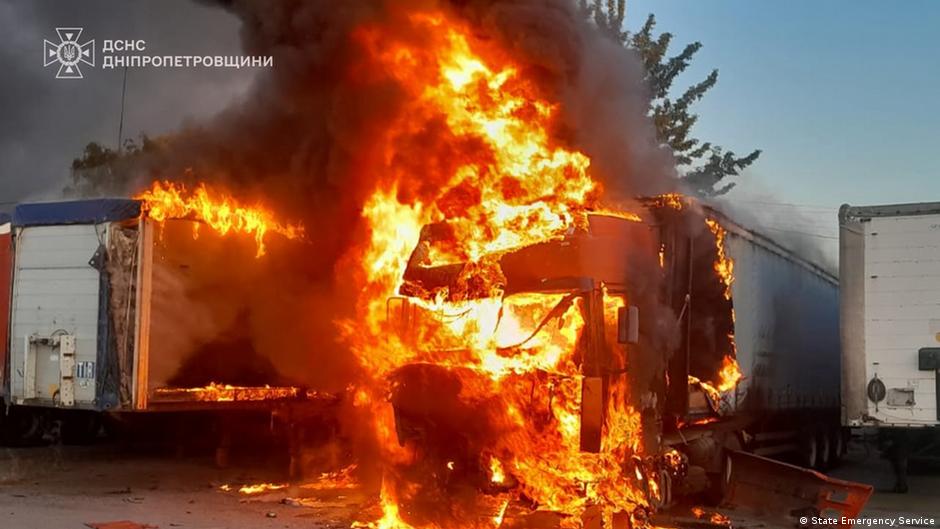
On July 2, Russia intensified its military campaign in Ukraine with daytime and evening strikes targeting several regions, following a devastating nighttime assault on Kyiv which marked the deadliest since the start of the conflict. These attacks have resulted in multiple casualties and raised concerns about the resilience of Ukraine's digital infrastructure amid ongoing hostilities.
Impact on Regional Stability and Digital Economy
The strikes targeted key oblasts including Kherson, Zaporizhzhia, Dnipropetrovsk, Mykolaiv, Kharkiv, Sumy, and Donetsk. The assaults involved a combination of drone attacks, artillery bombardments, aerial bombs, and missile launches, inflicting damage on civilian facilities, residential buildings, healthcare and educational institutions, and logistics infrastructure.
In Kherson, a drone attack on a civilian vehicle killed a 41-year-old man, and a medical facility strike resulted in the death of a 63-year-old doctor and injuries to a nurse. The region also witnessed attacks near the Kherson oil refinery complex, raising concerns about critical infrastructure vulnerability.
Zaporizhzhia saw attacks on a residential building, a warehouse of a retail outlet, a sorting center operated by Nova Poshta (a major Ukrainian postal and logistics company), and a sports complex. Seven people were injured, including children aged 6, 7, 12, and 16 years old. Damage to logistics hubs like Nova Poshta's sorting center highlights potential disruptions to supply chains and e-commerce operations dependent on digital and physical delivery networks.
Dnipropetrovsk experienced about 40 strikes involving drones, artillery, bombs, and rockets, resulting in two fatalities including a 7-year-old girl and injuring nine others including children. Infrastructure damage included multi-family housing, private residences, a gymnasium, and vehicles. Such widespread damage threatens to undermine the digital economy’s growth by affecting both consumer confidence and the operational capabilities of tech-driven businesses.
In Mykolaiv, drone Shahed attacks destroyed a gas station building and damaged private homes and vehicles, causing one death and injuring seven. Kharkiv was also hit, with a multi-story residential building damaged and three people injured. Infrastructure damage in urban centers poses risks to digital banking services and fintech operations that rely on stable power and communication networks.
The city of Sumy was struck by guided aerial bombs damaging a school and residential areas, with 11 people seeking medical help, including three children. Notably, postal workers were injured in a drone attack on a postal vehicle, further illustrating the risks to logistics and digital service delivery in conflict zones.
In Donetsk’s Kramatorsk, a drone strike on a vehicle caused injuries, emphasizing the persistent threat to civilian mobility and supply chain continuity.
“The repeated attacks on infrastructure underscore the vulnerabilities in Ukraine’s digital and economic frameworks, highlighting the crucial need for enhanced cybersecurity and contingency planning in the fintech and digital sectors,” experts note.
The ongoing conflict’s toll on physical infrastructure has cascading effects on Ukraine’s digital economy. Disrupted postal and logistics services impede e-commerce and fintech transactions, while damage to power and communication networks threatens the stability of digital banking and payment platforms. Moreover, increased cyber and physical security threats in these regions may deter investment in tech stocks and innovation sectors dependent on stable operational environments.
As the war continues, safeguarding Ukraine’s digital infrastructure and economic resilience remains imperative for maintaining essential services, consumer trust, and the broader digital transition vital for post-conflict recovery and growth.