Russia Allows Euro-3 Standard Fuel Circulation Until End of 2026 Amid Energy Crisis
The Russian government permits sale of higher-sulfur Euro-3 gasoline and diesel domestically to stabilize fuel supply, excluding EAEU export.
The Russian government has authorized the circulation of gasoline and diesel fuel conforming to the outdated Euro-3 environmental standard until the end of 2026. This regulation permits the use of fuels with significantly higher sulfur content than modern standards but restricts their export to other Eurasian Economic Union (EAEU) member countries.
The decision, formalized in a government decree signed by Prime Minister Mikhail Mishustin on July 2, revives fuel specifications that were last standard in Europe between 2000 and 2005. According to the Ministry of Energy, Euro-3 fuel contains up to 150 mg/kg of sulfur in gasoline and 350 mg/kg in diesel. In stark contrast, the contemporary Euro-5 standard limits sulfur content to just 10 mg/kg, representing a 15 to 35 times reduction.
Domestic Fuel Market Stabilization Amid Production Disruptions
The decree allows certain Russian oil refineries to produce and distribute Euro-3 standard fuels within the country as a "preventive measure" to avoid destabilizing the domestic energy market. However, fuels meeting this lower environmental standard will not receive the unified product circulation mark required for sale across the EAEU and are prohibited from distribution in other member states.
“The relaxation of fuel quality standards enables the use of crudes that do not require deep refining, allows production at facilities unable to meet higher standards, and significantly simplifies manufacturing processes,” explains Dmitry Prokofiev, Communications Director at consulting firm NEFT Research.
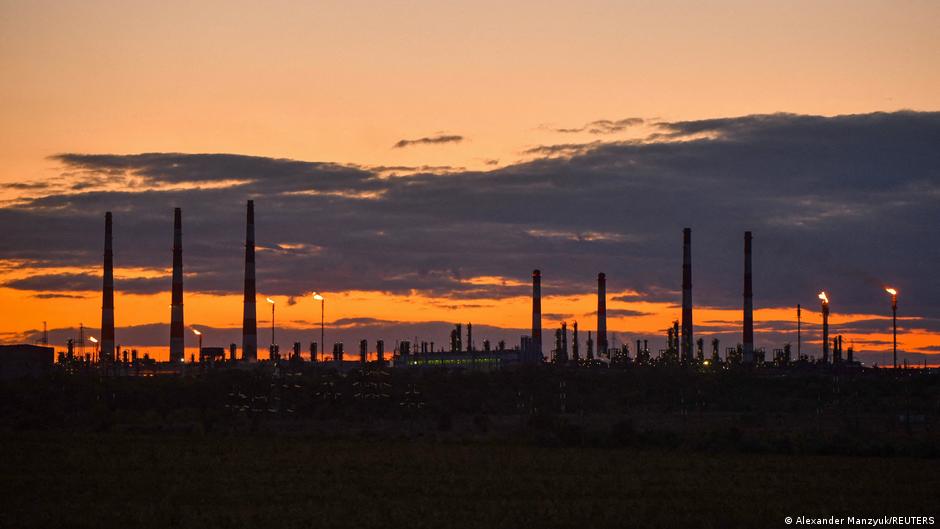
Prokofiev also cautions that while this move eases supply constraints, Euro-2 level fuels may pose safety risks for many modern vehicles. This comes against a backdrop of an ongoing fuel crisis in Russia triggered by repeated attacks on oil refineries and energy infrastructure by Ukrainian armed forces.
Notably, Moscow's Kapotnya refinery, which supplies about 40% of the capital's fuel, was struck twice in one week at the end of May and is expected to remain offline until late 2026 or early 2027. Consequently, gasoline production nationwide has fallen by approximately 25% year-on-year to 85,000 tonnes per day during the peak summer consumption period of 110,000 tonnes.
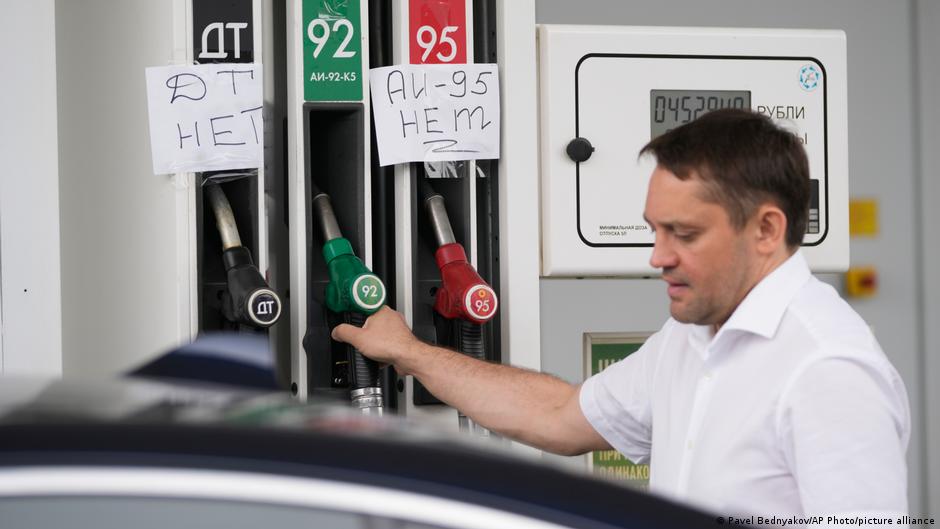
The fuel shortage has led to official sales restrictions in over 40 regions, including occupied Ukrainian territories, with reported supply issues in a total of 85 federal subjects. Reserve stocks have diminished by several hundred thousand tonnes in the past three months, according to analytics agency Kpler. Russian President Vladimir Putin has publicly acknowledged the deficit.
Earlier reports suggest that the government is considering extending authorization for the production and circulation of even lower-grade fuels, such as Euro-2 and Euro-4, until July 2027 and possibly lifting import restrictions on these grades. Notably, Euro-2 gasoline sales have been banned in Russia since 2013.
Implications for Digital Economy and Energy Sector Technologies
This regulatory relaxation has significant implications for the digital economy, particularly in the fintech and energy tech sectors. The fuel shortage and subsequent policy shifts increase volatility in energy commodity markets, impacting the valuation and risk profiles of energy-related stocks and ETFs.
From a payments perspective, increased fuel scarcity may accelerate the adoption of digital payment solutions and loyalty programs within fuel retail chains, while also driving demand for alternative mobility services powered by digital platforms.
Moreover, cybersecurity concerns may intensify as attackers could target critical energy infrastructure and related digital systems amid the crisis. This underscores the need for enhanced digital defenses and investment in cybersecurity technologies within the energy sector.
Finally, these developments may influence blockchain-based tracking and certification systems for fuel quality and provenance, as regulatory divergence between domestic and EAEU standards complicates cross-border energy trade compliance.