Russian Drone and Missile Strikes in Ukraine Decrease in June Amid Strategic Shifts
Data shows a 29% drop in drone strikes and 15% decline in missile attacks by Russia in June compared to May, with implications for military and industrial sectors.
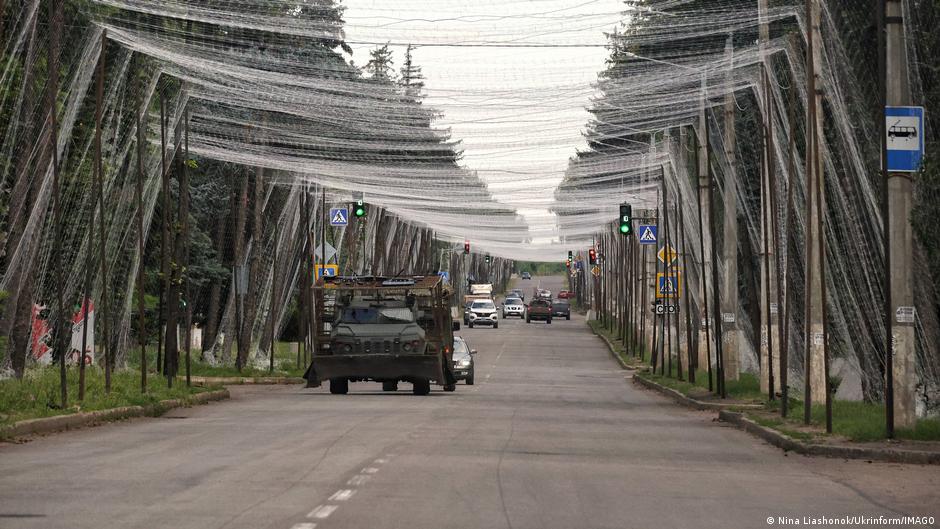
In a notable development within the ongoing conflict in Ukraine, Russian forces have reportedly reduced the number of drone and missile strikes in June compared to May. According to an analysis based on Ukrainian Air Force data, Russia conducted 5,749 drone strikes and 180 missile attacks over the course of June, marking a 29% decrease in drone use and a 15% decline in missile launches month-over-month.
Potential Impact on Defense Industry and Technology Sectors
This reduction follows a peak in May, when Russia launched a record 8,150 drone strikes and 211 missile attacks since the full-scale conflict began in February 2022. Experts caution that it is premature to declare a definitive trend, suggesting the decline could be temporary, possibly linked to logistical preparations for intensified operations later in the year.
“Moscow has not altered its operational approach, so future drone attacks should still be anticipated,” analysts observed.
From a technological and industrial perspective, the shift may reflect constraints in Russia’s military-industrial complex, including supply chain disruptions for drones such as the Iranian-made Shahed models. These issues have been exacerbated by recent geopolitical tensions involving the United States and Israel, potentially affecting production and delivery of critical unmanned aerial vehicles (UAVs).
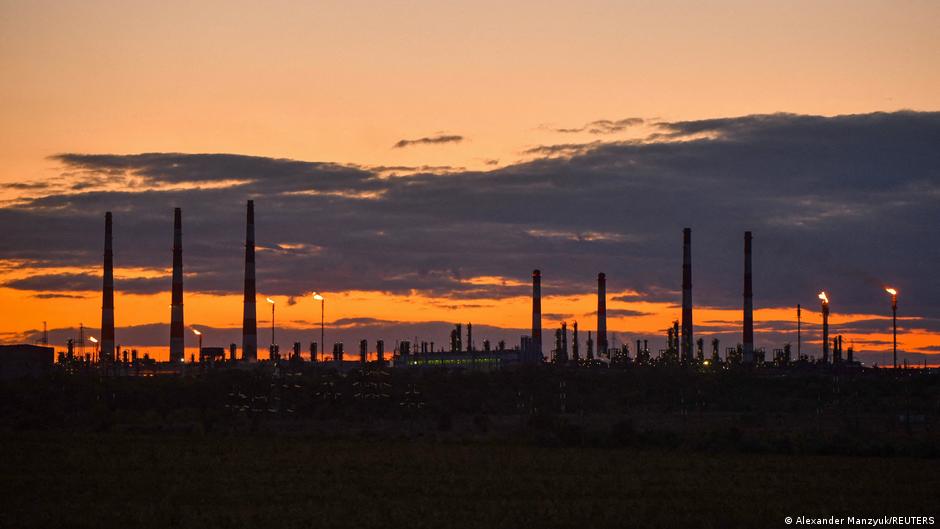
Meanwhile, Ukrainian forces have intensified retaliatory strikes targeting Russian infrastructure, notably focusing on oil refining plants, fuel depots, and ports. This has contributed to a significant fuel shortage within Russia, underscoring the strategic importance of energy assets in the conflict.
Moreover, Ukraine’s attacks are striking defense industry targets, including facilities producing advanced technologies. Among these is the Voronezh Semiconductor Device Plant, known for manufacturing electronics integral to the Iskander missile system. The targeting of such high-tech production sites highlights the intersection of military conflict and the digital economy, with potential ramifications for Russia’s technological capabilities and supply chains.
As the conflict evolves, the interplay between drone warfare, missile technology, and industrial capacity underscores the broader impact on cybersecurity, defense technologies, and related markets. Financial and technology sectors monitoring these developments should consider the potential effects on regional stability, supply chains, and technological innovation.