US Extends Sanction License for Serbian Oil Company NIS Amid Gazprom Stake Sale Delays
The US has granted another 30-day temporary license allowing Serbia’s NIS to operate under sanctions linked to Gazprom’s ownership stake.
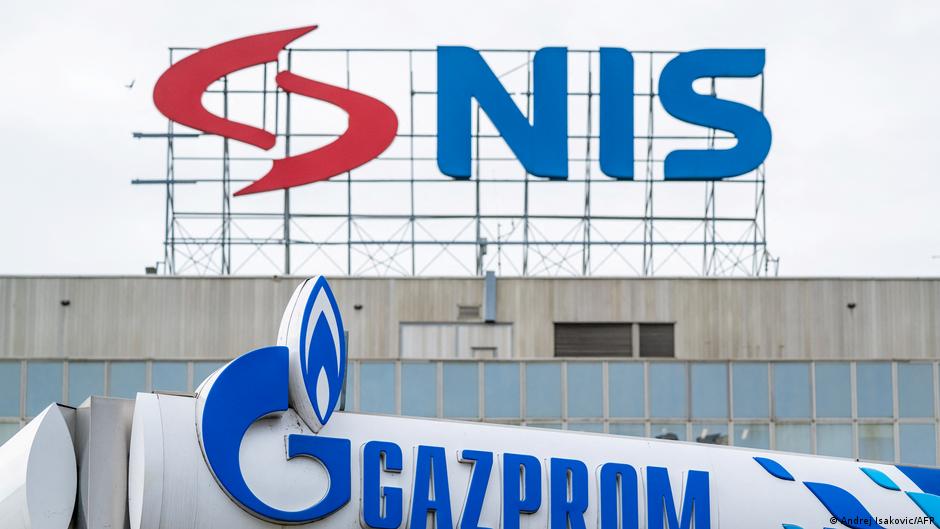
The United States has extended a temporary license for another 30 days permitting Serbia's oil company NIS (Naftna Industrija Srbije), controlled by Russia’s Gazprom, to continue operations despite ongoing sanctions. This extension, announced on June 30, 2026, reflects Washington’s repeated delays in enforcing the sale of Gazprom’s stake in NIS.
Impact on Energy Sector and Sanctions Enforcement
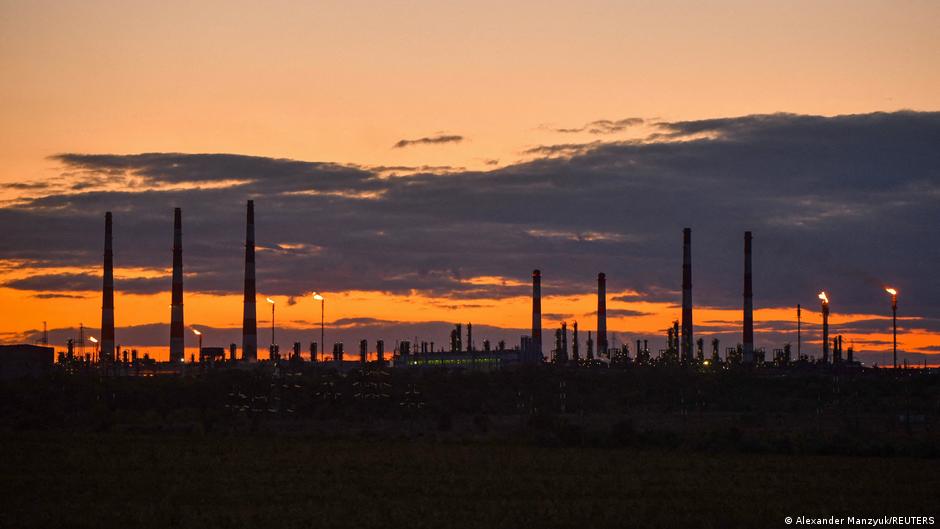
NIS remains a critical energy supplier in Serbia, fulfilling approximately 80% of the country’s gasoline and diesel demand, and over 90% of jet fuel and heavy fuel oil requirements. The extended license allows NIS’s oil refinery in Pančevo to keep processing crude oil, sustaining Serbia’s fuel supplies amid geopolitical tensions.
The sanctions were initially imposed in January 2025 after Gazprom and its affiliate Intelligence held a combined 56% ownership in NIS. The US Treasury’s Office of Foreign Assets Control (OFAC) demanded the sale of these shares, leading to restrictions that halted oil shipments via the Adriatic pipeline (JANAF) through Croatia and temporarily stopped refining operations in Pančevo.
In January 2026, Hungary’s leading oil and gas company MOL signed an agreement to acquire Gazprom’s NIS shares, with an original deadline set by OFAC for May 22, 2026, to complete the transaction. However, this deadline has been repeatedly postponed, prompting the US to issue consecutive extensions of the operational license for NIS.
"The oil refinery in Pančevo continues to process crude oil," Serbia's Minister of Energy Dubravka Đedović Handanović confirmed, citing information from OFAC.
Fintech and Digital Economy Considerations
While the focus remains on energy and geopolitical implications, these developments also bear significance for the fintech and digital economy sectors, particularly in payments and financial compliance. The ongoing sanctions complicate cross-border transactions involving Gazprom’s assets, requiring sophisticated compliance technology solutions to monitor and manage sanctions exposure effectively.
The repeated US license extensions highlight the challenges in sanction enforcement where ownership structures intersect multiple jurisdictions and complex transactions. Digital banking platforms and payment processors dealing with Russian or Serbian counterparties must remain vigilant to evolving regulatory licenses and restrictions.
Furthermore, this scenario underscores the importance of real-time sanctions screening, blockchain analytics, and cybersecurity measures to mitigate risks of inadvertent violations. Financial institutions engaged in commoditized energy trading and financing of such assets are increasingly leveraging fintech innovations to ensure adherence to international sanctions frameworks.
As the sale of Gazprom's stake in NIS remains pending, stakeholders in digital finance and investment sectors will continue monitoring regulatory developments closely, given their potential impact on asset liquidity, market valuations, and cross-border payment flows.