EU Cuts Duty-Free Steel Import Quota by Nearly Half to Protect Domestic Industry
The European Union reduces duty-free steel imports by 47%, imposing a 50% tariff on excess volumes to curb cheap steel influx.
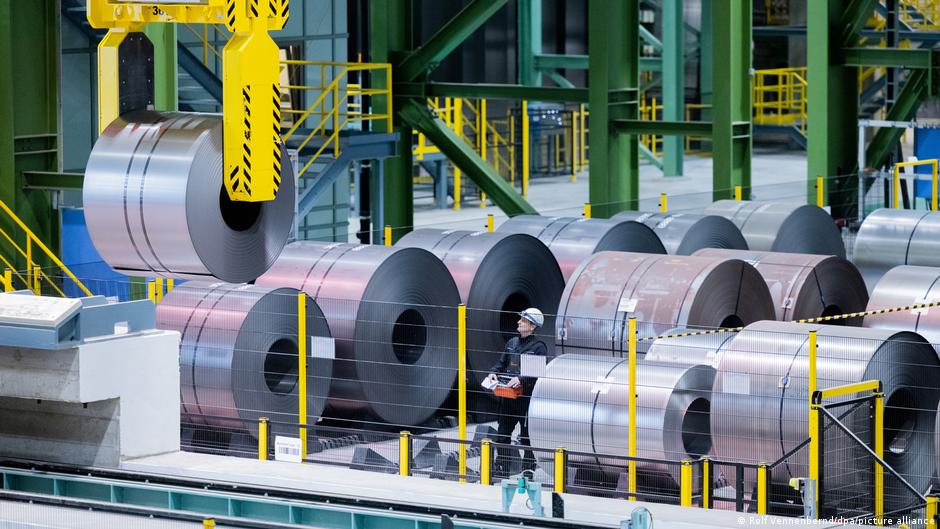
On July 1, the European Union implemented new restrictions on steel imports, drastically reducing the volume of duty-free steel allowed into the bloc by approximately 47%. Imports exceeding the new quota will now be subject to a steep 50% tariff, doubling the previous rate.
Impact on European Steel Industry and Trade Dynamics
This move aims to safeguard the European steel sector from a surge of cheap imports flooding the market, which risks destabilizing domestic producers. Germany, the EU's largest steel producer, is expected to benefit from these protective measures. The new rules set an annual duty-free import quota at 18.3 million tonnes, significantly lower than before.
Steel imports exceeding the quota will face a 50% import duty, a sharp increase from earlier tariffs. Additionally, the EU has established country-specific quota allocations for duty-free steel imports, with unused quotas allowed to roll over into subsequent quarters, providing some flexibility for importers.
"These new import restrictions are designed to prevent the market distortion caused by excess steel supplies and protect European industry competitiveness," said EU trade officials.
The policy shift reflects ongoing tensions over steel trade, particularly concerning China. According to data from the World Steel Association (Worldsteel), China produced approximately 961 million tonnes of steel in 2025, representing over half of global production. By comparison, Germany’s steel output was around 34 million tonnes the same year.
The EU alleges that China’s steel industry benefits from unfair state subsidies, contributing to global steel market surpluses and depressing prices. The European Commission’s latest measures are an attempt to level the playing field and address these competitive imbalances.
From a fintech and digital economy perspective, the tariff increase and import caps could affect supply chain financing, trade finance, and commodity trading platforms dealing with steel products. Higher tariffs may increase transaction complexities and require enhanced digital tracking and compliance solutions.
Furthermore, these developments could influence the stock performance of companies involved in steel production, trading, and related logistics within the EU, drawing investor attention to the evolving regulatory landscape.
Cybersecurity considerations are also relevant as digital trade platforms and payment systems handling cross-border steel transactions must adapt to new compliance requirements, ensuring secure and efficient processing under changing tariff regimes.