France Tightens Visa Issuance Rules for Russian Citizens Amid Rising Demand
New visa policies require personal submissions and biometric procedures, impacting travel and digital service access for Russians.
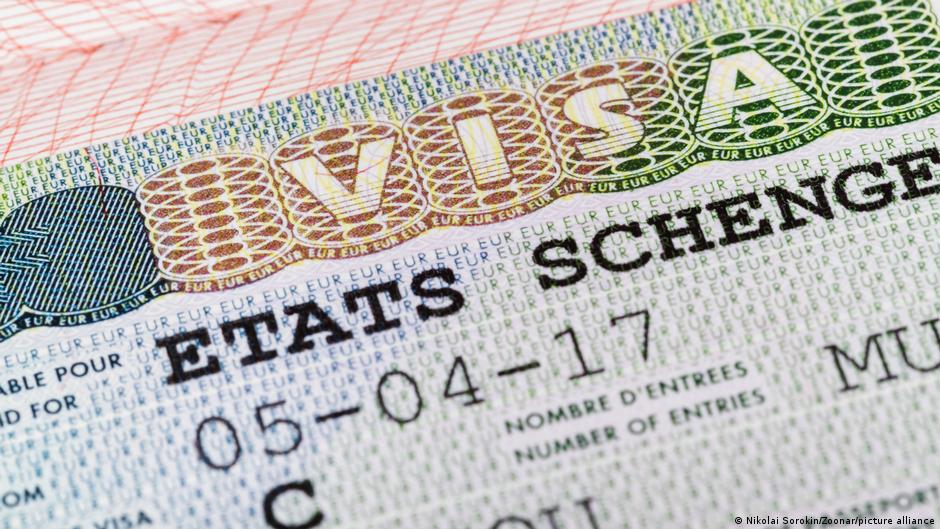
Following Italy, Spain, and Hungary, France has also implemented stricter visa issuance rules for Russian citizens. Starting July 15, the French visa center in Moscow will no longer accept visa applications via notarized power of attorney. These measures reflect a broader trend in the European Union to tighten entry requirements amid increasing demand and geopolitical tensions.
Implications for Digital Processes and Security
Under the new French regulations, visa applications must be submitted in person or through close relatives such as spouses, parents, or children. Applicants under 18 must have their applications submitted by parents or legal guardians. The regulations require original documents proving kinship and mandate biometric data collection within 59 months prior to application. Personal signing of the visa application form is also compulsory, and biometric data is required for all applicants aged 12 and older.
"The introduction of mandatory biometrics and personal submission aims to enhance security and reduce fraudulent applications," said a policy analyst specializing in digital identity verification.
These requirements pose significant challenges for Russian applicants, potentially delaying processing times and complicating remote submission options that many fintech and digital platforms rely on. Digital identity verification and biometric data collection are critical components in fintech compliance, and the stricter visa procedures may affect cross-border digital financial services and international travel-related fintech products.
Regional Visa Processing Delays
Previously, the Italian visa center in Moscow experienced increased processing times of up to 60 days due to high demand, while the Spanish center reported delays of up to 45 days. Hungary has suspended visa application acceptance in several Russian cities, including Samara, Ufa, and Kazan. These delays and restrictions may have a ripple effect on digital banking and payment platforms that facilitate international transactions linked to travel and visa services.
For fintech firms operating in the cross-border payments sector, these regulatory changes highlight the complexity of navigating evolving visa policies alongside cybersecurity and digital identity challenges. The personal submission requirement eliminates convenient third-party application submissions, limiting operational flexibility.
Broader Impact on the Digital Economy
As biometric verification becomes mandatory for visa issuance, the intersection of digital identity management and international travel intensifies. Fintech companies focusing on secure identity verification and digital onboarding may find new opportunities to collaborate with government agencies to streamline these processes.
However, the increased scrutiny and procedural requirements also underscore the need for robust cybersecurity measures to protect sensitive biometric data. The tightening of visa policies could influence how tech stocks in the digital identity and cybersecurity sectors perform, given the growing demand for secure, compliant solutions.
Overall, France's visa policy changes for Russian citizens mark a significant development in the digital economy landscape, affecting payments, digital identity, and cross-border fintech services.