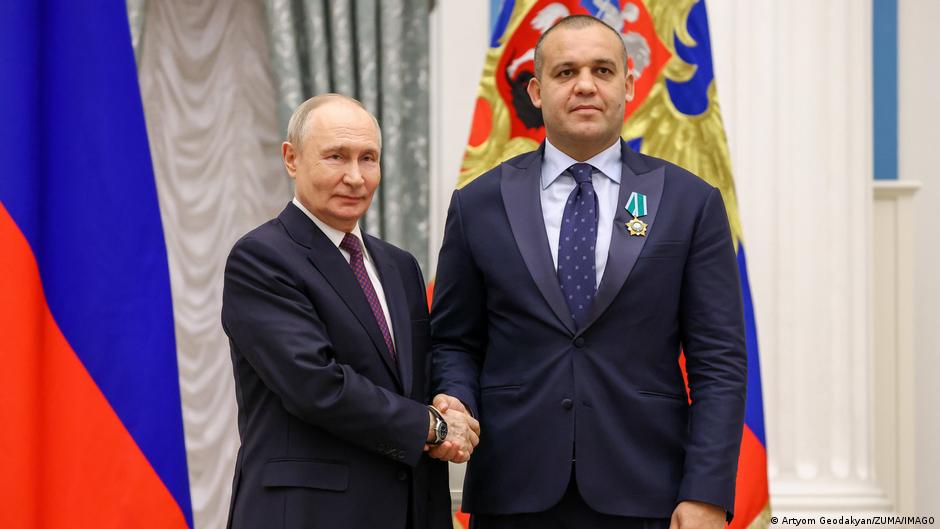
Putin Says Armenia’s EU Membership Bid Would Mean Exit From EEU
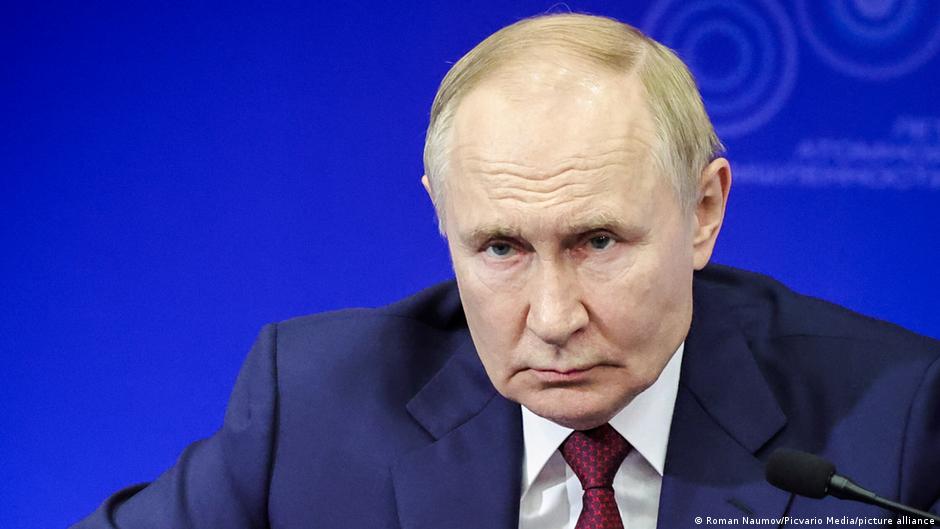
Putin told Pashinyan that Armenia’s move toward EU membership would amount to leaving the EEU, escalating a dispute with implications for trade and finance.

Putin told Pashinyan that Armenia’s move toward EU membership would amount to leaving the EEU, escalating a dispute with implications for trade and finance.

Foreign investment in Germany rose 50% to 86 billion euros in 2025, led by Britain and EU investors as US capital sharply declined.

Reuters reports the U.S. told Russia at the G20 not to expect sanctions relief before the war in Ukraine ends, extending pressure across finance and payments.

Meta’s $18B settlement mandates sweeping child-safety reforms relying on imperfect age-verification tech, underscoring challenges in balancing safety and privacy in digital platforms.

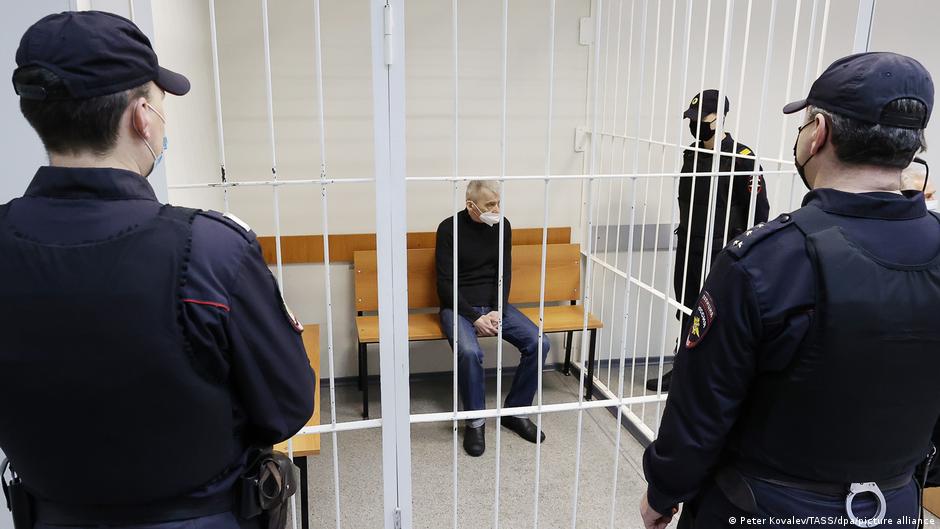
Ilya Remeslo, once a pro-Kremlin blogger, now faces up to 10 years in detention after criticizing Putin and the war, under charges of spreading fake news about the Russian military.

Russia has established a covert aviation network to supply its military in Africa, bypassing Western sanctions via complex logistics involving military and private carriers.

Latvia has published a list of 170 companies maintaining trade with Russia and Belarus despite the Ukraine war, impacting transparency and digital economy sectors.

President Trump announced sweeping economic sanctions against Iran, threatening countries that do business with Tehran, impacting global trade, fintech, and digital payments.

President Trump plans to declare the Strait of Hormuz U.S. territory, affecting global energy security and digital financial markets amid ongoing U.S.-Iran tensions.

Ukraine sanctions 13 ships and 28 companies over illegal grain exports from Russian-occupied territories, highlighting fintech's role in trade enforcement.

A fire at Wildberries’ Voronezh logistics hub due to drone attacks has disrupted supply chains and caused significant losses, underscoring risks to Russia's digital commerce infrastructure.

NORAD F-16 jets intercepted two civilian planes violating temporary flight restrictions over Trump’s New Jersey golf course, highlighting the need for advanced airspace security measures.

The US Senate approved stringent sanctions targeting Russia's energy and financial sectors, impacting global fintech, compliance, and energy trade dynamics.

Russia has declared the US-based Human Rights Foundation undesirable, citing its digital projects like the Tyranny Tracker and critical content against Russian authorities.

Over 8.4 million Ukrainians live abroad amid conflict, driving demand for fintech services, digital payments, and secure cross-border financial solutions.

Major Russian banks face global browser access issues as foreign certification authorities revoke security certificates, pushing reliance on domestic browsers and raising cybersecurity concerns.

Russia moves its anti-submarine ship Admiral Levchenko to the Baltic Sea to secure shadow fleet operations, impacting maritime security and fintech risk management.

US-Iran talks resume August 3 with postponed strikes, impacting fintech, digital banking, and cybersecurity amid ongoing regional tensions.

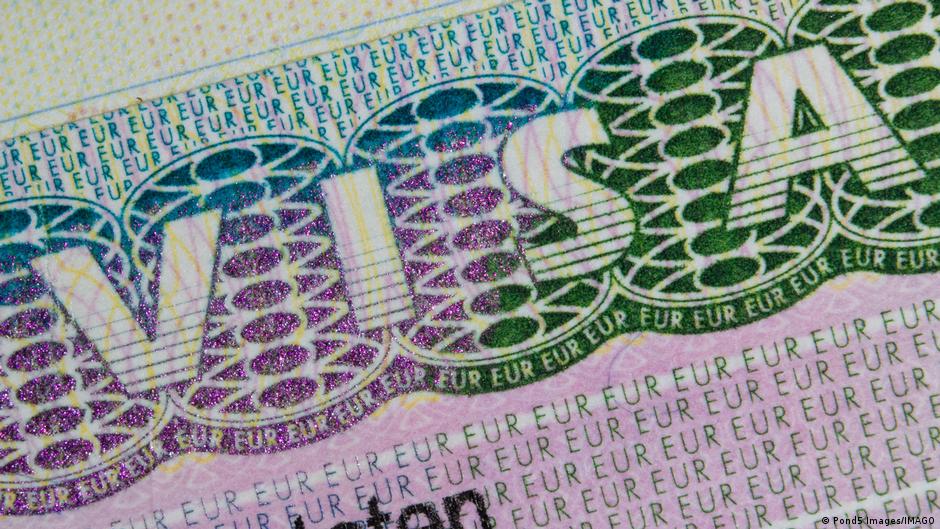
The US will require visa bonds up to $20,000 from citizens of 50 countries to reduce visa misuse, impacting international payments and fintech solutions for cross-border travel.
Uzbekistan launches a national navigation system and unified digital platform to enhance fintech, public administration, and digital infrastructure, aiming to boost IT exports and startup growth.

The US Senate advances a bill imposing heavy tariffs on Russia, with broad implications for fintech, digital banking, and sanctions compliance.

President Zelensky visits Washington where the US Senate will vote on new sanctions against Russia, underscoring rising geopolitical tensions impacting fintech and global payments.

Ukraine's president warns Russia plans expanded mobilization with 30,000 North Korean troops and missile support, raising regional security and fintech risk concerns.
Montenegro will end visa-free entry for Russian and Belarusian citizens after October 2026, impacting fintech, digital payments, and cross-border economic ties amid EU integration efforts.

Russia’s July oil and gas revenues could rise 60% year-on-year due to global price increases, despite sanctions aiming to limit its energy export earnings.

Russia's State Duma amends fuel dampener laws to stabilize prices, expand supply, and introduce new compensation schemes, affecting energy markets and fintech-related trading mechanisms.

US military strikes on Iran enter tenth day, targeting missile sites and air defenses, escalating regional tensions with implications for global trade, fintech, and cybersecurity.

The US has imposed 50% tariffs on Canadian imports, affecting cross-border trade and potentially disrupting fintech, digital payments, and e-commerce between the two countries.

Germany defends the International Criminal Court as the U.S. escalates diplomatic and legal actions against the tribunal over investigations into American personnel.

The EU recommends cutting €2 million funding to the Venice Biennale due to Russia's participation amid sanctions concerns, highlighting challenges at the intersection of culture, politics, and finance.

US military strikes on Iran target maritime infrastructure in the Strait of Hormuz, raising risks for global trade, energy markets, and fintech payment ecosystems amid escalating tensions.

Fuel prices in Crimea nearly doubled in early July amid Russia's export ban on diesel and ongoing supply shortages affecting energy markets and digital payment trends.

US military strikes on Iran retaliate against tanker attacks in the Strait of Hormuz, raising risks for maritime trade, energy markets, and digital financial ecosystems.

A poll finds 45% of Germans oppose banning the far-right AfD, which leads the CDU/CSU by 8%, signaling political shifts that could impact fintech and digital economy sectors.

Russia authorizes use of higher-sulfur Euro-3 fuels domestically until 2026 to address supply disruptions caused by attacks on refineries, excluding exports to EAEU states.
France enforces stricter visa rules for Russians, requiring personal submissions and biometrics, impacting fintech services linked to cross-border payments and digital identity.

The US has once again extended a 30-day license allowing Serbian oil company NIS, controlled by Gazprom, to operate under sanctions while the sale of Gazprom’s stake faces delays.

The EU cuts duty-free steel import quota by nearly half and imposes a 50% tariff on excess imports to protect domestic industry from cheap Chinese steel.

Poland deported 11 individuals linked to Russia-funded protests aimed at influencing Ukrainian refugee communities, highlighting risks in digital payment systems used in geopolitical campaigns.

Finland has repealed its ban on importing nuclear weapons, a move that carries significant implications for national security and the fintech sector’s cybersecurity and digital payment systems.

Russia closes Romania’s consulate in Saint Petersburg in retaliation for Romanian closure of Russian consulate after a drone incident in Galați, highlighting rising geopolitical and security tensions.

France and Italy question the EU's proposed ban on Russian combatants' entry, fearing it may extend to all Russian nationals, complicating fintech compliance amid sanctions.

Belgium issued one-day visas to five Taliban representatives invited to Brussels for EU talks on Afghan deportations, highlighting complex migration and security challenges.

US intelligence warns that Israeli Prime Minister Netanyahu may try to disrupt the US-Iran deal, raising concerns about regional stability and potential impacts on fintech and digital economy sectors.

The EU agrees to extend sanctions on Russia for one year, increasing pressure on energy and finance sectors, with implications for fintech, cybersecurity, and digital payments.

The US has lifted its naval blockade of the Strait of Hormuz, enabling record oil shipments and initiating a 60-day negotiation period with Iran to finalize a peace deal.

Bolivia and the US have signed a new anti-drug cooperation deal after 18 years, including $20M in tech and training funds to modernize Bolivia’s narcotics enforcement capabilities.

France, Germany, UK, and Italy endorse the US-Iran peace deal, stressing rapid implementation, nuclear non-proliferation, and restoring fuel supply through the Strait of Hormuz.

The US sanctions on Cuba’s state oil company CUPET disrupt energy trade and pose challenges for fintech, digital payments, and cybersecurity in the region.

22 countries, including the US and Europe, condemn Iran's IRGC for orchestrating attacks on dissidents and Jewish communities, with major cybersecurity and fintech implications.