U.S. Lawmakers Move to Ban Russian Oil Purchases After Diesel Deal Claim
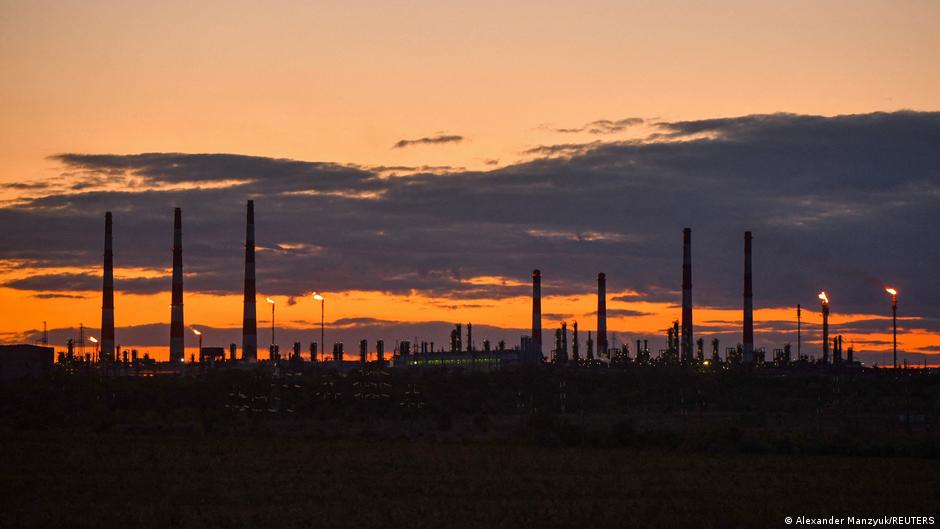
A bipartisan push in Congress would seek to block Russian oil purchases as lawmakers criticize Donald Trump’s reported diesel agreement with Moscow.
A bipartisan bill aimed at banning any purchases of Russian oil is set to be introduced in the U.S. Congress, sharpening a political fight over energy flows that also carries implications for payments, sanctions compliance, commodity finance and risk controls across the digital economy.
Representative Brian Fitzpatrick, a Republican from Pennsylvania, said on Saturday, October 10, on X that the proposed legislation would target “any purchases of Russian oil.” According to Fitzpatrick, the bill will be titled the Ronald Reagan “Peace Through Strength” Act.
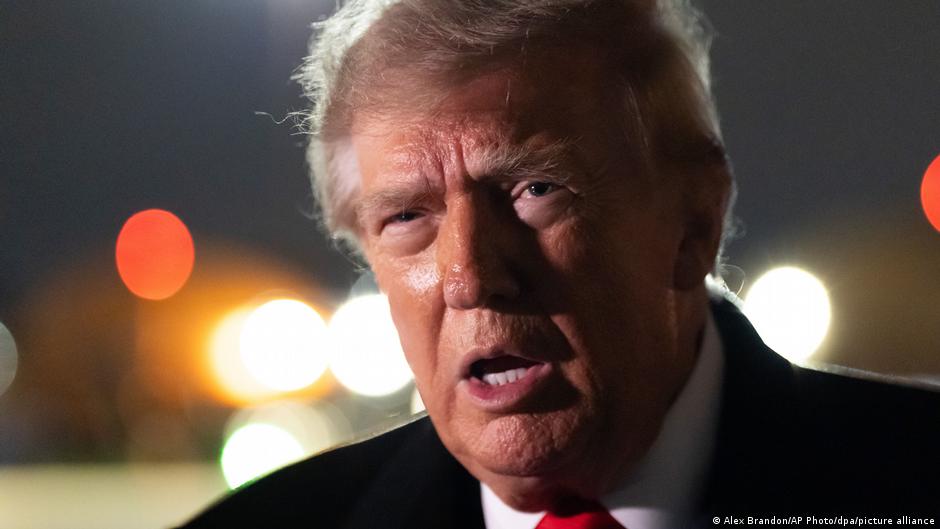
The proposal comes amid criticism in Congress of President Donald Trump’s decision concerning Russian diesel fuel. Representative Don Bacon, a Republican from Nebraska, has already said he will support the bill and criticized Trump’s decision to purchase diesel fuel from Russia.
The political dispute places energy trade back at the center of U.S. sanctions and payment-policy debates. For financial institutions, commodity traders, fintech platforms and digital banks, any legislative move to prohibit Russian oil purchases would heighten the importance of screening counterparties, monitoring payment chains and managing exposure to sanctioned or politically sensitive flows.
Discharge petition route raises the stakes
Fitzpatrick said the bill will be brought for debate on the House floor through a discharge petition, a parliamentary procedure that allows rank-and-file lawmakers to force a measure to a vote by the full House without going through the relevant committee or the speaker if they are blocking consideration.
To succeed, the procedure requires the signatures of at least 218 lawmakers, an absolute majority of the House. Fitzpatrick predicted that the bill would pass by an overwhelming majority.
“It will be passed by an overwhelming majority,” Fitzpatrick said, according to the source article.
That procedural path matters for markets because it signals an effort to move around normal gatekeeping channels. In regulatory terms, a discharge petition can transform a policy dispute into a more immediate legislative risk. Firms handling energy-linked payments, trade finance, digital invoicing or commodity settlement would need to watch whether the bill gains the required signatures and advances toward a full House vote.
The proposed ban, as described by Fitzpatrick, is framed broadly around purchases of Russian oil. The source article does not provide further details on enforcement mechanisms, exemptions, timelines or whether the legislation would cover refined products in addition to crude. Those details would be central for banks, payment processors and compliance teams, because practical exposure often sits not only in direct purchases, but also in financing, shipping, insurance, intermediaries and settlement infrastructure.
Trump-Putin diesel announcement draws criticism
The congressional move follows comments by Trump on October 9, when the White House chief said he had held “very successful” talks with Russian President Vladimir Putin. During those talks, according to the source article, an agreement was reached on supplies of Russian diesel to the United States and to the global market.
Putin officially confirmed the telephone conversation with Trump and the agreements. In a statement cited in the source article, the Russian president said that, during discussion of the state of global energy, the Russian side confirmed its readiness to supply oil and petroleum products to the American and global markets. Putin said he was confident this would have a positive effect on the entire global economy.
For the fintech and digital banking sectors, the contrast between the executive-level energy understanding and the congressional response creates a familiar but difficult operating environment: political signals can change faster than systems, contracts and compliance workflows. If a ban on Russian oil purchases were to move forward, financial technology companies involved in cross-border payments, embedded finance, business accounts, treasury tools or crypto-asset services could face pressure to strengthen controls around energy-related transactions.
Even when firms do not directly finance oil cargoes, digital platforms may touch the surrounding ecosystem. Payments for logistics, brokerage services, insurance, documentation, inspection or wholesale fuel distribution can create compliance questions. A broad congressional prohibition would also intensify scrutiny of beneficial ownership, routing banks and indirect payment structures.
Crypto firms would face a related reputational and regulatory issue. The source article does not mention digital assets, but the policy direction described by Fitzpatrick would reinforce the broader compliance trend in which politically sensitive commodity flows are watched for alternative settlement channels. Exchanges, stablecoin issuers and blockchain analytics providers would likely be expected to show that their systems can identify and block prohibited activity if new restrictions are enacted.
Technology stocks tied to payments, banking software, compliance automation and cybersecurity could also be affected by the broader regulatory climate, though the source article does not cite any market reaction. In practice, geopolitical trade restrictions tend to increase demand for screening tools, transaction monitoring and audit-ready data, while also raising legal and operational costs for platforms that move money across borders.
The immediate question is whether Fitzpatrick and other supporters can gather the 218 signatures required to force the bill to the House floor. Bacon’s stated support gives the effort an early Republican backer beyond Fitzpatrick, while the description of the measure as bipartisan suggests sponsors are seeking a coalition wider than one party faction.
For now, the bill remains a planned congressional initiative rather than enacted law. But its introduction would mark a direct challenge to the reported Trump-Putin diesel understanding and would put U.S. energy policy, sanctions enforcement and financial infrastructure on the same political track. For companies in payments and digital finance, the lesson is straightforward: energy trade decisions can quickly become compliance events.