U.S. Senators Urge Trump to Drop Russian Diesel Deal Over War Financing Risks
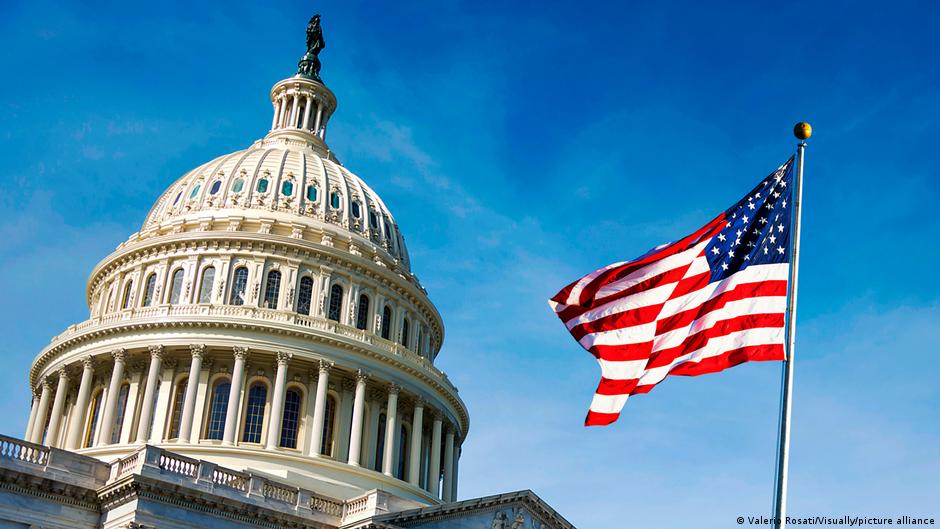
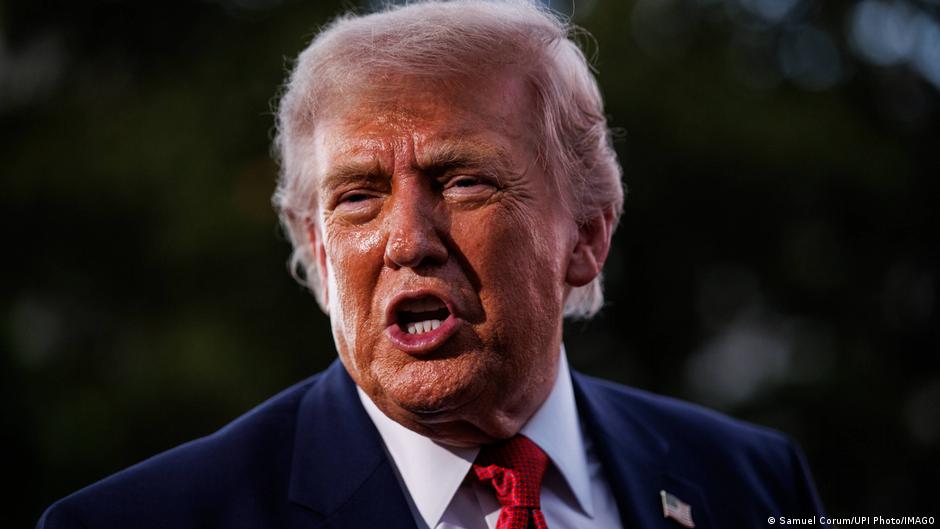
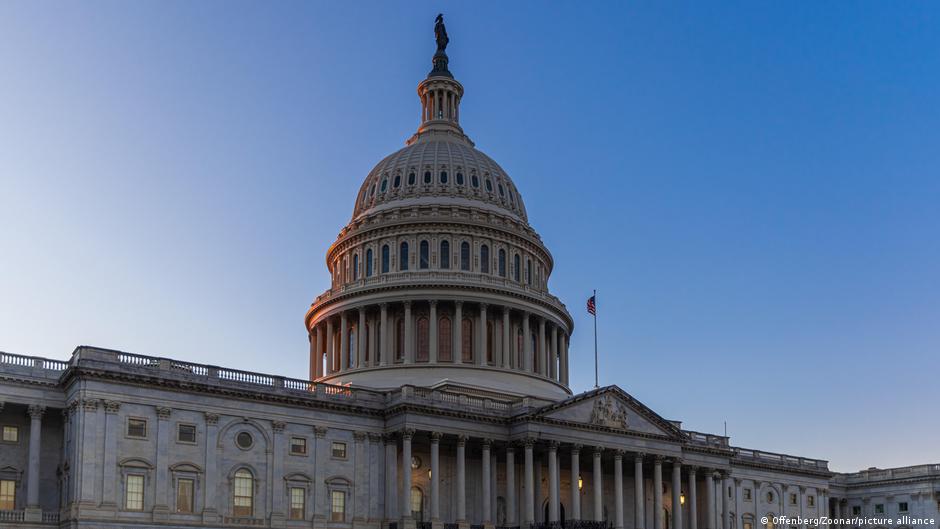
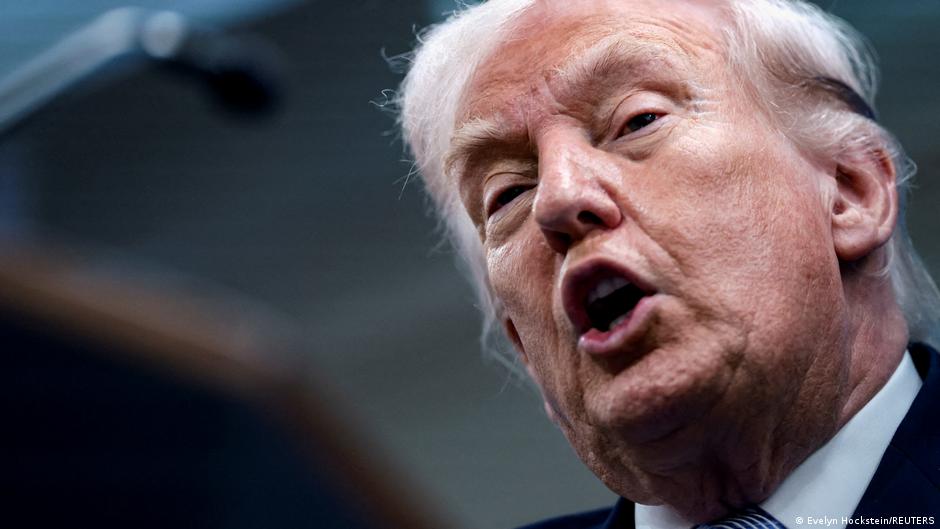
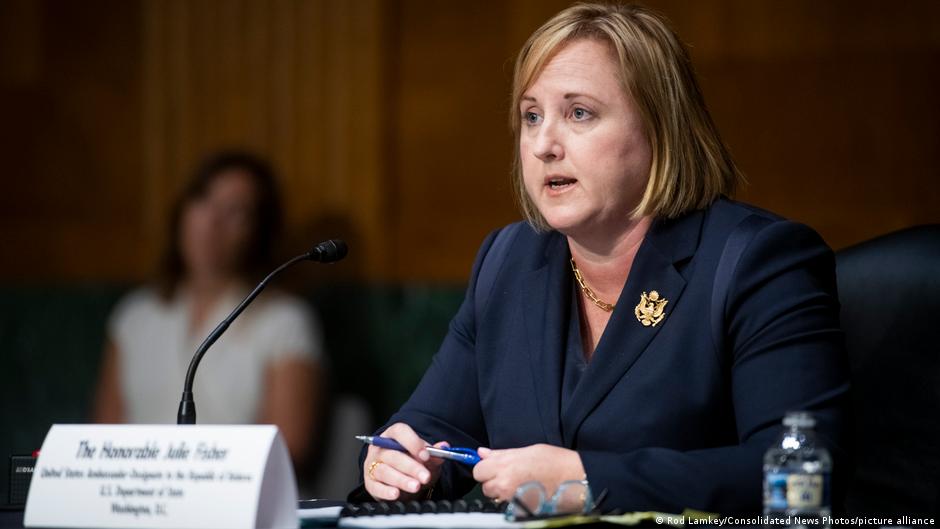
A bipartisan Senate group warns Trump’s Russian diesel deal could fund Moscow’s war while offering little relief to U.S. fuel consumers.

A bipartisan Senate group warns Trump’s Russian diesel deal could fund Moscow’s war while offering little relief to U.S. fuel consumers.

A U.S. strike disabled a Panama-flagged cargo vessel near Iran, adding pressure to energy markets, trade finance and digital risk systems.

A bipartisan House bill would seek to ban Russian oil purchases, raising compliance questions for payments, banking and digital finance firms.

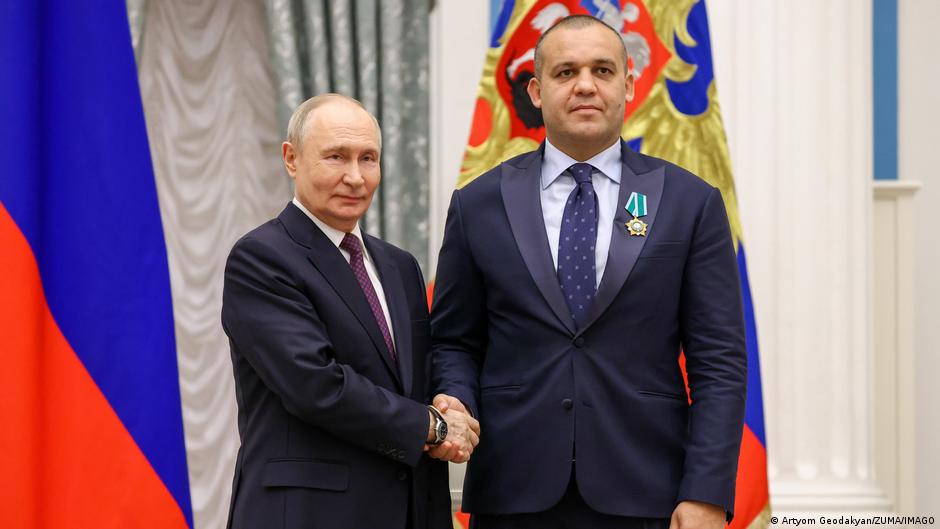
Umar Kremlev says Donald Trump Jr. reimbursed him for wedding event costs, as Democrats weigh scrutiny of foreign-linked payments.

Trump signed the Graham sanctions bill, giving the White House broad powers over Russian energy tariffs, banks and sanctions evasion networks.

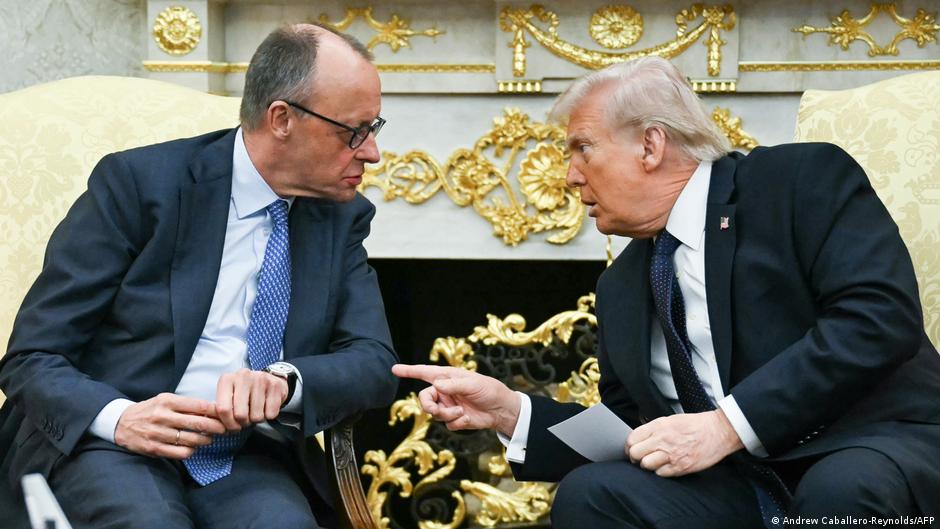
Friedrich Merz says unconditional transatlantic friendship may be over, with implications for Germany’s economy, security and digital sectors.

Houthi control near Bab el-Mandeb could disrupt oil flows and ripple through payments, crypto, digital banking and tech stocks.

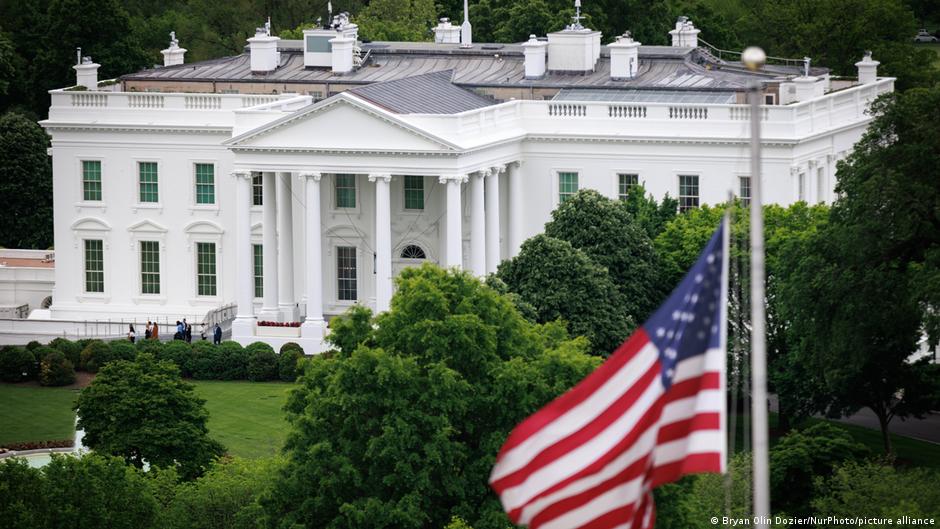
The US Supreme Court ruled in favor of Trump’s White House renovation plans, allowing construction of a ballroom and military bunker to proceed amidst national security claims.

US defense firms Raytheon and Lockheed Martin warn that licensing Patriot missile technology to Ukraine could lead to enhanced missile production and potential intellectual property risks.

Darlin Graham Norton was appointed to fill her late brother Lindsey Graham’s Senate seat, securing a fragile Republican majority and influencing fintech and digital economy policies.

A poll finds 45% of Germans oppose banning the far-right AfD, which leads the CDU/CSU by 8%, signaling political shifts that could impact fintech and digital economy sectors.

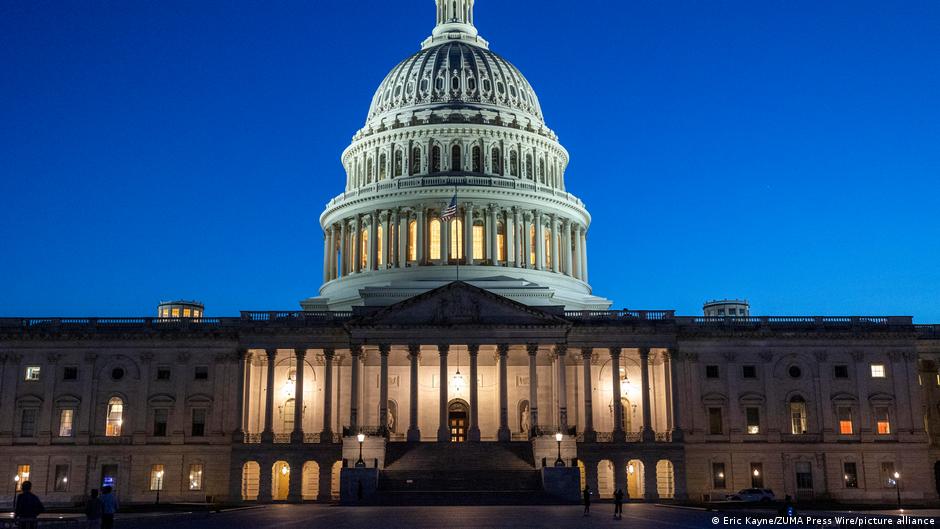
The US Senate approved a resolution urging troop withdrawal from Iran conflict zones amid peace talks, highlighting potential impacts on sanctions, digital payments, and fintech sectors.

The U.S. Congress approved $70 billion to fund immigration agencies, highlighting significant impacts on digital infrastructure, fintech, and cybersecurity within government operations.

The US House has passed a bill boosting military aid to Ukraine and expanding presidential powers to impose sanctions on Russia, pending Senate approval.

The U.S. House passed a resolution limiting President Trump's ability to continue war with Iran without Congress approval, signaling shifting political dynamics and implications for fintech and cybersecurity.

President Trump announces deployment of 5,000 additional US troops to Poland, reversing earlier plans and reflecting shifts in US military posture in Europe.

The US Senate advanced a resolution requiring President Trump to seek Congressional approval for military action against Iran, impacting geopolitical stability and fintech sectors.

Iran has submitted a 14-point peace plan to the US demanding sanctions relief and naval guarantees, with significant implications for fintech, digital payments, and regional stability.

The US announces a major troop reduction in Germany, exceeding 5,000 soldiers, impacting NATO dynamics and defense-related tech sectors amid escalating geopolitical tensions.

The US plans to withdraw 5,000 troops from Germany within a year, a move with potential implications for transatlantic cybersecurity and fintech collaboration.

US warns European allies of significant delays in missile system ammunition shipments due to urgent replenishment amid conflict with Iran, impacting defense supply chains and allied readiness.

US Chargé d’Affaires Julie Davis to leave Kyiv amid tensions with Trump policies, raising concerns over diplomatic stability and impacts on Ukraine’s digital economy.

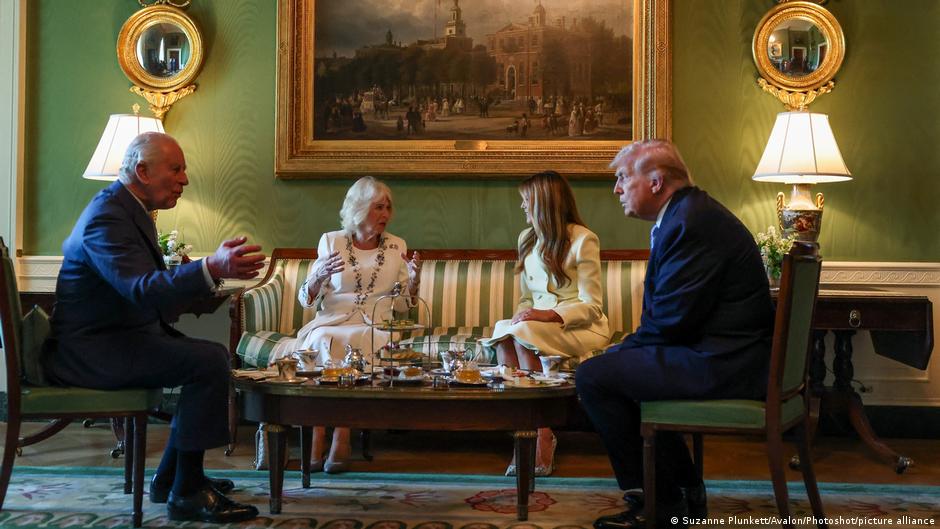
King Charles III visits the US amid geopolitical tensions, aiming to restore US-UK ties while economic and security concerns impact fintech and defense sectors.

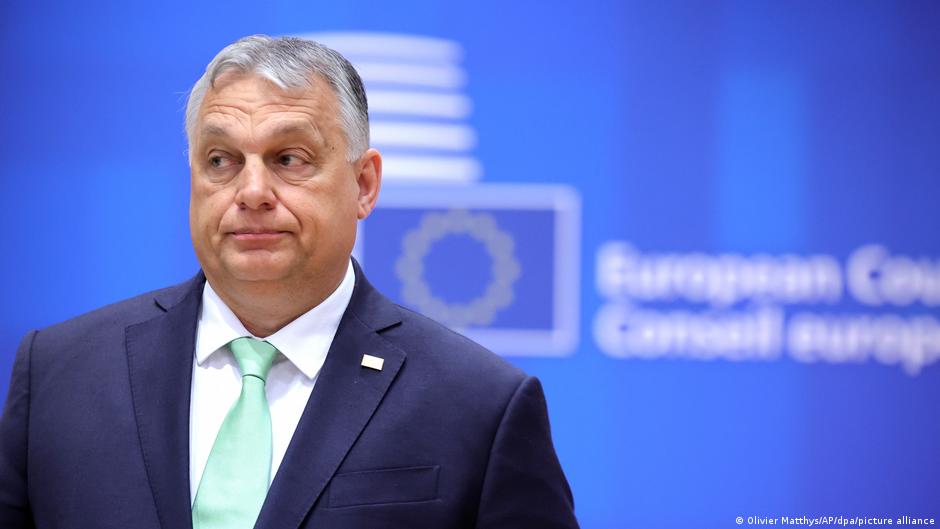
Outgoing Hungarian PM Viktor Orban declines parliamentary mandate amid leadership changes and new government plans to reverse key policies affecting EU relations and digital economy prospects.

Alexander Eichwald was expelled from Germany’s AfD after a speech mimicking Hitler’s style, revealing extremist tensions that may affect Germany’s fintech and digital economy sectors.

The US Senate rejects a resolution to end military actions in Iran, prolonging geopolitical uncertainty with impacts on fintech, digital payments, and cybersecurity sectors.

The Trump administration wants GM, Ford and other manufacturers to help produce weapons, echoing WWII-era industrial mobilization.