Iran Submits 14-Point Peace Plan to US Amid Ongoing Middle East Conflict
Iran outlines key conditions including sanctions relief and naval security, impacting regional stability and global energy markets.
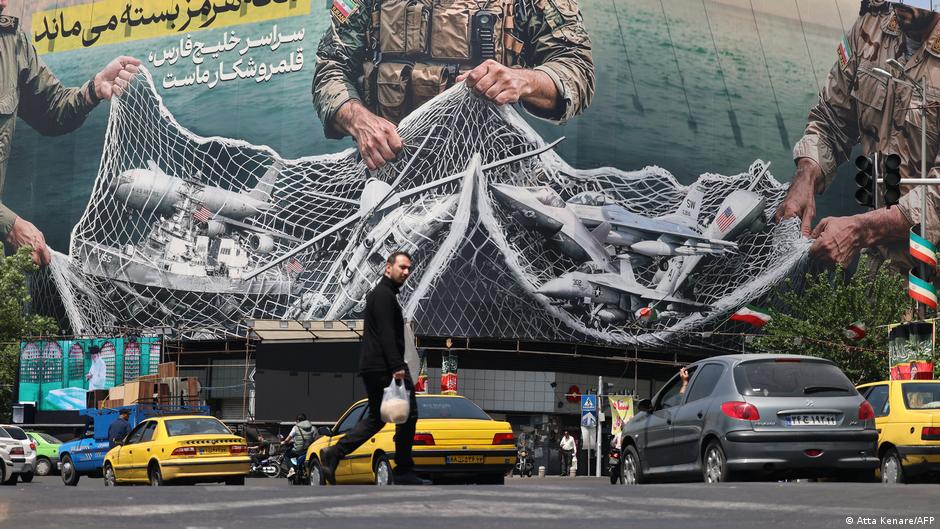
Iranian authorities have presented the United States with a detailed 14-point peace proposal, aiming to resolve the ongoing military conflict in the Middle East. The plan sets forth Tehran's key demands to end hostilities, emphasizing not merely a ceasefire extension but a comprehensive conflict resolution within a month. The document arrives as tensions persist following months of clashes and strategic maritime blockades.
Implications for Regional Stability and Digital Economy
The peace plan demands several critical concessions from Washington, including guarantees of non-aggression, the full withdrawal of American troops from border regions, the lifting of the naval blockade, and the unfreezing of Iranian financial assets. Additionally, Tehran insists on reparations for damages incurred, the removal of sanctions, cessation of all military actions—including Israeli strikes on Lebanon—and the establishment of a new mechanism governing the strategic Strait of Hormuz.
From a fintech perspective, the demand to unfreeze Iranian assets and lift sanctions carries significant implications for the digital economy and global payment systems. Sanctions relief could reopen Iranian access to international banking networks and facilitate cross-border digital transactions, potentially reintegrating Iran into global fintech and cryptocurrency markets that had suffered under restrictions.
"The focus must be on ending the war, not prolonging a ceasefire," stated Iranian officials, underscoring the urgency of comprehensive peace.
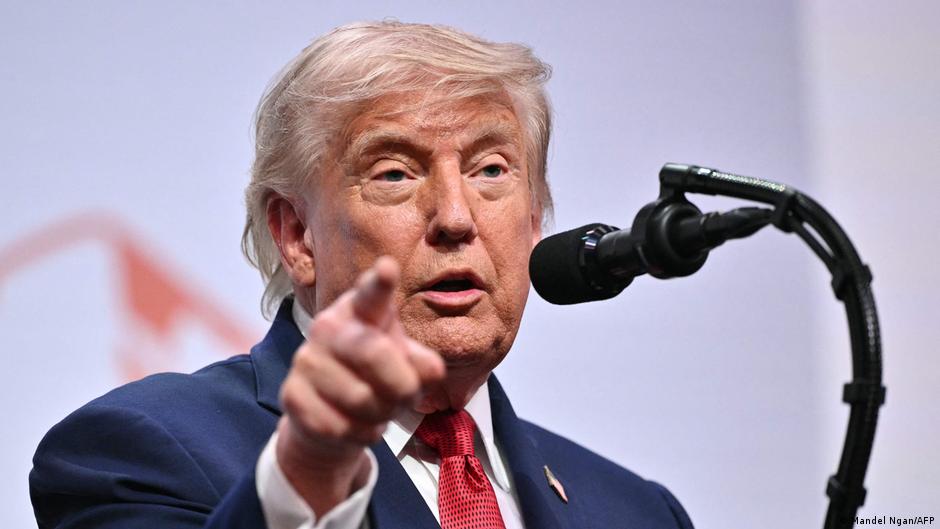
While the US President Donald Trump acknowledged receiving the new proposal, he expressed skepticism regarding its acceptability, citing Iran's historical actions over the past 47 years. Trump also signaled ongoing preparations for a prolonged maritime blockade intended to suppress Iran’s oil exports and weaken its economy.
The military conflict erupted on February 28, 2026, with coordinated US and Israeli attacks on Iranian territory. Iran responded with strikes against Israeli targets, Gulf states, and American installations. Although a ceasefire came into effect in early April, substantive diplomatic progress remains elusive. A preliminary round of talks in Pakistan on April 11 failed to yield a breakthrough.
The strategic Strait of Hormuz remains effectively blocked by Iranian forces, while the US continues its naval blockade of Iranian ports. These maritime restrictions have critical ramifications for global energy supply chains and underlying financial flows, affecting not only oil prices but also related tech stock markets and cybersecurity concerns tied to critical infrastructure.
On May 1, President Trump formally notified the US Congress of the cessation of military actions initiated in late February, adhering to the 1973 War Powers Resolution which limits presidential war-making powers. Nevertheless, he emphasized that the threat from Iran persists and that US forces remain vigilant.
As this complex geopolitical standoff continues, its repercussions on fintech, digital banking, and cyber defense frameworks in the region and beyond are closely monitored by industry stakeholders and investors. The potential easing of sanctions and restoration of financial channels could prompt a resurgence of digital payment platforms and crypto adoption in Iran, while ongoing instability sustains elevated risks across cybersecurity and tech equities tied to Middle Eastern market exposure.