US Plans Major Reduction of Military Presence in Germany Amid Global Strategic Shifts
The US announces a significant cutback of troops in Germany, signaling potential impacts on transatlantic security and defense-related tech sectors.
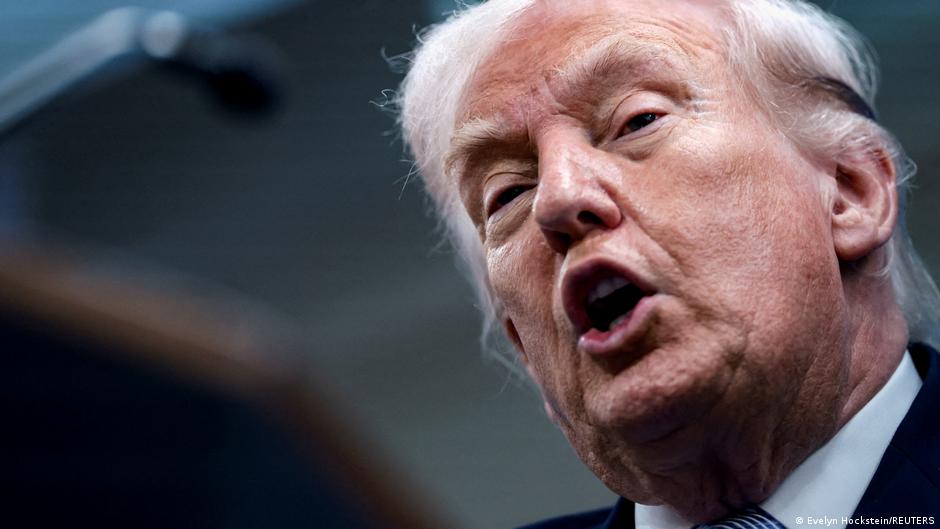
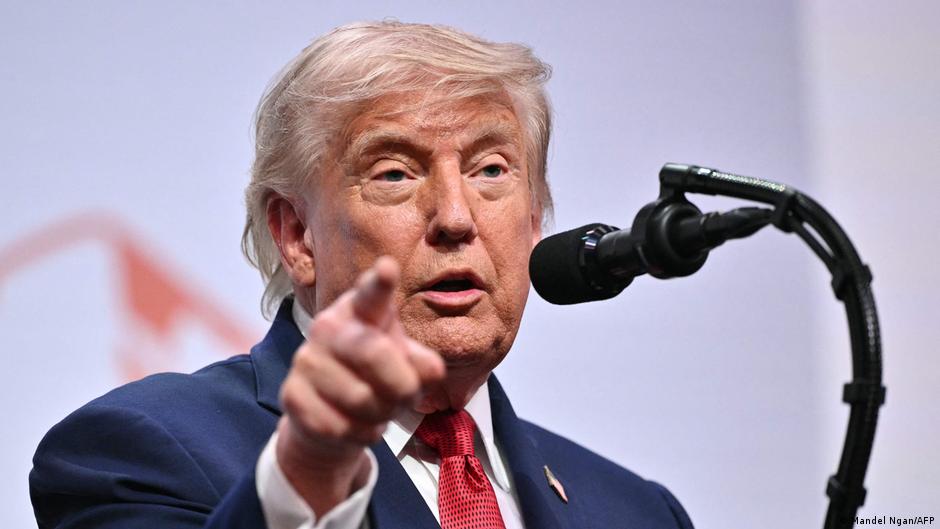
The United States is set to substantially reduce its military presence in Germany, a move announced by President Donald Trump on May 3. This reduction is expected to exceed previous plans to withdraw approximately 5,000 soldiers, representing about one-seventh of the US forces currently stationed in the country.
President Trump revealed the extension of troop withdrawals during a press briefing in Florida, emphasizing a scale "much larger than 5,000" soldiers. This statement underscores a broader reassessment of the US military footprint in Europe amid evolving geopolitical dynamics. The reduction could have cascading effects on defense industry contracts, cybersecurity preparedness, and the broader economic ties related to digital infrastructure supporting military operations.
Geopolitical Context and Digital Economy Implications
Beyond Germany, Trump also threatened to withdraw American troops from Spain and Italy, citing dissatisfaction with these countries' support in regional conflicts, particularly the US and Israel's stance against Iran. This signals a realignment in US military strategy that could lead to shifts in defense spending, cybersecurity priorities, and technology investments across Europe.
"We will reduce the number significantly, by much more than 5,000 American soldiers," Trump stated, highlighting the administration's intent to recalibrate foreign military commitments.
The Pentagon's spokesperson, Sean Parnell, confirmed that the withdrawal is expected to be completed within six to twelve months following a thorough review of the US defense presence in Europe. As of late 2025, around 68,000 US troops were stationed across European bases, with more than half deployed in Germany. Historically, troop numbers in Germany have drastically fallen from 250,000 in 1985 to current levels, reflecting geopolitical transformations post-Cold War.
The reduction has raised concerns within NATO, which continues to work closely with the US to comprehend the details and ramifications of this decision. Allison Hart, NATO's spokesperson, reaffirmed the alliance's commitment to ensuring deterrence and defense capabilities during this transition towards a "stronger Europe within a stronger NATO."
For the fintech and digital economy sectors, these developments may influence defense-related technology contracts, cybersecurity frameworks, and the digital management of military logistics. Companies specializing in secure communications, data protection, and tech stock portfolios linked to defense could see volatility or strategic shifts in their market dynamics.
Moreover, as military infrastructure and personnel numbers adjust, there may be changes in the demand for digital banking services, secure payment systems, and crypto-based financial solutions tailored to defense operations and personnel. The geopolitical recalibration could accelerate investments in technology upgrades for remote and secure military financial transactions.
Trump's announcement follows a recent diplomatic exchange with German Chancellor Friedrich Merz, who criticized the US for a lack of strategic clarity in its approach to the Iran conflict. In retaliation, Trump accused Germany of supporting Iran's nuclear program. These tensions underscore the complex interplay between geopolitical strategy and the tech-driven defense economy.
While the prospect of troop withdrawal is not new—Trump had previously suggested such measures during his first presidential term—the current scale indicates a more decisive shift. However, Congressional restrictions remain a significant factor potentially limiting the execution of these plans.