US to Reduce Troop Presence in Germany by 5,000 Amid Strategic Realignment
The Pentagon orders withdrawal of about 5,000 US troops from Germany within a year, impacting transatlantic defense and geopolitical landscape.
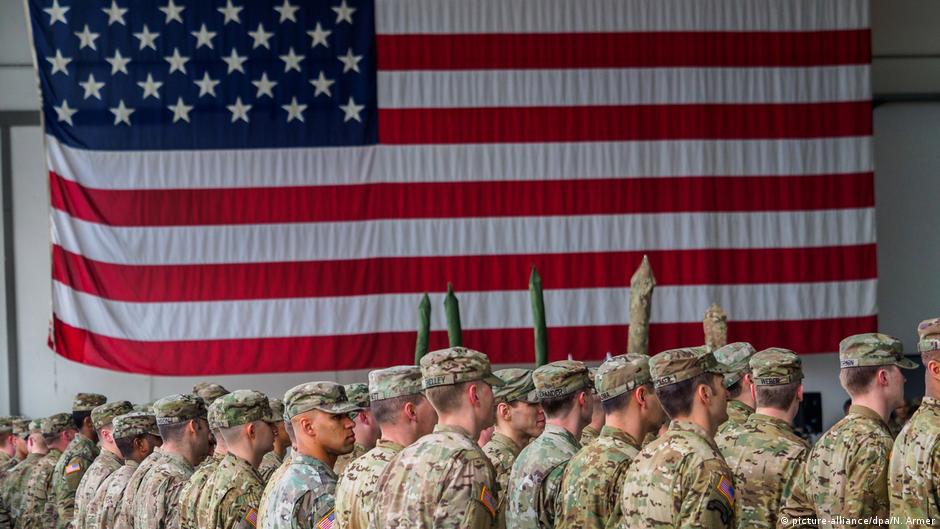
The United States Department of Defense has ordered the withdrawal of approximately 5,000 American military personnel from Germany over the next twelve months. Currently, Germany hosts over 35,000 US troops, making it the largest American military presence within the European Union.
US Secretary of Defense Pete Hegset issued the directive following a comprehensive review of the US military footprint in Europe, taking into account operational requirements and local conditions. Pentagon spokesperson Sean Parnell stated, "We anticipate that the troop withdrawal will be completed within the next six to twelve months." This move reflects an ongoing strategic reassessment of US forces abroad amid shifting geopolitical priorities.
Implications for Transatlantic Security and the Digital Economy
Germany has historically been a critical hub for US military operations in Europe. In December 2025, about 68,000 US troops were stationed across European bases, with more than half deployed in Germany. This number is substantially lower than during the Cold War era, when approximately 250,000 troops were stationed in the country, reflecting a long-term trend of force rebalancing.
Despite the military nature of this decision, it may reverberate into the fintech and digital sectors. Germany serves as a strategic nexus for transatlantic cybersecurity cooperation, digital infrastructure, and financial technology innovation. The presence of US forces supports secure communication channels and intelligence sharing critical to protecting payment systems, digital banking platforms, and cryptoasset security frameworks across the region.
Any reduction in US military footprint could necessitate adjustments in defense-related cybersecurity collaborations, potentially influencing multinational efforts to safeguard digital economies against cyber threats. Experts in fintech and digital security will be monitoring how shifts in military alliances and deployments might affect the robustness of cross-border digital transaction security and resilience of tech stock markets tied to defense and cybersecurity firms.
"The repositioning of US troops in Europe underscores a broader strategic recalibration that may impact not only military but also cybersecurity and digital economic collaborations," said an industry analyst.
The German government has responded calmly to the announcement. Chancellor Friedrich Merz emphasized the importance of US forces working "shoulder to shoulder, in deep transatlantic unity," highlighting the mutual benefits of this alliance. His remarks came amid recent tensions between the two leaders, with disagreements over Middle East policies.
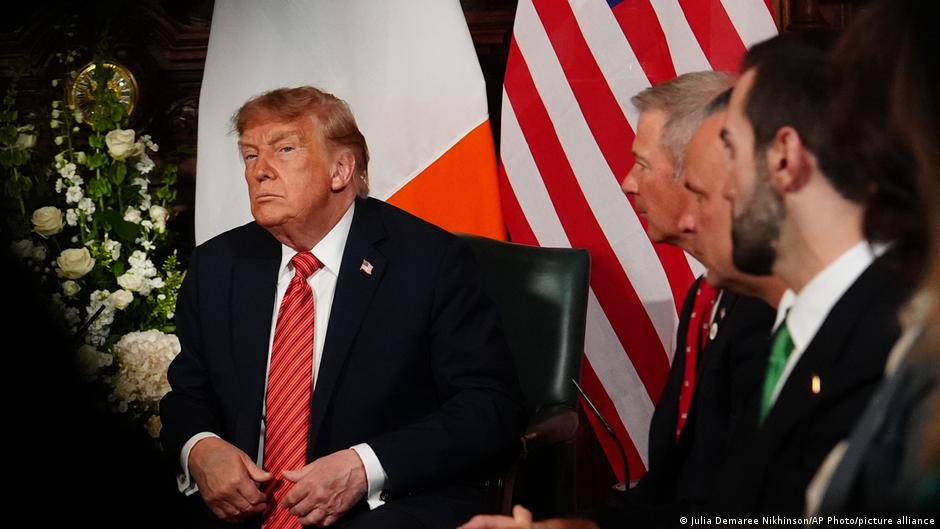
Historically, former President Donald Trump has threatened troop reductions in Germany multiple times, though US troop levels there ultimately increased during his tenure. The current move follows internal US deliberations indicating a potential partial withdrawal from Europe, subject to Congressional constraints that limit executive authority on troop deployments.
As the US adjusts its military posture in Germany, stakeholders in the fintech and digital economy sectors should watch closely for potential impacts on cybersecurity cooperation, digital payment security, and tech market dynamics shaped by defense-related developments.