US Delays Weapons Shipments to Europe Amid Iran Conflict Impact on Defense Supply Chains
US warnings of delayed ammunition deliveries to European allies highlight supply chain pressures amid Middle East tensions.
The United States has informed European allies, including the UK, Poland, Lithuania, and Estonia, of significant delays in weapons shipments as a direct consequence of efforts to replenish stockpiles depleted by ongoing conflict with Iran. This development has raised concerns about the stability of international defense supply chains and their cascading effects on allied military readiness.
Supply Chain Disruptions Amid Heightened Military Demand
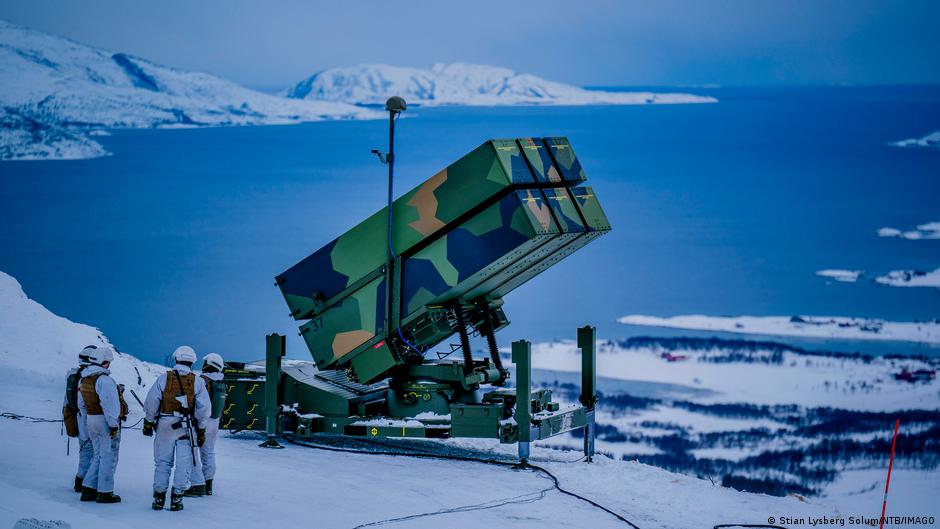
According to multiple insider reports, ammunition shortages affect key rocket systems such as the NASAMS (National Advanced Surface to Air Missile System) and HIMARS (High Mobility Artillery Rocket System), among other missile platforms. Discussions are underway about similar restrictions impacting Asian allies, notably Japan and South Korea.
The Pentagon has stated that it is "carefully evaluating" new equipment requests from allies alongside existing arms transfers to ensure alignment with operational priorities. These cautious measures underscore the complex balancing act between supporting partners and maintaining US strategic capabilities amid a volatile conflict landscape.
"Our partners dependent on NASAMS and HIMARS face unavoidable delays as we prioritize replenishing our own critical inventories," a defense official noted, emphasizing the challenge of managing finite supply chains during sustained military engagements.
Countries operating the NASAMS system include Taiwan, Norway, Finland, Spain, the Netherlands, Lithuania, Indonesia, Australia, Hungary, Ukraine, Denmark, Qatar, and Oman. HIMARS is employed by 14 US partners, among them Ukraine, Poland, and Estonia, highlighting the broad geographic impact of these supply constraints.
Geopolitical Implications and Export Approvals to Middle East Allies
While European partners confront delays, the US State Department has approved arms exports and military services exceeding $8.6 billion to Middle Eastern allies—Israel, Qatar, Kuwait, and the United Arab Emirates. Qatar leads with a $4 billion package, followed by Kuwait ($2.5 billion), Israel (approximately $1 billion), and the UAE ($150 million).
This expedited authorization was conducted under a special emergency procedure permitting the bypassing of congressional approval, cited as necessary due to the ongoing conflict with Iran. Despite President Donald Trump officially notifying Congress of the conflict’s conclusion, the administration justified the urgency of these transfers to sustain allied defense postures in a volatile regional environment.
Impact on Fintech, Digital Economy, and Defense Technology Sectors
The disruption in traditional weapons supply chains has notable implications for the fintech and digital economy sectors. Defense contractors and their financial backers must navigate increased volatility in defense contracts, affecting stock valuations and investor confidence in defense technology firms.
Moreover, the increased reliance on advanced missile systems and digital command-and-control platforms stimulates demand for cybersecurity solutions to protect sensitive military data. The strain on supply chains also opens opportunities for digital technologies such as blockchain to enhance transparency and traceability in defense procurement and logistics.
As global defense dynamics evolve, the intersection of military logistics and digital innovation grows increasingly critical, shaping strategic partnerships and investment flows in technology-driven defense markets.