Drones Strike Moscow Residential Building, Highlighting Emerging Cybersecurity Risks
A drone collided with a residential building in western Moscow amid intercepted UAV attacks, raising concerns over urban cybersecurity and digital defense.
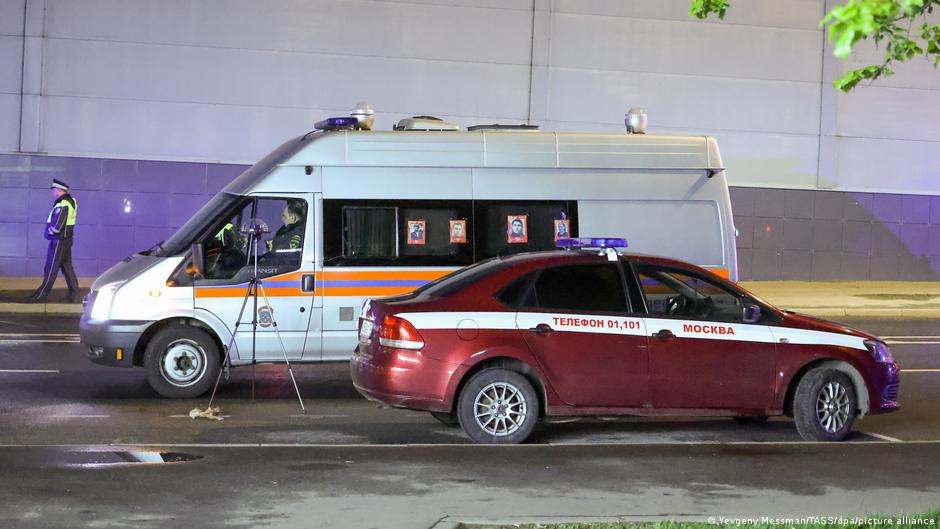
On the night of May 4, a drone crashed into a residential building on Mosfilmovskaya Street in western Moscow, causing facade damage and broken windows in several apartments. Emergency services responded promptly, and fortunately, no injuries were reported.
Moscow Mayor Sergei Sobyanin confirmed the incident on his Telegram channel, emphasizing that the affected building is an upscale residential complex located in the Ramenki district. Authorities have cordoned off the area and halted traffic near the scene to facilitate ongoing investigations and repairs.
Implications for Urban Digital Security and Fintech Infrastructure
Besides the physical damage, the incident underscores the increasing use of unmanned aerial vehicles (UAVs) in hostile urban environments, posing new challenges to cybersecurity and digital infrastructure. The mayor also noted that Moscow's air defense systems successfully intercepted and destroyed two additional drones flying toward the city, highlighting the growing reliance on sophisticated countermeasures.
"The safe interception of unauthorized drones is critical to protecting urban digital assets and the fintech ecosystem that increasingly depends on uninterrupted connectivity and secure operations."
This event signals potential vulnerabilities in Russia's digital economy, particularly concerning the fintech sector, which depends heavily on secure data transmission and uninterrupted financial services. The use of drones for unauthorized surveillance or attacks could jeopardize payment systems, digital banking platforms, and crypto exchange operations, all integral to Moscow's burgeoning digital economy.
Financial technology companies and cybersecurity firms must consider evolving threat models that include aerial drone incursions. Measures such as enhanced drone detection systems, integration of cybersecurity protocols with physical security, and real-time threat intelligence sharing could be essential in mitigating risks.
As urban centers become more digitized, the intersection of physical and cyber threats demands comprehensive strategies. Moscow's recent experience serves as an urgent call for fintech stakeholders and city planners worldwide to reassess their security frameworks amid rising drone-related challenges.