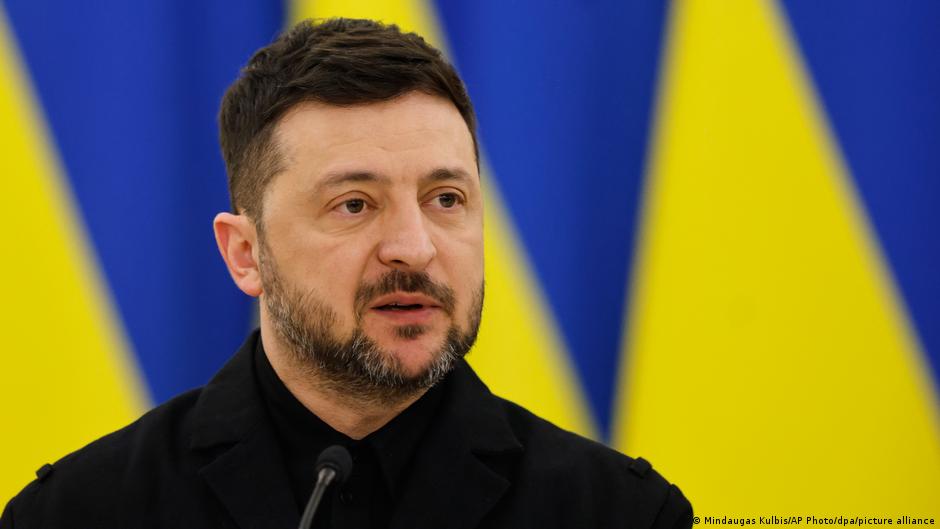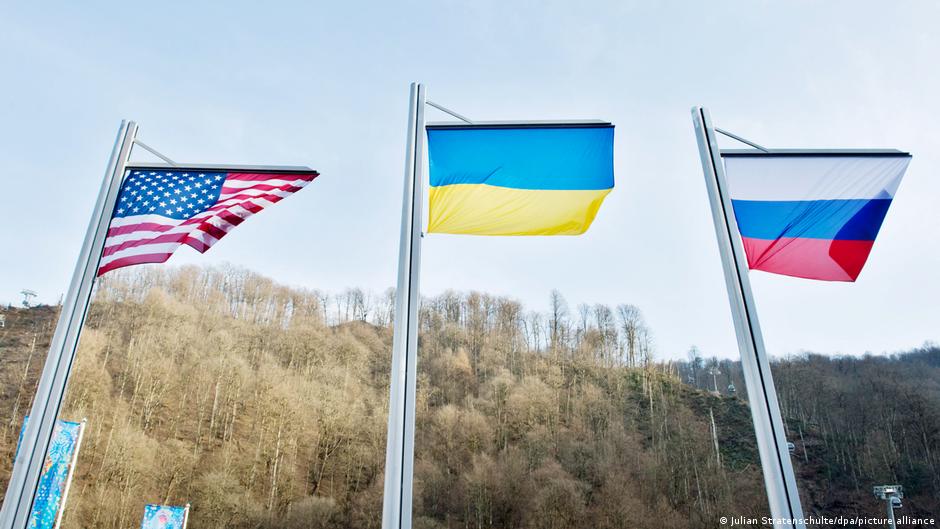
Zelensky Plans Late-September US Delegation Meeting on Energy and Food Security
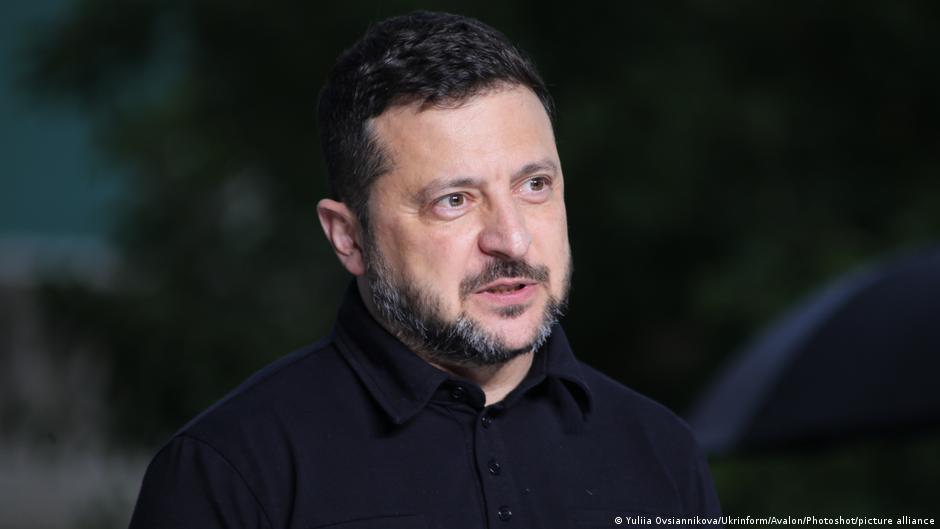
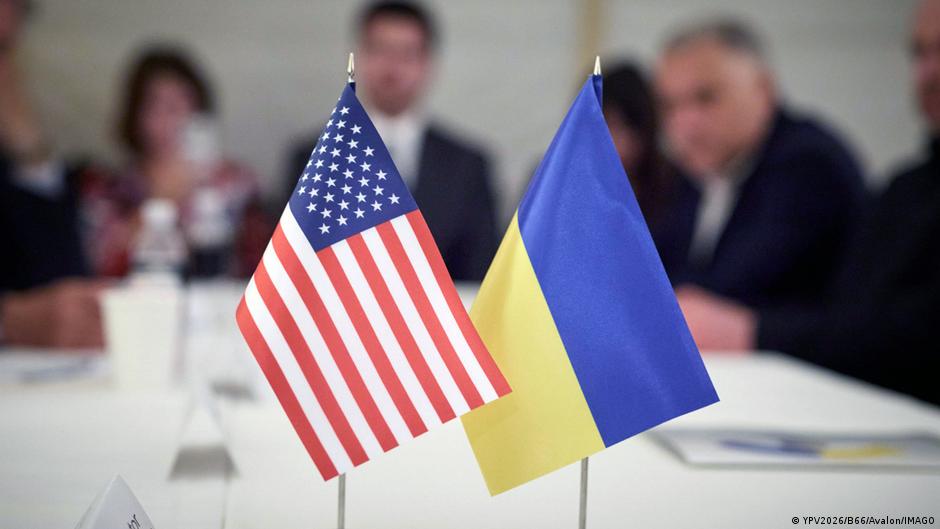
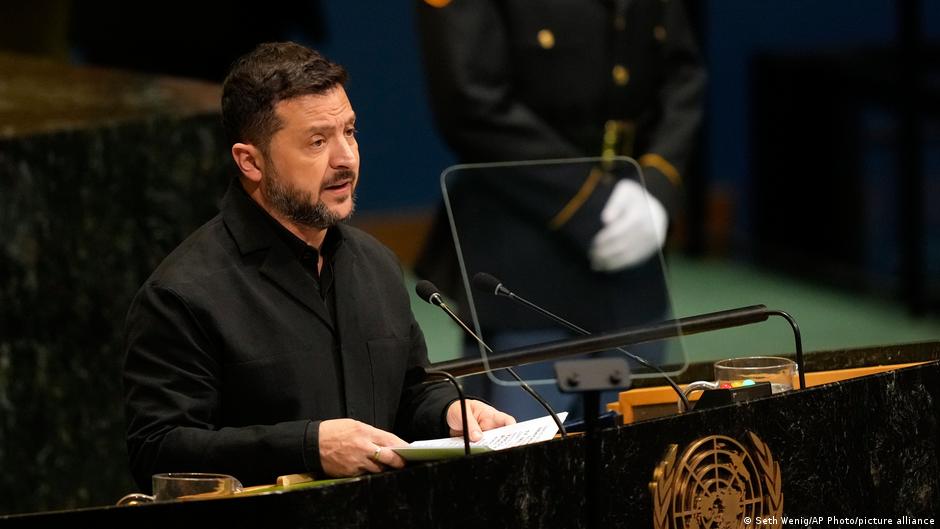
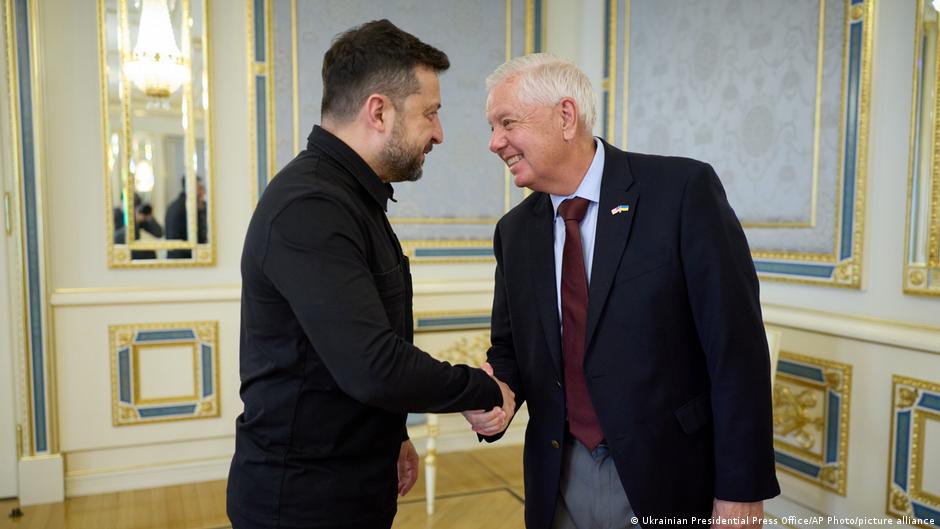
Zelensky says he expects a US delegation meeting by late September focused on energy and food security amid attacks on infrastructure.

Zelensky says he expects a US delegation meeting by late September focused on energy and food security amid attacks on infrastructure.

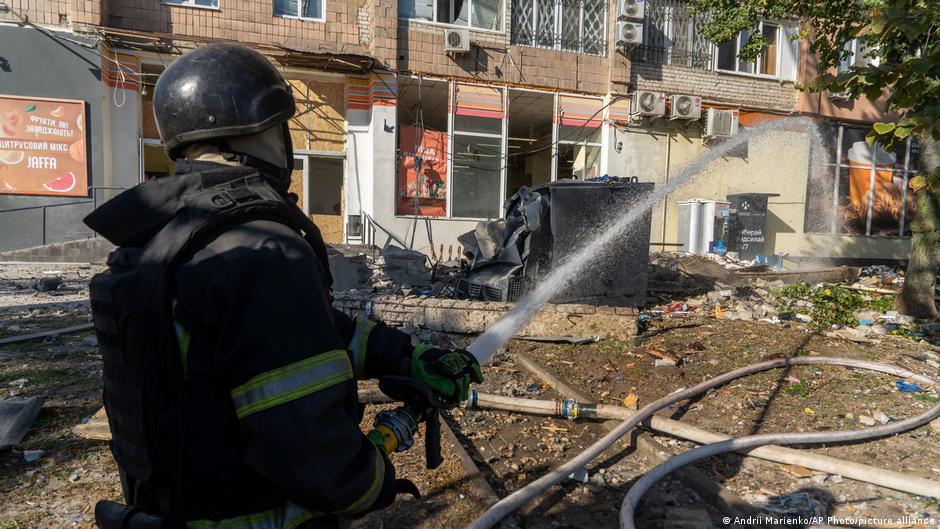
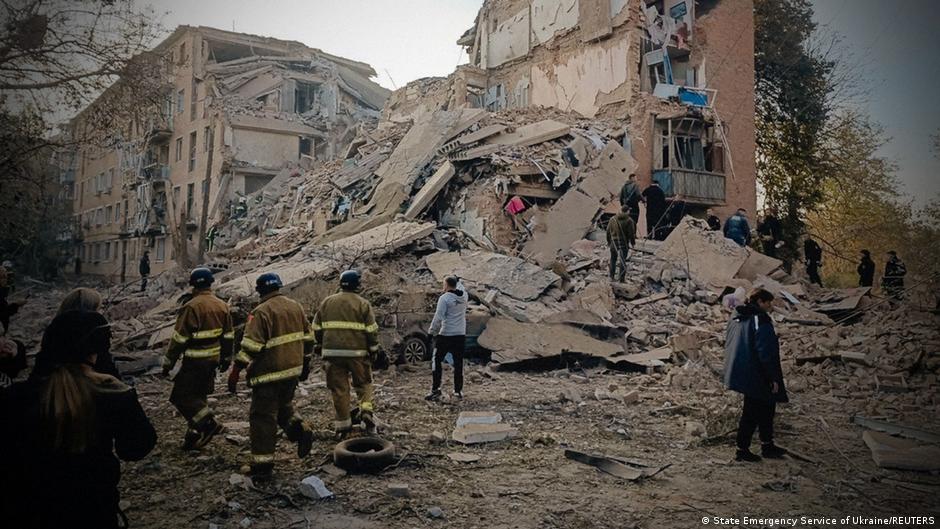
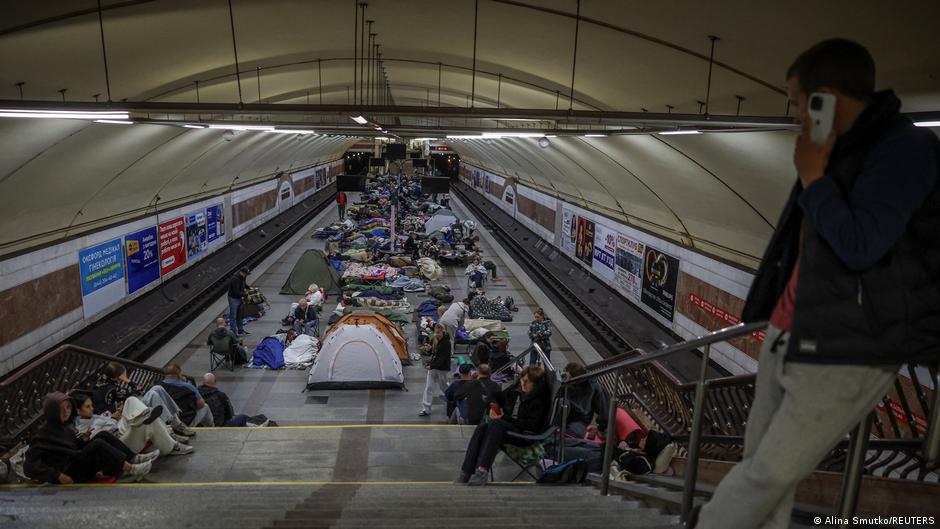
Kyiv reported injuries, fires and damage after Russian drone and missile strikes, adding pressure on payments, logistics and digital banking resilience.

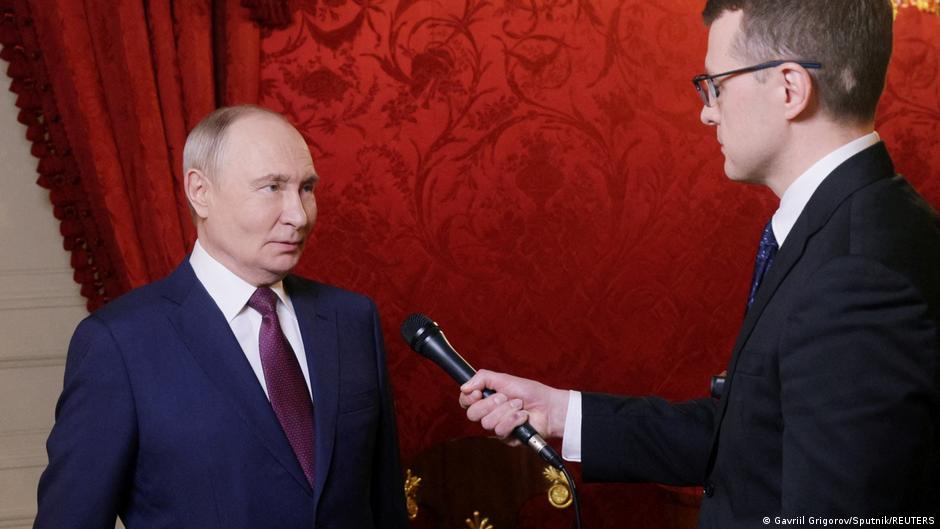
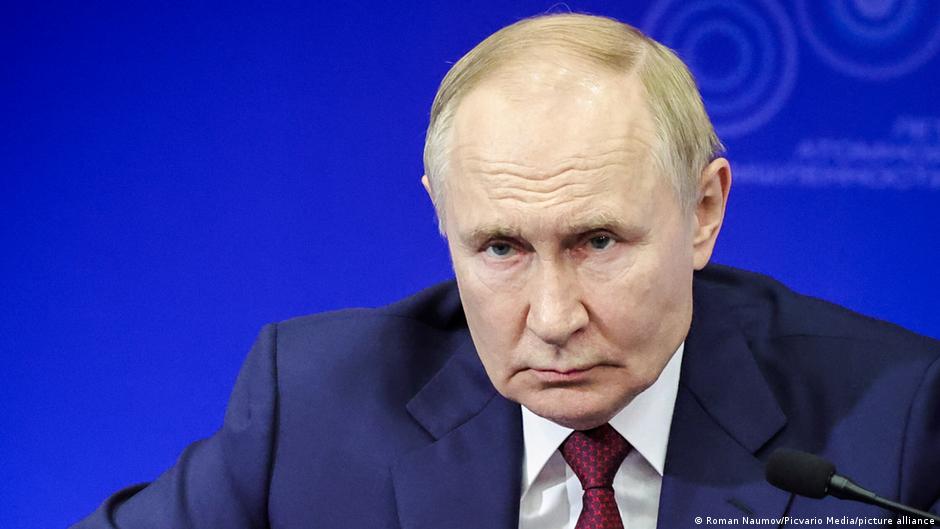
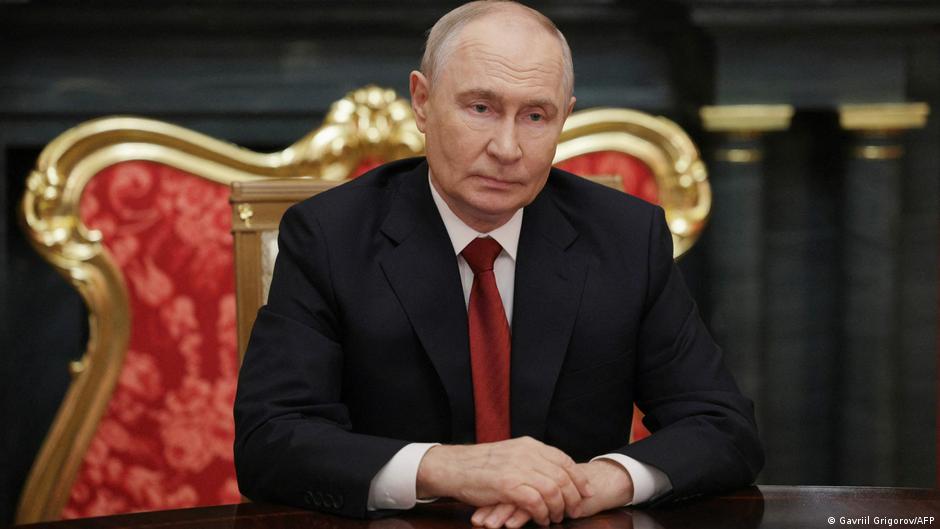
Putin backed using medically unfit volunteers for rear drone defense, signaling new pressure on Russia’s manpower, infrastructure and tech sectors.

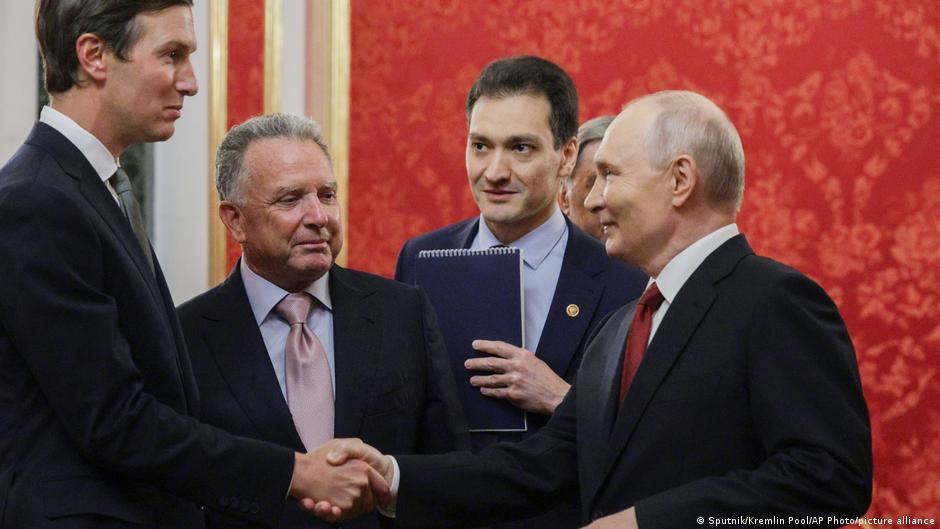
U.S. envoys discussed Ukraine peace plans with Putin and are heading to Kyiv, with fintech markets watching sanctions, payments and cyber risk.

NABU and SAP searched Ukraine’s prosecutor general’s office in a probe tied to scam call centers, asset laundering and suspected official protection.

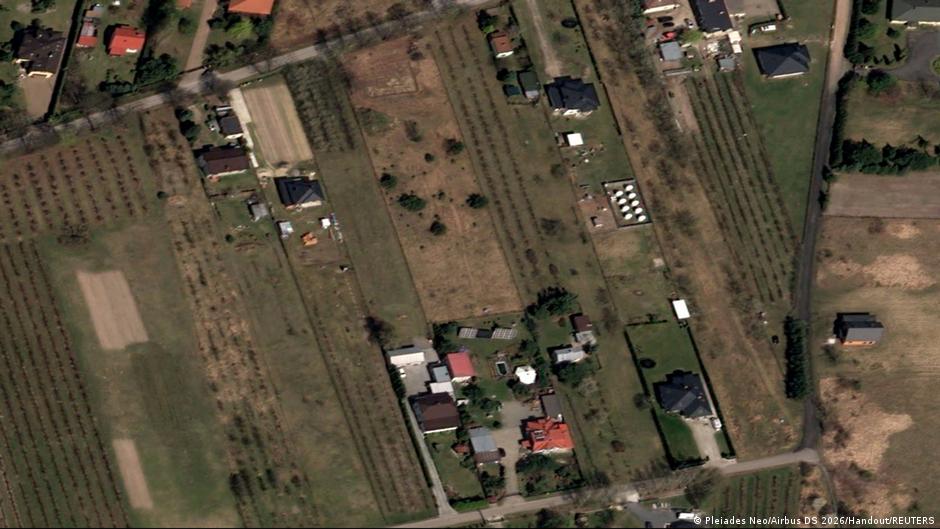
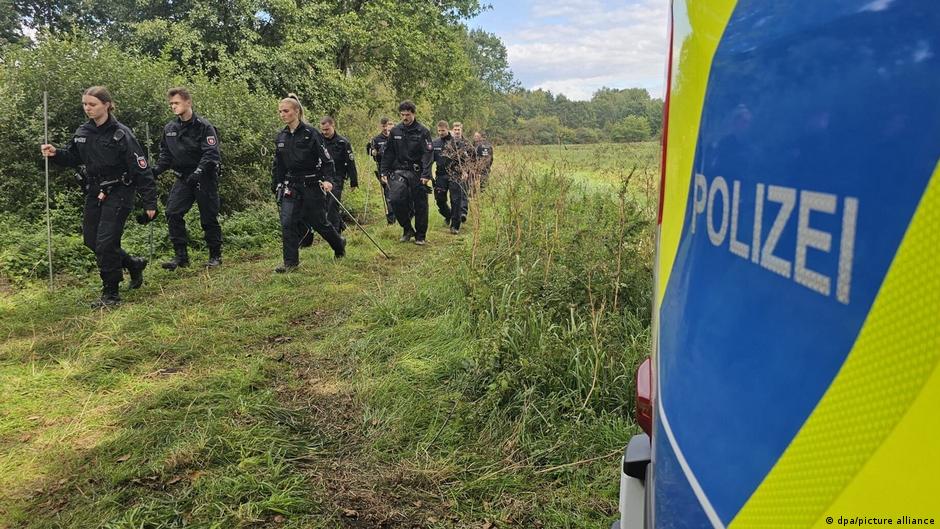
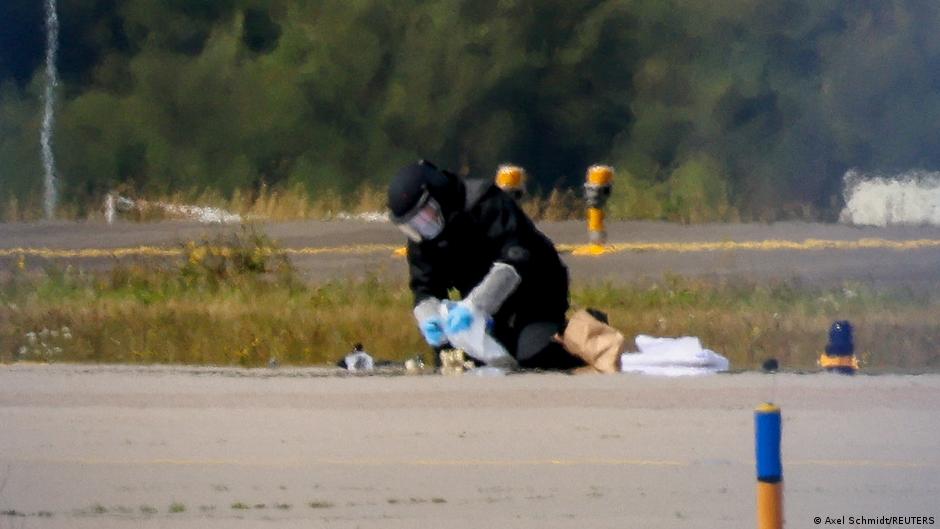
Latvia says a Leipzig sabotage suspect lived in Russia, as the case raises wider concerns over logistics security, sanctions enforcement and trade-related risk.

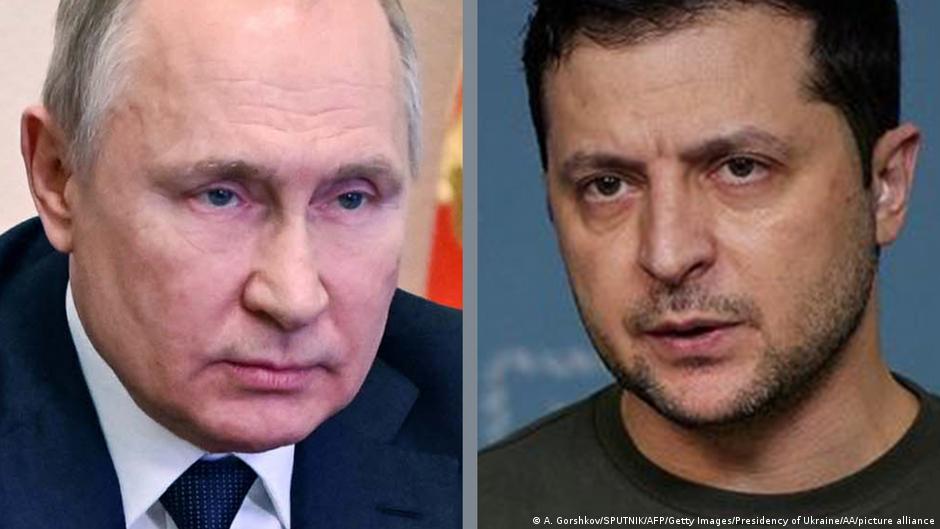
Putin said peace through diplomacy is possible, while Zelensky said U.S. envoys will visit Kyiv and Moscow to discuss a possible agreement.

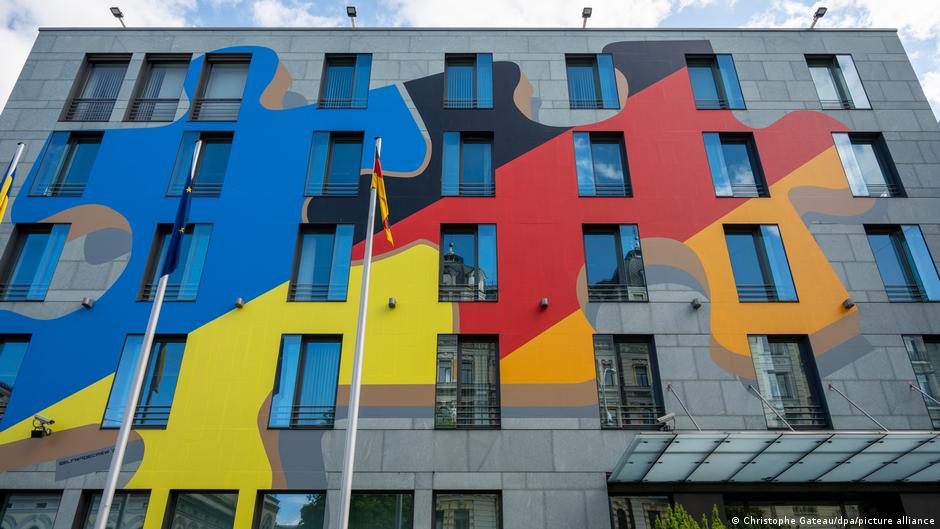
Russia says it will shut Goethe-Institut branches after Berlin tightened sanctions and moved against the Russian House, raising wider compliance signals.

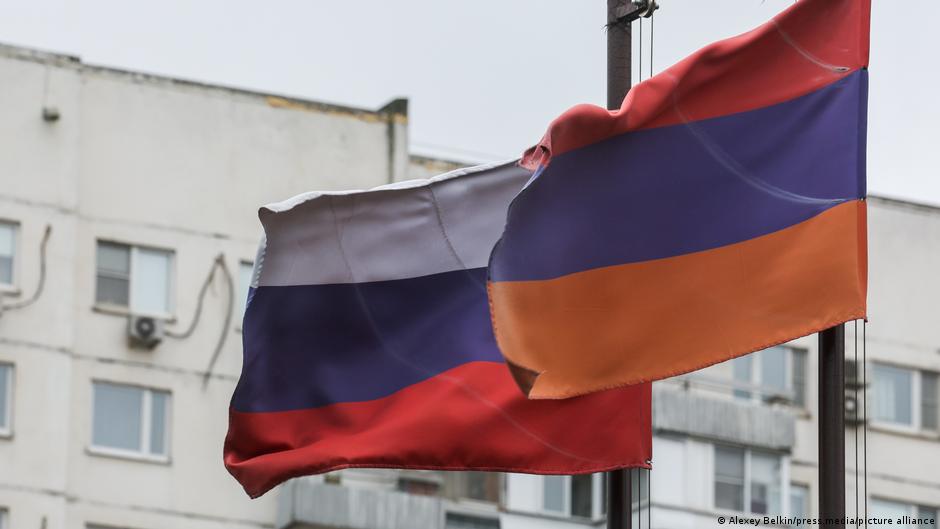
Putin told Pashinyan that Armenia’s move toward EU membership would amount to leaving the EEU, escalating a dispute with implications for trade and finance.

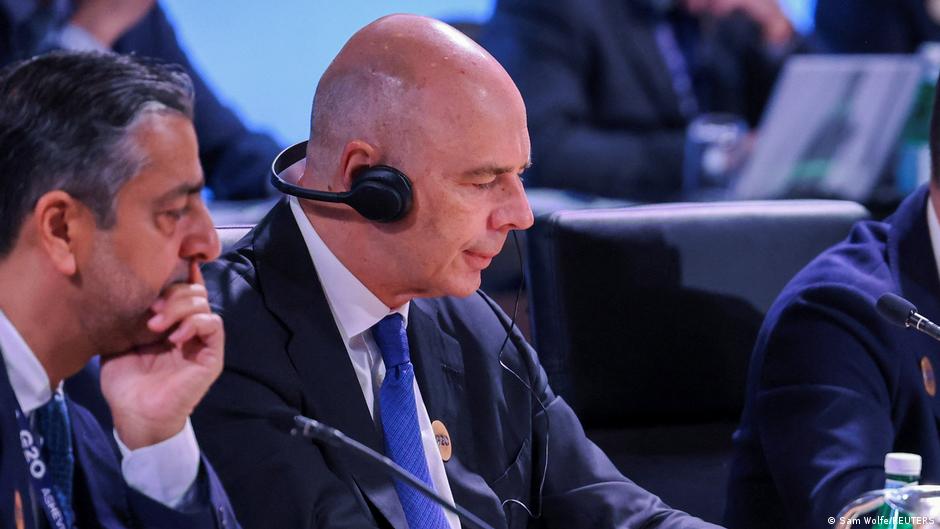
Reuters reports the U.S. told Russia at the G20 not to expect sanctions relief before the war in Ukraine ends, extending pressure across finance and payments.

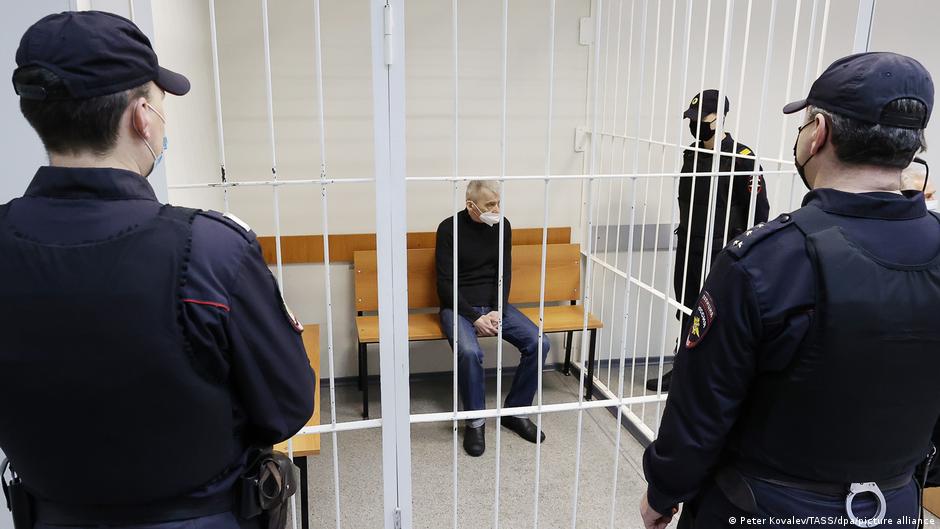
Ilya Remeslo, once a pro-Kremlin blogger, now faces up to 10 years in detention after criticizing Putin and the war, under charges of spreading fake news about the Russian military.

Russia's covert sabotage campaigns on European defense plants involve criminal groups paid via cryptocurrency, challenging NATO's cybersecurity and response strategies.

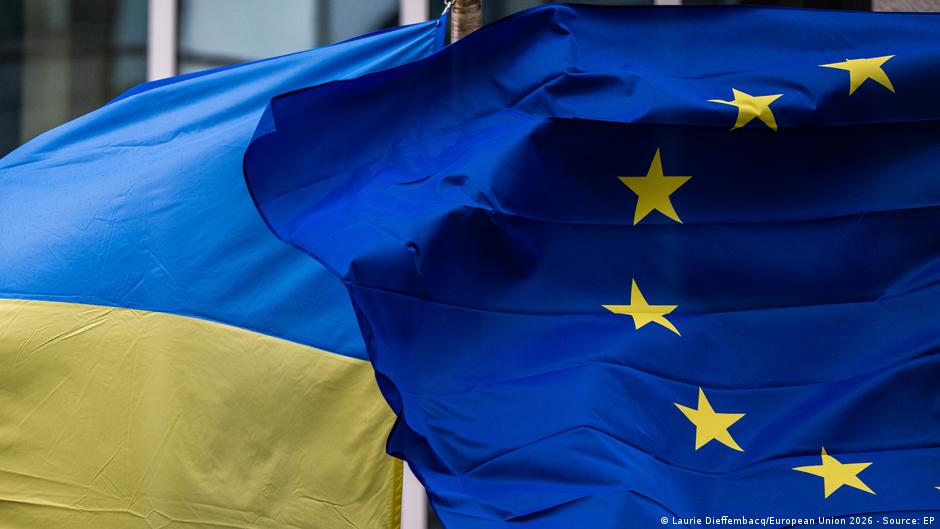
The EU pledges sustained support for Ukraine, emphasizing sanctions on Russia and prospects for Ukraine's EU integration, with implications for fintech and digital economy sectors.

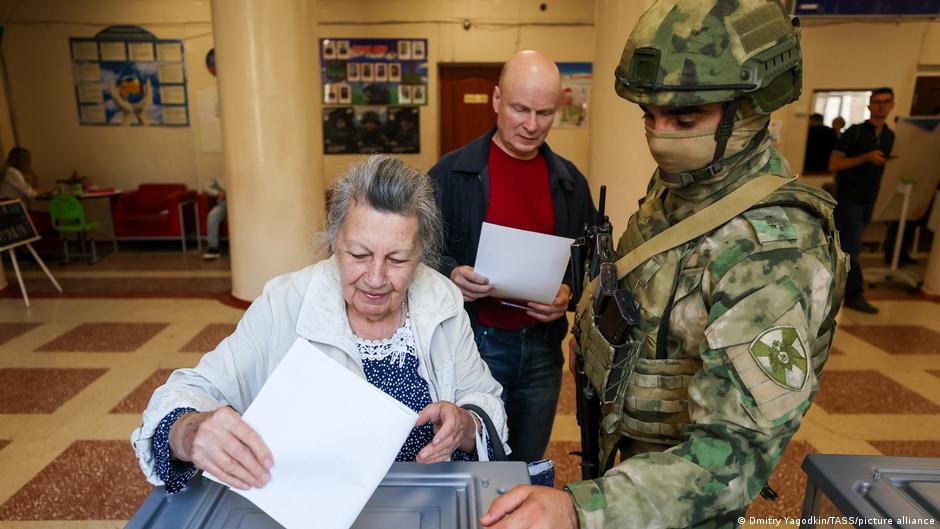
Russia’s election chief supports removing voting rights for emigrated citizens labeled as "foreign agents," raising implications for election security and digital governance.

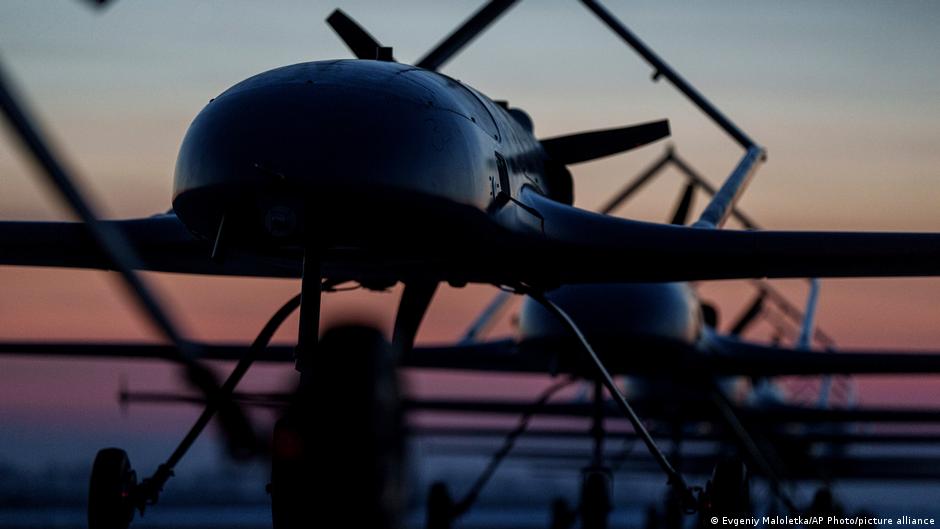
Over 180 drones were intercepted near Moscow amid mass UAV attacks disrupting infrastructure and airspace, raising security concerns for digital economy and fintech sectors.

Turkey resumed commercial ship transit through the Dardanelles after restrictions linked to Black Sea conflicts disrupted key maritime trade routes impacting regional and global commerce.

Drone attacks on Belgorod caused damage to residences and critical infrastructure, injuring 13 and exposing vulnerabilities in regional digital and energy systems.

Ukrainian and Serbian presidents met in Belgrade to discuss economic ties, energy cooperation, and security, signaling potential fintech and digital economy collaboration.

Lithuania warns Russia may use captured Ukrainian drones to attack Baltic critical infrastructure, posing risks to digital banking, payments, and cybersecurity.

Lieutenant General Igor Yerusalimov’s secret burial after the Moscow restaurant explosion highlights growing security threats to Russian military leaders amid ongoing conflict.

Drone attacks in Russia’s Kursk and Belgorod regions cause casualties and highlight critical infrastructure vulnerabilities, emphasizing the need for advanced security measures.

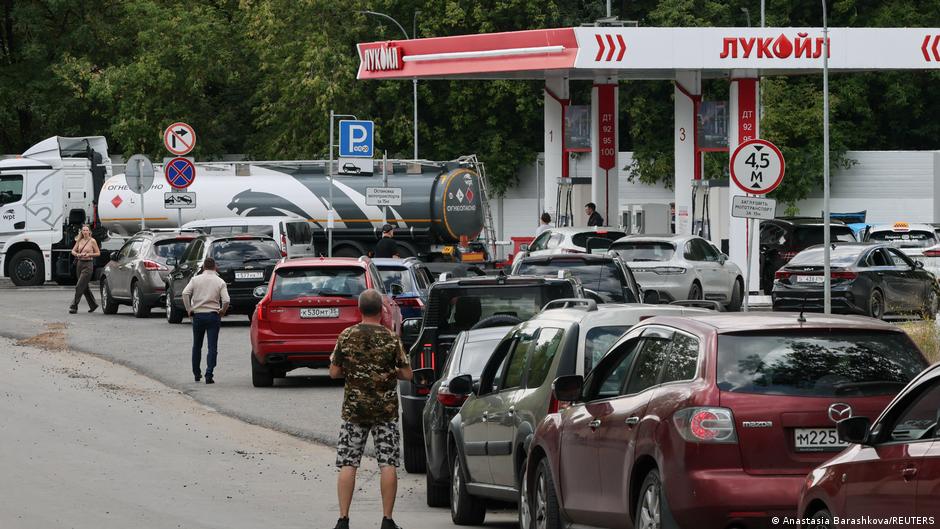
Russia extends permission for lower-grade fuel sales until 2027 amid refinery disruptions caused by attacks, impacting fuel supply, vehicle safety, and fintech-enabled payment systems.

Ukraine reports Russia’s use of a North Korean ballistic missile, urging allies to enhance air defense amid growing regional security and digital economy risks.

Greece's spike in Schengen visa denials for Russians challenges travel and fintech sectors amid stricter EU security policies impacting payments and digital banking.

Ukraine's president warns Russia plans expanded mobilization with 30,000 North Korean troops and missile support, raising regional security and fintech risk concerns.

The EU has summoned the Russian envoy after missile strikes on a Kyiv arms exhibition and Latvian consulate, highlighting growing concerns over drone warfare and digital defense technologies.
Montenegro will end visa-free entry for Russian and Belarusian citizens after October 2026, impacting fintech, digital payments, and cross-border economic ties amid EU integration efforts.

Wildberries logistics centers in Saint Petersburg, Tver, and Crimea were attacked, disrupting Russia's e-commerce supply chains and highlighting vulnerabilities in the digital economy.

Ukrainian drone strikes on Russian logistics centers and urban areas disrupt supply chains, highlighting vulnerabilities in critical infrastructure and digital economy security.

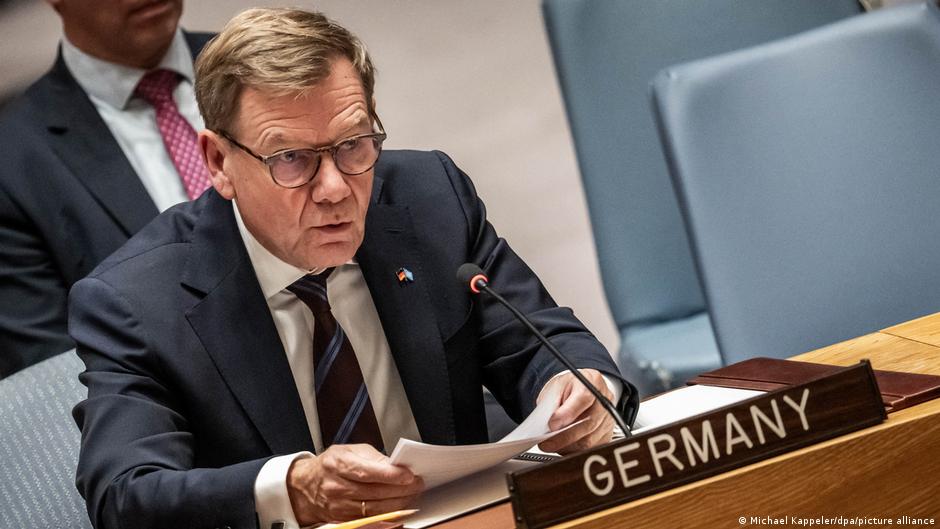
German President Steinmeier urges Europe to uphold international order amidst geopolitical challenges, emphasizing the impact on digital economy, fintech, and cybersecurity.

Russian missile strikes on Kyiv damage critical infrastructure, raising concerns over fintech resilience, cybersecurity, and economic stability amid ongoing conflict.

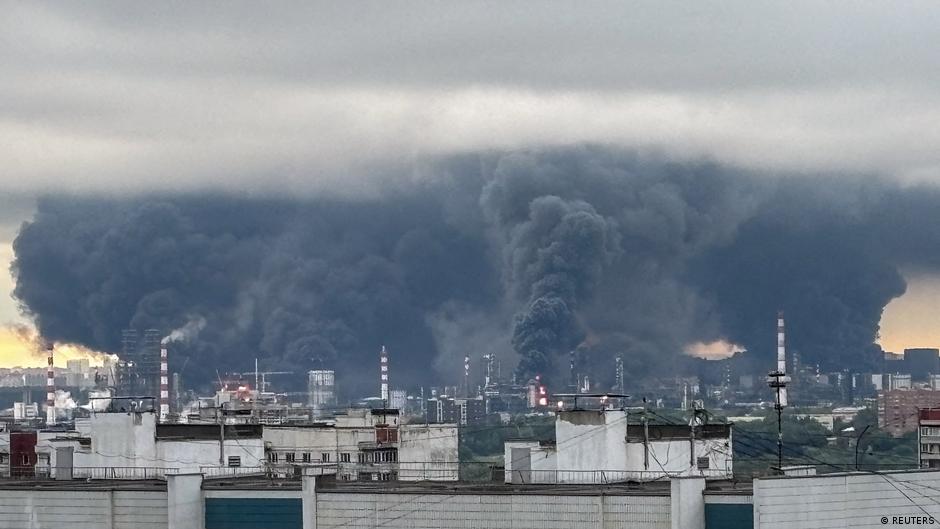
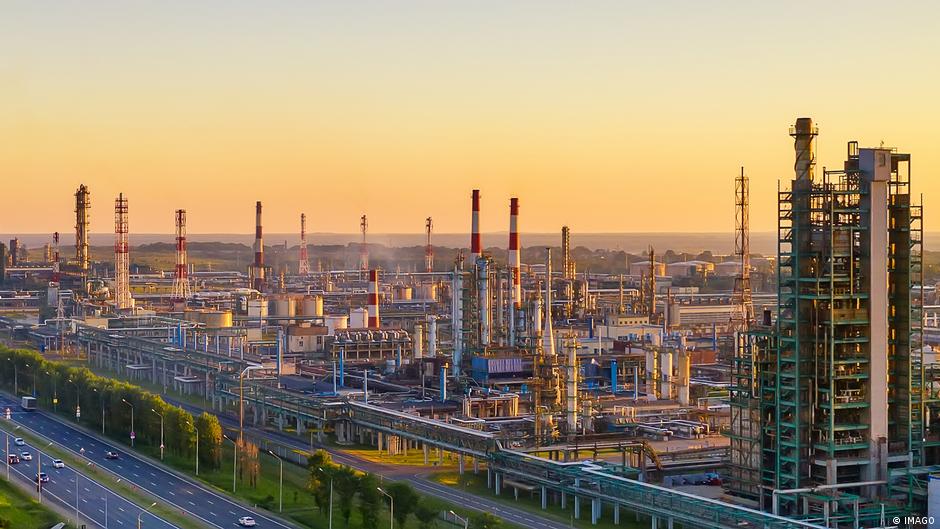
The Saratov oil refinery in Russia has ceased operations after drone attacks damaged key processing units, intensifying fuel shortages and impacting the digital economy.

Fuel prices in Crimea nearly doubled in early July amid Russia's export ban on diesel and ongoing supply shortages affecting energy markets and digital payment trends.

Latvian President Edgars Rinkēvičs urges NATO to prepare for possible escalation with Russia, highlighting the need for stronger military capabilities and US partnership.

Russia authorizes use of higher-sulfur Euro-3 fuels domestically until 2026 to address supply disruptions caused by attacks on refineries, excluding exports to EAEU states.
Russian drone and missile strikes in Ukraine fell 29% and 15% respectively in June, signaling potential shifts in military tactics and industrial constraints amid ongoing conflict.

France enforces stricter visa rules for Russians, requiring personal submissions and biometrics, impacting fintech services linked to cross-border payments and digital identity.

Russia's aviation fuel imports from Belarus surged amid domestic production declines and refinery disruptions, prompting export bans and regional fuel sales restrictions.

Russian anti-war activist Ilya Shkolny was granted asylum in Germany after multiple rejections, highlighting challenges for political refugees amid ongoing geopolitical tensions.

Russia closes Romania’s consulate in Saint Petersburg in retaliation for Romanian closure of Russian consulate after a drone incident in Galați, highlighting rising geopolitical and security tensions.

France and Italy question the EU's proposed ban on Russian combatants' entry, fearing it may extend to all Russian nationals, complicating fintech compliance amid sanctions.

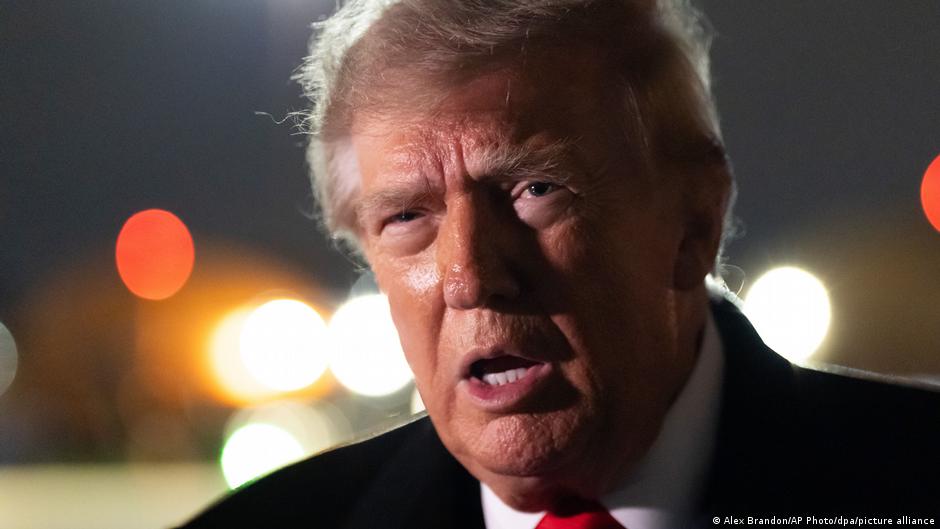
Former President Trump praised Zelensky's resilience in the Russia-Ukraine war and criticized European diplomatic stances, highlighting potential impacts on global fintech and economic stability.

A drone attack on the Poltava oil depot near Krasnodar caused fires and highlighted vulnerabilities in regional energy infrastructure affecting fintech and digital economy stability.

Russia’s maritime oil exports hit a record high since early 2026 amid US sanctions easing for Iran, pressuring global prices and intensifying competition on markets like India.
Germany urges Turkey to exclude Russian gas in future EU energy deals, impacting fintech and digital payments as Turkey aims to become a regional gas hub.

Drone attacks in Russia's Tula Region cause civilian deaths and industrial fires, exposing vulnerabilities in defense and commercial infrastructure amid ongoing cyber-physical threats.

Iran has replenished its missile arsenal to three-quarters of pre-conflict levels, likely aided by Russian weapons transfers during a truce with the US, impacting regional security and energy markets.

Coordinated drone attacks caused fires at Russian chemical plants and residential sites, revealing heightened threats to industrial infrastructure and prompting broad security responses.

Ukrainian President Zelensky held a positive discussion with US envoys, signaling intensified diplomatic efforts to end the Russia-Ukraine war amid broader economic and security implications.

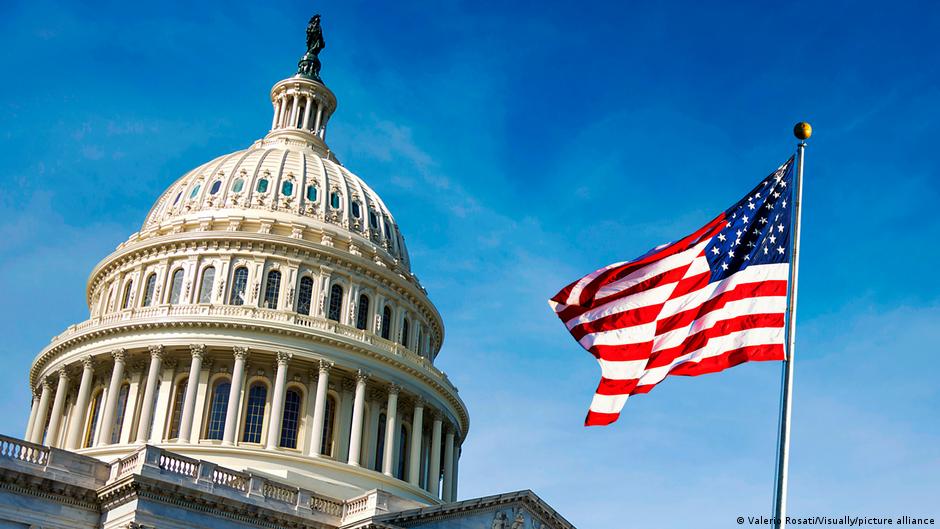
The US House has passed a bill boosting military aid to Ukraine and expanding presidential powers to impose sanctions on Russia, pending Senate approval.