Russian Regions Reinstate Petrol Limits as Refinery Attacks Hit Supply Chains
Kaluga and Transbaikal have restored fuel rationing, highlighting how energy disruption can ripple into payments, logistics and the digital economy.
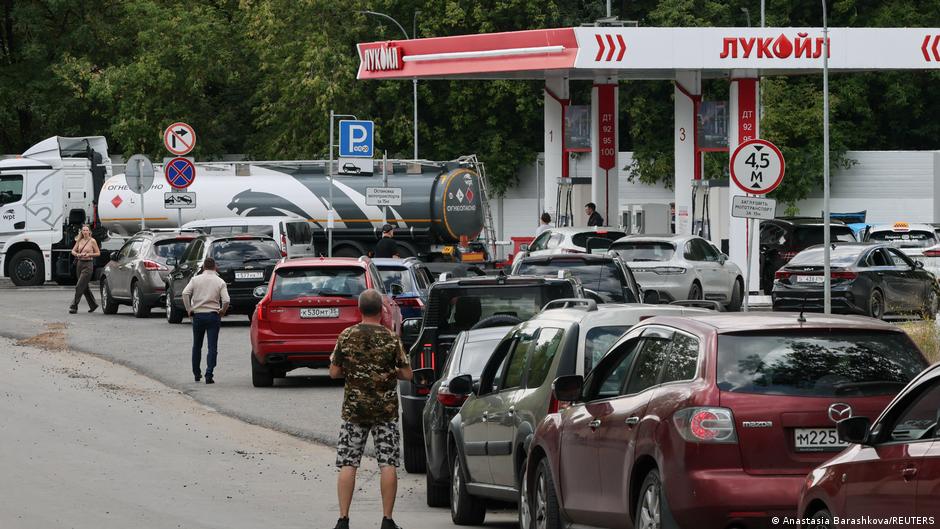
Authorities in Russia’s Kaluga region and the Transbaikal Territory are again introducing restrictions on petrol sales after intensified Ukrainian attacks on Russian oil refineries disrupted fuel supply. The measures, announced on Tuesday, September 22, take effect on September 23 and mark another sign that the country’s fuel market is entering a renewed period of stress after temporary relief earlier in the summer.
In the Kaluga region, which borders Moscow and the Moscow region, drivers will once again be allowed to refuel on alternating days depending on whether the first digit of a vehicle’s registration number is even or odd. Petrol may be dispensed only into the vehicle’s tank, limiting the ability of consumers or businesses to stockpile fuel in canisters.
Regional governor Vladislav Shapsha said the restrictions were being restored because of local disruptions in fuel logistics and the return of queues at petrol stations.
“We are now recording local logistical disruptions in fuel supplies to individual petrol stations. Queues have returned. This is causing justified dissatisfaction,” Shapsha wrote on Telegram.
The Kaluga region had previously introduced even-odd petrol sales rules on August 15. Those restrictions were lifted on September 1, but the latest disruption has forced the regional authorities to bring them back less than a month later.
Fuel Rationing Reaches the Far East
In the Transbaikal Territory, the regional operational headquarters also announced new restrictions from September 23. Filling station networks BRK and Kors will impose a limit of 15 liters of AI-92 and AI-95 petrol per vehicle. Buyanto Batomunkuyev, the first deputy chairman of the regional government, said the decision reflected the level of remaining fuel stocks.
According to Batomunkuyev, total fuel reserves at filling stations and oil depots stand at 17,000 tons, which “at the current rate of release will last only 20 days.” Similar limits had been introduced in the region in June and were lifted on July 23.
The return of rationing in two geographically distant regions underlines the wider strain on Russia’s fuel distribution system. Restrictions on fuel sales, imposed either by regional authorities or by filling station networks themselves, were introduced during the current summer in almost all Russian regions, as well as in annexed Crimea. Supply problems prompted Russian President Vladimir Putin on June 28 to order systemic measures to stabilize the market.
Digital Economy Exposure
For financial and technology markets, the immediate issue is not only the availability of petrol. Fuel rationing can also affect the infrastructure of Russia’s digital economy: courier networks, cash logistics, point-of-sale servicing, data center backup supply chains, and field operations for banks, telecoms and payment providers all depend on predictable transport and fuel access.
Queues at petrol stations also place pressure on everyday digital payments infrastructure. Higher demand at a smaller number of functioning or supplied stations can produce surges in card transactions, mobile payment attempts and fuel app usage. At the same time, logistical uncertainty can complicate settlement, reconciliation and merchant risk management for fuel retailers and their payment processors.
The renewed restrictions also matter for digital banking and consumer finance. If fuel shortages persist or widen, households and small businesses may shift spending patterns toward essential mobility costs. That can affect transaction volumes, credit demand and delinquency risks in regions where transport costs are a significant part of daily economic activity. For banks with exposure to small merchants, taxi fleets, delivery firms or agricultural and industrial transport, local fuel rationing becomes a practical operating risk rather than a distant energy-market headline.
The cybersecurity dimension is indirect but relevant. Fuel infrastructure, refinery operations and logistics networks have become part of a broader conflict environment in which physical disruption and digital systems are closely linked. The article identifies Ukrainian drone attacks on Russian refineries as the cause of the fuel deficit. Those strikes and subsequent fires forced some enterprises to reduce output or halt production entirely. As fuel distribution tightens, operators of energy, transport and payment systems face higher pressure to keep digital services stable during physical supply disruptions.
Second Wave of Crisis
The current shortages follow attacks on Russian refineries by Ukraine, which has been defending itself for more than four years against Russia’s military invasion. After earlier refinery strikes and fires, production was cut or fully suspended at some facilities. Restrictions were later lifted, but from early August Ukrainian attacks on refineries intensified again, and Russia was hit by what the source describes as a second wave of the fuel crisis.
By mid-September, the petrol deficit in Russia had worsened. Fuel was unavailable at almost every second filling station, according to Novaya Gazeta Europe, which cited data from the gdebenzin service.
For investors tracking Russian economic resilience, the reintroduction of rationing in Kaluga and Transbaikal is a signal that regional supply constraints remain unresolved despite earlier attempts at stabilization. Energy shortages can feed into transport costs, inflation expectations and operating uncertainty for companies dependent on physical distribution. In turn, that affects the financial technology layer built on top of retail, logistics and mobility: acquiring, instant payments, digital wallets, fleet cards, lending and merchant services.
The latest measures do not create a single nationwide rationing regime, but they show how refinery disruptions are being translated into local controls over consumer access to fuel. For the digital economy, the key question is whether these constraints remain isolated logistics problems or become a recurring drag on payments activity, delivery networks, banking operations and technology-linked equities exposed to Russian consumer and infrastructure demand.