U.S.-Iran UN Talks Put Hormuz, Sanctions and Market Risk Back in Focus
A mediated three-hour meeting in New York raised prospects for diplomacy while keeping energy flows, frozen assets and geopolitical risk central for investors.
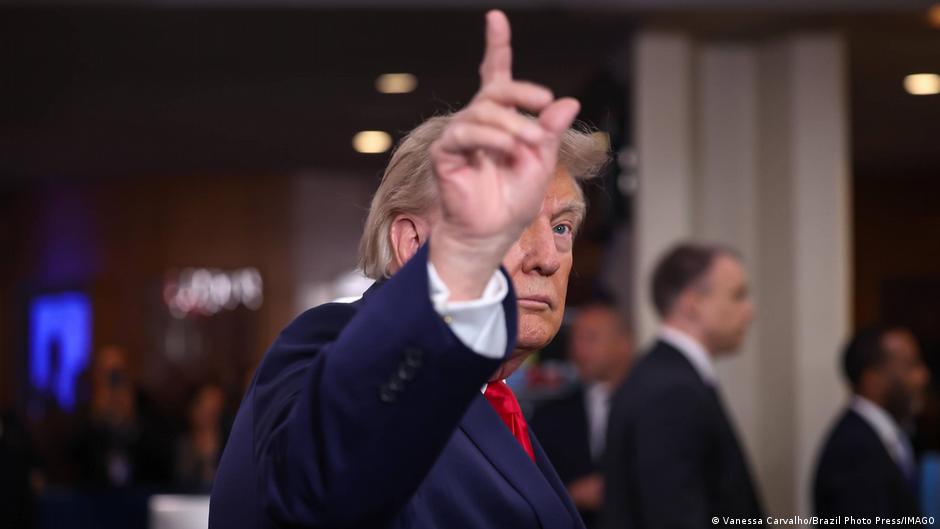
U.S. and Iranian officials held their first reported meeting in months on the sidelines of the 81st session of the United Nations General Assembly in New York on Tuesday, September 22, in a development closely watched by energy traders, payments firms, banks and technology investors exposed to Middle East risk.
U.S. President Donald Trump said the talks, conducted through intermediaries, lasted around three hours and were “very productive.” The meeting came earlier the same day that Trump had threatened Iran with destruction in remarks to world leaders at the UN, underscoring the sharp contrast between public brinkmanship and back-channel diplomacy.
On the U.S. side, Trump’s special envoys Steve Witkoff and Jared Kushner took part in the negotiations. Iran was represented by Foreign Minister Abbas Araghchi. The meeting was mediated by Qatar and Pakistan, according to The New York Times, with representatives moving between the sides during the day.
“A round of discussions was successfully completed, which we hope will prove constructive and forward-looking. The mediators will continue their work,” Witkoff later wrote on X.
For financial markets, the immediate significance lies less in the tone of the diplomatic statements than in the topics reportedly on the table: shipping through the Strait of Hormuz, U.S. maritime restrictions, Iranian assets frozen under sanctions, and the risk of further military action. Each of those issues carries implications for cross-border payments, correspondent banking, crypto flows, energy-linked inflation, cybersecurity exposure and technology stocks sensitive to geopolitical volatility.
Hormuz Conditions Carry Digital Economy Implications
Iranian state media reported that Tehran used the talks to inform Washington of its conditions for resuming shipping through the Strait of Hormuz. Those conditions included the immediate end of a U.S. maritime blockade, the unfreezing of all Iranian assets frozen because of sanctions, and the cessation of any military actions.
The Strait of Hormuz remains one of the world’s most strategically important maritime routes. Any disruption there can ripple rapidly through oil and gas markets, affecting inflation expectations, central bank assumptions and consumer spending. For fintech companies and digital banks, those macroeconomic shifts can influence transaction volumes, borrowing demand, card spending, remittance corridors and foreign-exchange activity.
The sanctions component is equally important for the financial technology sector. If negotiations eventually move toward unlocking assets or easing restrictions, banks and payment processors would face a complex compliance environment. They would need to distinguish between political announcements, formal sanctions changes and the practical ability to process transactions involving Iranian-linked entities. Until legal frameworks change, compliance systems, screening vendors and risk teams would remain under pressure to prevent prohibited flows.
For crypto markets, any discussion involving sanctioned assets and restricted financial channels is also significant. Digital assets are often scrutinized during periods of sanctions stress because they can be used for legitimate hedging and cross-border settlement, but also raise enforcement concerns. The source article does not indicate that crypto was discussed in the meeting, but the sanctions and asset-freeze issues at the center of the talks are directly relevant to the regulatory climate facing exchanges, stablecoin issuers and blockchain analytics firms.
Cybersecurity and Tech Stocks Face a Geopolitical Premium
The meeting also matters for cybersecurity risk. Periods of heightened confrontation between Washington and Tehran have historically increased concern among companies, banks and critical infrastructure operators about cyber activity. The article does not report any cyber incident connected to the talks, but the combination of military threats, maritime tension and sanctions enforcement is the type of environment in which security teams typically reassess exposure.
That risk feeds into the technology equity narrative. Investors in cybersecurity firms may see geopolitical tension as a source of demand for defensive software, managed detection services and identity protection. At the same time, broader tech stocks can suffer when energy risk raises inflation concerns, pushes up uncertainty, or leads investors to reduce exposure to high-growth assets.
Trump said during a meeting with leaders of Persian Gulf countries on the sidelines of the UN General Assembly that there was “great momentum” toward reaching an agreement with Iran, AFP reported. That comment offered a more constructive signal after his earlier UN remarks, in which he framed the issue as a choice between a deal that would allow Iran to recover and become a more powerful state, or destroying the Islamic Republic quickly so it would never again have a chance to kill people and destroy countries.
According to AFP, the Iranian delegation left the hall during Trump’s speech. The walkout highlighted the fragility of the diplomatic track even as the later mediated talks were described by the U.S. president as productive.
For markets, the contradiction is familiar: escalation risk and negotiation can move in parallel. A three-hour mediated discussion may reduce the probability of immediate confrontation, but the unresolved demands around Hormuz, frozen assets and military action remain substantial. Payment networks, digital banks and fintech platforms operating across borders will therefore continue to watch not only political rhetoric but also formal changes in sanctions rules, maritime access and banking permissions.
The next signal will likely come from the mediators. Witkoff said they would continue their work, but the source article reported no final agreement, timetable or concrete implementation mechanism. Until those emerge, the meeting is best understood as an opening in a high-risk channel rather than a settlement.
For investors, the practical takeaway is that U.S.-Iran diplomacy has returned to the center of the digital economy risk map. Energy prices, sanctions compliance, cross-border liquidity, cybersecurity posture and technology valuations could all be affected if the talks progress, stall or collapse.