Zelensky Says North Korea Plans to Send 10,000 More Troops to Russia
Ukraine says North Korea is preparing another deployment to Russia, a development with implications for sanctions, payments channels and geopolitical risk.
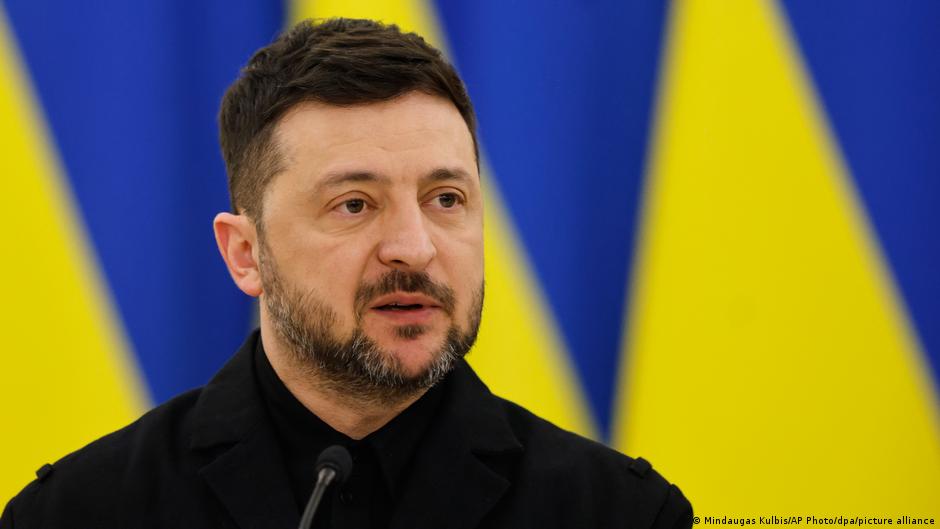
Ukrainian President Volodymyr Zelensky said North Korea is preparing to transfer about 10,000 more troops to Russia, citing new intelligence from Ukraine’s military intelligence agency. More than 8,000 North Korean soldiers are already on Russian territory, he said in his evening address on Monday, September 28.
The statement adds a new layer of geopolitical risk for governments, financial institutions and technology investors already tracking the economic fallout from Russia’s war against Ukraine. Any expansion of North Korean military involvement could increase scrutiny of cross-border payments, sanctions enforcement, cryptocurrency flows and the financial infrastructure used by states under heavy restrictions.
According to Zelensky, the North Korean personnel are now being selected for training and later transfer to Russia. He said Moscow plans to increase the recruitment of foreign nationals for participation in the war against Ukraine.
“It is important that the governments of countries from which Russia draws people into its army counteract this. We will inform every government,” Zelensky said.
Sanctions Pressure Extends to Payments and Crypto
For the digital economy, the claim points to a familiar problem: military escalation can quickly become a compliance challenge for banks, fintech platforms, crypto exchanges and payment processors. North Korea and Russia are both closely watched by Western regulators, and any deeper cooperation between the two raises questions about how money, technology and military support are moving across borders.
South Korean intelligence has estimated that North Korea has already sent about 15,000 troops to support Russia in the war. In exchange, Pyongyang is believed to be receiving money, military technologies and security guarantees from Moscow. Zelensky said in August that North Korea intended to deploy between 30,000 and 50,000 fighters on Russian territory.
Those figures, if borne out, would signal not only a larger battlefield role for Pyongyang but also a broader economic relationship between Moscow and North Korea. For financial firms, the concern is less about troop numbers in isolation than about the channels that may enable compensation, procurement and technology transfer. Sanctions regimes typically depend on banks, intermediaries, shipping documentation, correspondent networks and digital payment records to detect and block prohibited activity.
Crypto platforms could also face renewed attention. North Korea has long been associated by Western officials and cybersecurity researchers with illicit cyber activity and attempts to raise hard currency outside the conventional banking system. Russia, meanwhile, has faced extensive financial restrictions since its full-scale invasion of Ukraine. A deeper military arrangement between the two could sharpen regulatory focus on blockchain analytics, exchange compliance and transaction-monitoring controls.
Cybersecurity and Technology Stocks Face Geopolitical Signals
The reported plans also matter for technology and cybersecurity companies because the war has repeatedly blended conventional military operations with digital pressure campaigns. While Zelensky’s statement focused on troop deployments, not cyber operations, investors often treat such developments as indicators of widening state coordination among sanctioned or isolated governments.
That can affect sentiment around cybersecurity stocks, defense technology, cloud security vendors and companies supplying compliance tools to banks and exchanges. Escalation involving North Korea may increase demand for sanctions-screening systems, identity verification, fraud detection and threat-intelligence products, especially among firms exposed to cross-border finance.
Digital banking groups operating in Europe and Asia may also face practical burdens if governments respond with new advisories or enforcement actions. Even without new sanctions, compliance departments could be expected to reassess counterparties, high-risk jurisdictions and unusual transaction patterns linked to Russia, North Korea or intermediaries operating near either country.
The latest remarks came as Kyiv and Seoul were already in a diplomatic dispute over the handling of information related to North Korean soldiers captured during fighting in Russia’s Kursk region. South Korean President Lee Jae Myung sharply criticized Ukrainian authorities several days earlier, saying Zelensky had violated a confidentiality agreement by publicly disclosing the transfer to Seoul of two North Korean soldiers taken prisoner by Ukrainian forces.
Zelensky’s office responded that no agreement existed between the two countries to withhold that information. Seoul called that claim false. On September 28, South Korea’s foreign ministry summoned Ukraine’s acting ambassador. According to Yonhap, a deputy foreign minister conveyed Seoul’s firm position on the matter to the Ukrainian diplomat.
The disagreement is significant because South Korea is one of the countries with direct intelligence interest in North Korean deployments and one of the world’s most important technology economies. Seoul’s position can influence how allied governments assess intelligence disclosures, coordinate sanctions and manage sensitive information involving North Korea.
For markets, the immediate question is not whether Zelensky’s remarks will move payments or tech stocks on their own. Rather, the issue is whether the reported troop transfers become part of a broader chain of policy responses. Additional sanctions, tighter export controls, expanded cyber warnings or new financial-monitoring requirements could all affect firms that operate at the intersection of digital finance, security and international commerce.
The core facts remain military and diplomatic: Ukraine says North Korea is preparing to send about 10,000 additional troops to Russia; Zelensky says more than 8,000 are already inside Russia; South Korean intelligence has assessed previous deployments at about 15,000; and Kyiv and Seoul are publicly disputing whether Ukraine breached confidentiality over captured North Korean soldiers. For the fintech and digital economy sectors, the importance lies in how those developments may reshape the risk map for payments, crypto compliance, cybersecurity and technology supply chains.