Russia Rejects Ukraine Talks Pause as G20 Diplomacy Tests Market Risk
Sergey Lavrov said Moscow would not halt operations for negotiations, while Marco Rubio reiterated U.S. readiness to pursue a ceasefire.
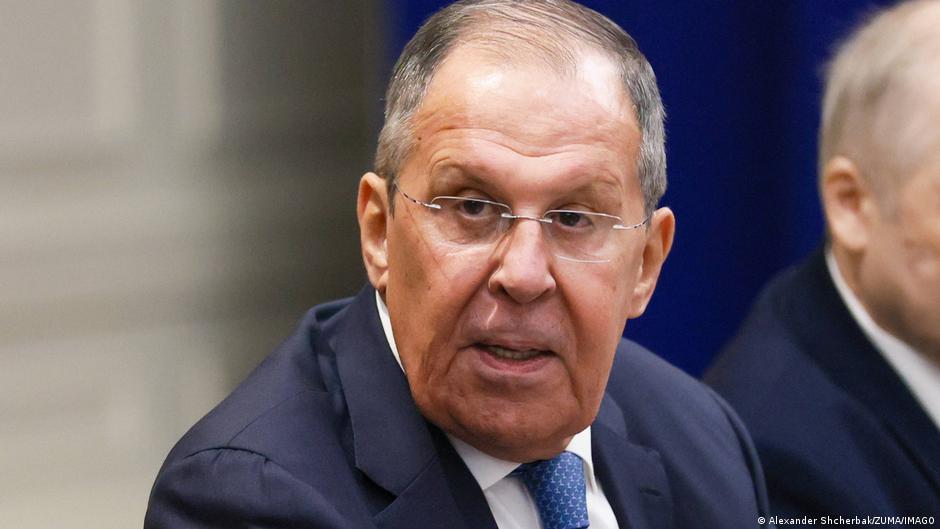
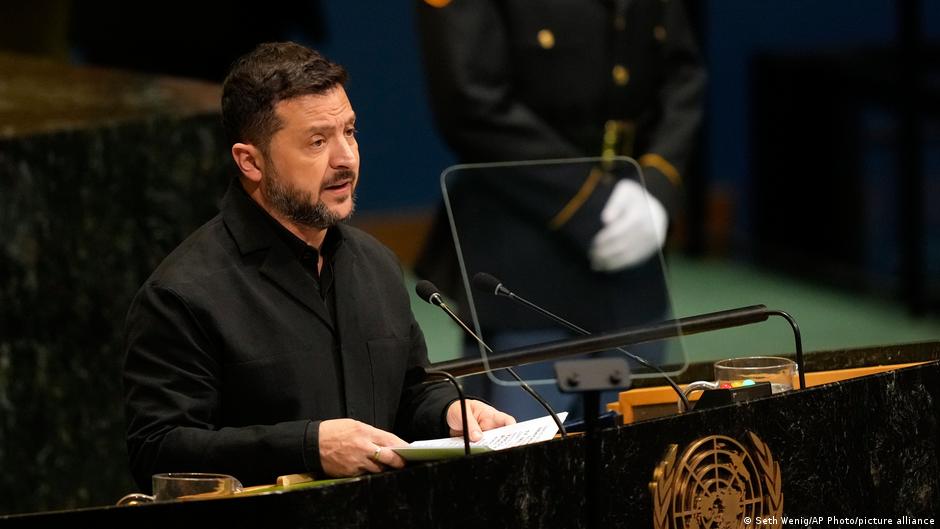
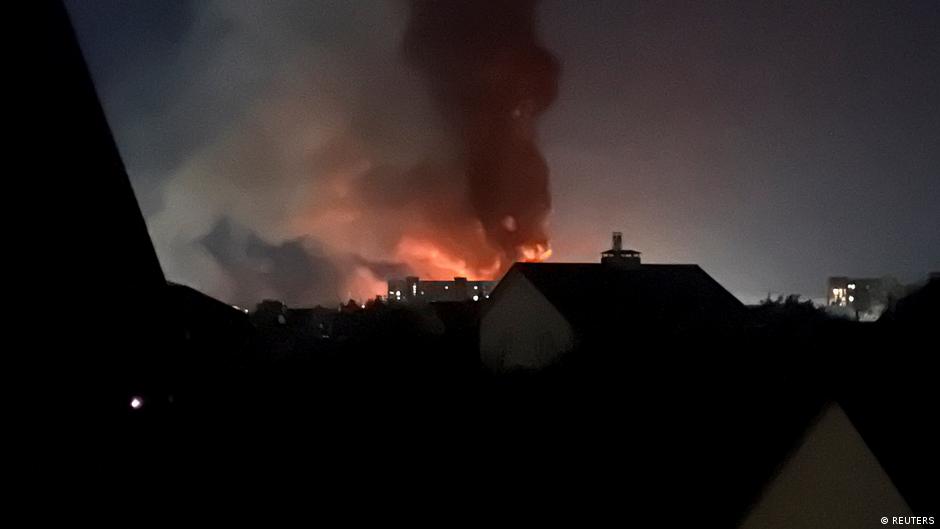
Russia will not make a “pause” for negotiations with Ukraine in any format, Foreign Minister Sergey Lavrov said on Wednesday, September 23, during a meeting of the United Nations Security Council in New York. His remarks came as the UN General Assembly brought senior diplomats to the city and as Moscow continued strikes on Kyiv.
The statement matters beyond the battlefield. For financial markets, payments firms, digital banks, crypto platforms and cybersecurity teams, any signal that the war will continue without even a temporary operational pause sustains the geopolitical risk premium around Eastern Europe. The conflict has already become a standing variable in sanctions compliance, cross-border settlement, energy-linked inflation expectations and corporate risk controls. Lavrov’s message indicated that Moscow is not prepared to separate negotiations from ongoing military pressure.
According to the Russian Foreign Ministry’s account, Lavrov argued that Europe wants such a pause “with the same simple aim” of gaining time and replenishing what he described as the depleted military arsenals of the Kyiv government. At the same time, he said Russia was ready for negotiations aimed at achieving what Moscow calls a “stable, just peace.”
Lavrov said Russia would not make a pause for negotiations with Ukraine in any format.
U.S. Secretary of State Marco Rubio, also attending the UN General Assembly in New York, again said Washington was ready to play a constructive role in achieving a ceasefire. Before Lavrov’s Security Council remarks, the Russian foreign minister met with Rubio. Interfax reported that the talks lasted about an hour. It was the fifth meeting between the two countries’ foreign policy chiefs since 2025.
Digital Economy Risks Stay Tied to Diplomacy
For the financial technology sector, the practical impact of such diplomacy is indirect but significant. A prolonged war environment keeps sanctions screening, transaction monitoring and counterparty due diligence at the center of cross-border finance. Payment processors and digital banking platforms with exposure to international flows must continue to manage rapidly shifting restrictions, higher compliance burdens and the risk of inadvertent dealings with sanctioned entities.
Crypto businesses face similar pressure. Even when the article does not mention digital assets directly, any escalation or lack of progress in ceasefire talks typically reinforces regulatory attention on crypto transfers, exchange controls and the use of digital rails in high-risk jurisdictions. Firms operating in the digital asset sector are likely to read Lavrov’s rejection of a negotiation pause as another sign that emergency compliance postures around Russia-linked flows are not going away soon.
Cybersecurity is another financial market concern. The continuation of strikes on Kyiv alongside high-level diplomatic exchanges underscores a familiar pattern for banks and technology companies: negotiations do not necessarily reduce operational risk in the short term. Digital banks, payment networks and cloud-based financial infrastructure remain sensitive to spillover risk from state-linked cyber activity, disinformation campaigns and disruptions that can affect regional business continuity.
The source report did not cite market moves, company responses or new sanctions. Still, the combination of ongoing military action and stalled ceasefire momentum is the kind of geopolitical backdrop that technology investors monitor closely. Shares of fintech companies, cybersecurity vendors and digital infrastructure providers can be affected by changes in perceived sovereign risk, defense-related spending expectations and regulatory intensity, even when the immediate news is diplomatic rather than corporate.
Rubio Links Engagement to G20 Invitation
Rubio had earlier said the United States invited Russian President Vladimir Putin to attend the G20 summit scheduled for December in Miami. Explaining the invitation, Rubio said that solving problems requires meeting with people with whom there are disagreements or certain frictions. He said Putin had therefore been invited to the G20 summit.
Rubio also said the Miami summit would be an opportunity for the Russian leader to meet U.S. President Donald Trump and other world leaders. “We hope he accepts this invitation,” Rubio added.
The G20 element gives the story a wider economic frame. The forum brings together major economies whose decisions influence the architecture of global finance, digital trade, payment connectivity and technology regulation. A possible Putin appearance in Miami, and a potential meeting with Trump and other leaders, would be watched not only by diplomats but also by banks, exchanges, multinational companies and tech investors looking for signals on sanctions, trade frictions and risk appetite.
Lavrov’s comments, however, suggest that Moscow is not offering a ceasefire pause as a precondition or gesture around talks. The Russian position, as stated by the foreign minister, is that negotiations may be possible but military activity will not be suspended simply to create space for them. That leaves U.S. diplomacy attempting to keep channels open while Russia continues pressure on Ukraine.
For fintech and the broader digital economy, the immediate conclusion is one of continuity rather than resolution. Compliance teams will remain focused on Russia-related exposure, cybersecurity teams will keep the region high on their threat maps, and investors in tech and financial platforms will treat any G20 diplomacy as a potential but still uncertain catalyst. The New York meeting between Lavrov and Rubio showed that talks are happening. Lavrov’s refusal to pause for them showed how limited their near-term stabilizing effect may be.