Zelenskyy Tells UN Putin Is Spreading War as Risks Hit Energy and Markets
Ukraine’s president warned that Russia’s war is creating new crises while targeting the financial capacity behind Moscow’s campaign.
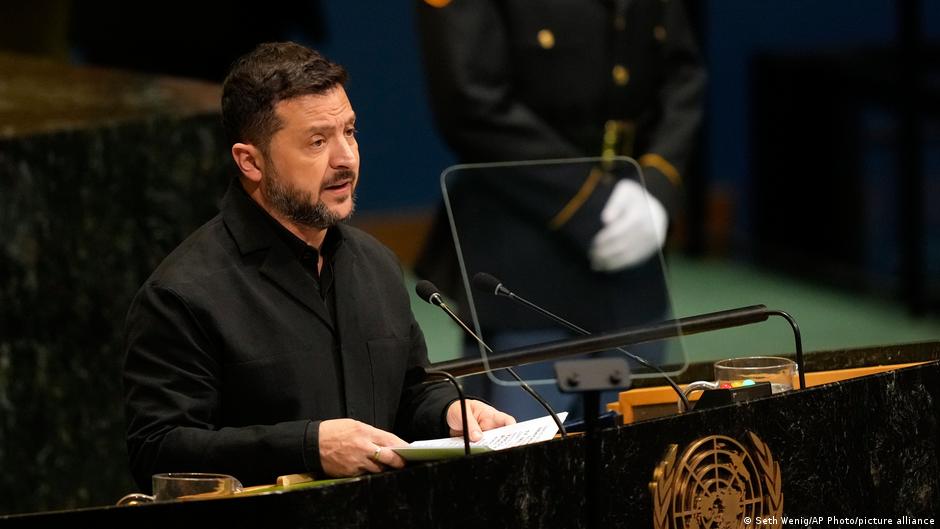
Ukrainian President Volodymyr Zelenskyy used his address to the United Nations General Assembly in New York on Wednesday, September 23, to frame Russia’s war not only as a military crisis, but as a spreading source of global instability with consequences for energy markets, digital security, public finances and investor confidence.
Zelenskyy described Russian President Vladimir Putin as “patient zero” from whom the idea of war is spreading around the world. Wherever that idea travels, he said, it brings “only pain, instability, new risks and, of course, new crises.” His message to governments and institutions was that Putin must be stopped from acting and from spreading what Zelenskyy called evil further.
“He must not be allowed to act and must not be given the opportunity to spread this evil further,” Zelenskyy said.
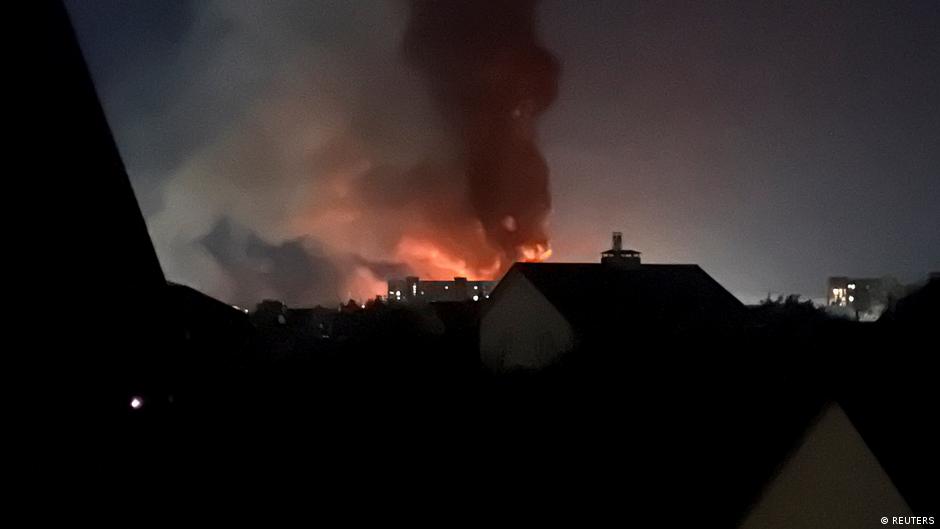
For a financial and technology audience, the speech carried a clear economic subtext. Zelenskyy argued that Ukraine’s pressure on Russia is aimed at the machinery that keeps the war funded. While he spoke about oil, fuel, refineries and ports, he stressed that these assets are not the objective in themselves. The target, he said, is Russia’s ability to finance and prolong the war.
War Financing Moves to the Center of the Message
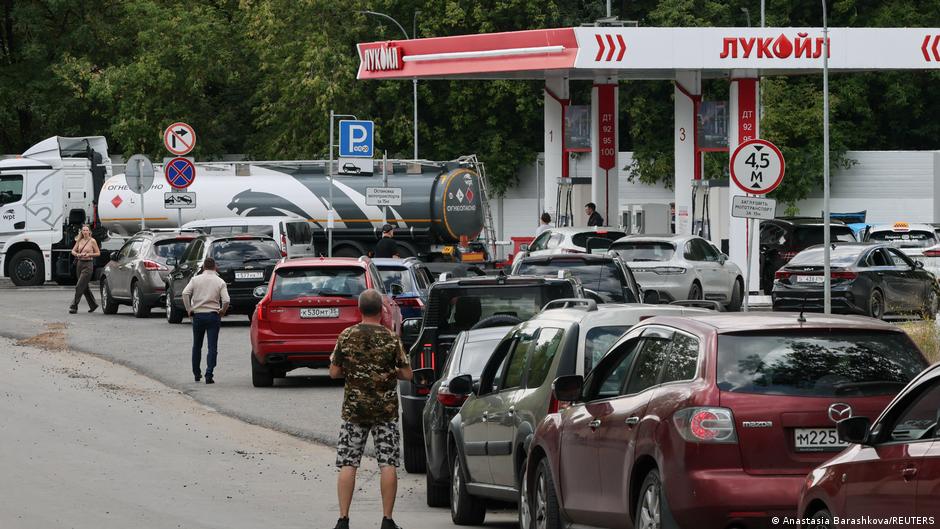
Zelenskyy said that, for the first time in Russian history, the country’s oil industry, which he described as a source of national pride, is operating “on its last legs.” He called it difficult to imagine a more humiliating defeat for a country that holds a permanent seat on the UN Security Council and has long taken pride in its oil exports.
That framing matters for the digital economy because energy revenue remains one of the core channels through which Moscow sustains military spending, absorbs sanctions pressure and manages the broader costs of war. Oil export disruption can ripple through state budgets, currency flows, trade finance, payment channels and the compliance systems of banks and fintech companies that handle cross-border transactions.
Zelenskyy’s remarks also pointed to a wider strategic contest over infrastructure. He warned that if Russia continues attacking Ukraine’s energy system and heating infrastructure, Kyiv will try to ensure that Russia’s “General Frost” changes sides this winter, a reference to the possibility of retaliatory strikes. Such attacks and counterattacks would have consequences well beyond the battlefield, including pressure on electricity grids, fuel logistics, insurance pricing and the resilience planning of digital banking and payments providers.
Energy disruption is now directly connected to financial technology operations. Payment networks, exchanges, data centers, digital banks and cybersecurity teams all depend on stable electricity and communications infrastructure. A winter escalation against power systems would sharpen operational risks across Ukraine and could add volatility for European companies exposed to energy prices, reconstruction contracts, cyber threats or defense-related supply chains.
Artificial Intelligence and the Next Phase of War
Zelenskyy also warned that as early as next year there is a real possibility that decisions on the battlefield could begin to be made by artificial intelligence rather than only by human beings. “We need peace before we reach that point,” he said.
The warning intersects with a growing debate among governments, technology companies and investors over autonomous systems, dual-use software and the governance of AI in conflict. The expansion of AI into military decision-making would raise urgent questions for cybersecurity, cloud providers, chipmakers, defense technology companies and regulators. It would also place further scrutiny on export controls, procurement channels and the financing of advanced technologies that can be adapted for war.
Zelenskyy said Russian forces lost 248,964 personnel on the battlefield in Ukraine from January through August. He described that toll as Putin paying 248 people for every kilometer and asked whether anyone still considers him rational. He added that citizens of 47 other countries are fighting on the side of the Russian army and also dying on the battlefield.
Those figures, presented by Ukraine’s president at the UN, reinforced his argument that the conflict is consuming human and economic resources at a scale that threatens broader stability. For markets, prolonged attrition can translate into persistent defense spending, fiscal strain, sanctions enforcement challenges and pressure on sectors tied to commodities, logistics, banking compliance and cyber defense.
According to an analysis by AFP cited in the source account, the first 18 days of September saw more Russian strikes than any full month since the beginning of the war in Ukraine, with the exception of March 2022. That acceleration adds to concerns that infrastructure, energy systems and public services will remain high-risk targets.
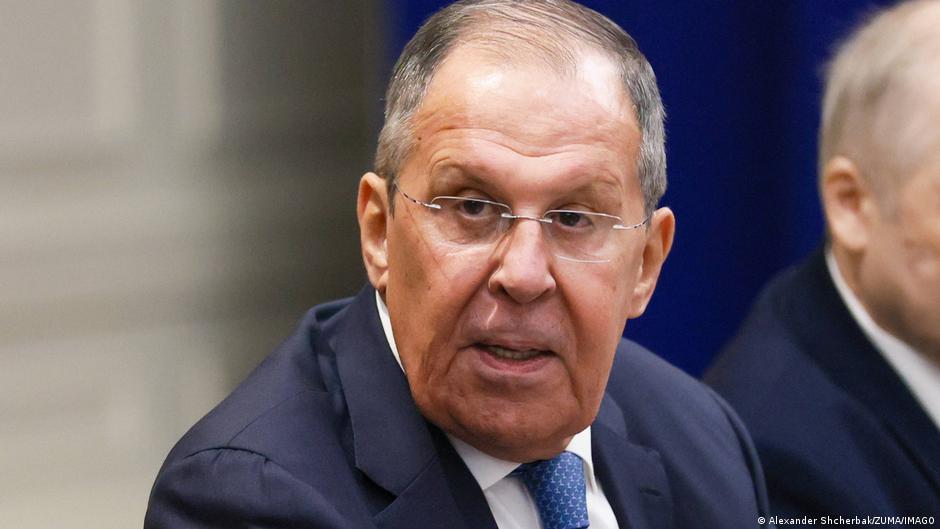
Russian Foreign Minister Sergei Lavrov, speaking at the UN Security Council, said there would be no “pause” in hostilities. His statement underlined the bleak diplomatic backdrop to Zelenskyy’s appeal and suggested continued uncertainty for companies and investors trying to assess geopolitical exposure.
For fintech firms and digital economy operators, the war’s next stage is likely to remain a test of resilience: sanctions screening, fraud monitoring, cyber defense, payment continuity and exposure to energy volatility all sit inside the same risk environment. Zelenskyy’s speech presented the conflict as a financial and technological challenge as much as a military one, with Russia’s capacity to fund the war and the spread of AI-enabled warfare emerging as central concerns.