Finland Pushes EU Tourist Visa Ban for Russians as Sanctions Debate Widens
Foreign Minister Elina Valtonen says EU states should jointly restrict Russian tourist visas while Moscow continues its war against Ukraine.
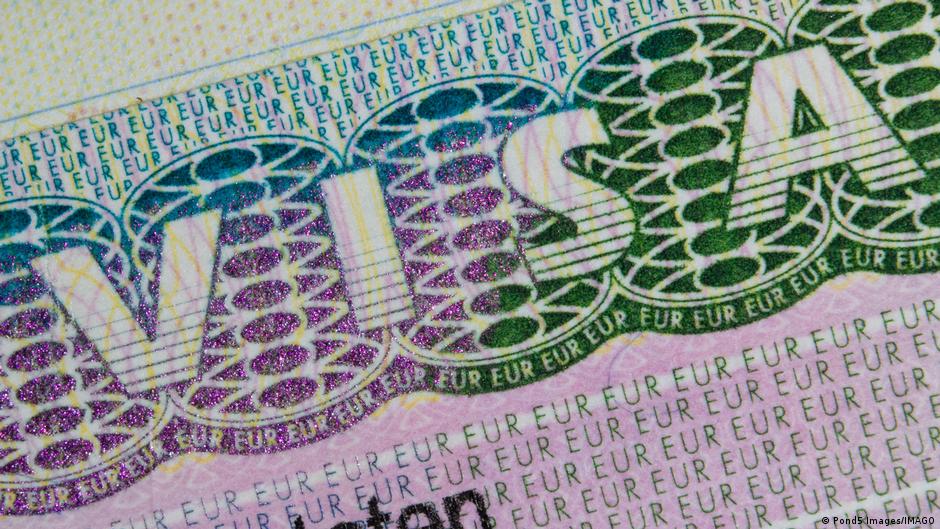
Finland’s foreign minister, Elina Valtonen, has called on European Union countries to stop issuing tourist visas to Russian citizens while Russia continues its war against Ukraine, adding a new political push to a sanctions debate that has increasingly widened beyond energy, banking and trade.
Valtonen said in a post on X on Monday, October 12, that she had invited other EU member states to join her appeal to the European Commission on the issue. Her position is that access to the Schengen area for non-essential travel should be restricted at EU level, rather than handled only through national measures.
“It is wrong that Russians can travel to Europe to enjoy the lifestyle and freedoms here while their country bombs Ukrainian homes,” Valtonen said.
She noted that Finland banned the issuance of visas to Russians for non-essential travel in 2022 and argued that the same approach should now be adopted across the EU. The move would mark a further tightening of Europe’s pressure campaign against Moscow, extending restrictions into mobility and access to the everyday benefits of the European market.
Visa Policy Moves Into the Sanctions Toolkit
Although tourist visas are not a financial instrument, the debate matters for Europe’s broader economic and digital-policy agenda. Visa access affects travel, consumption, cross-border payments and the practical ability of Russian nationals to use European services in person. For banks, payment providers and fintech platforms, any EU-wide restriction would also add another layer to compliance screening, customer due diligence and sanctions-related risk controls.
Valtonen also called for a ban on Schengen visas for people described as belonging to the close circle of Russian President Vladimir Putin. In addition, she urged restrictions on issuing visas to Russian athletes and the effective enforcement of visa bans on Russian participants in the war against Ukraine. “EU countries must act together,” she said.
The push comes as the EU continues to weigh how to respond to Russian military action and what European officials describe as Moscow’s hybrid attacks. In September, EU foreign policy chief Kaja Kallas said the bloc needed to tighten restrictive measures against the Kremlin in response to those hybrid attacks, including by reducing the number of tourist visas.
Estonia has separately advocated a visa ban for former Russian participants in the war against Ukraine. That proposal was later supported by other Baltic and Nordic countries, underscoring how the most forceful positions on Russian mobility restrictions continue to come from states closest to Russia and the conflict’s security fallout.
Digital Economy Implications
For Europe’s financial technology sector, a stricter visa regime would be another example of how geopolitical policy is reshaping the operating environment. Digital banks, card issuers, crypto platforms and payment processors have already had to adapt to sanctions linked to Russia’s war. Additional travel-related restrictions could increase the importance of identity checks, beneficial ownership reviews, politically exposed person screening and transaction monitoring.
The source article does not indicate that Valtonen proposed any new banking, crypto or payments ban. The immediate proposal concerns tourist and Schengen visas. Still, mobility restrictions often intersect with financial access in practice: fewer lawful travel routes can reduce in-person banking activity, affect card usage by Russian nationals in Europe and raise scrutiny around attempts to maintain access through third countries or alternative digital channels.
Crypto firms may also face indirect pressure if authorities tighten enforcement around sanctioned individuals, war participants or people close to the Kremlin. The central compliance question for digital-asset businesses would remain the same: whether customers, counterparties or wallet activity are linked to restricted persons or prohibited transactions. Valtonen’s remarks add to the political momentum for a more coordinated EU approach, rather than a patchwork of national measures.
A group of EU countries made a joint call in June to stop issuing tourist visas to Russians. According to a letter signed by those countries and cited in the source article, 470,000 visas were issued in 2025 to Russians for travel to 29 Schengen countries. Many of those visas allowed multiple entries, AFP was cited as noting.
That figure is significant for policymakers because multiple-entry visas can create repeated access to the Schengen area even after the political environment changes. For the private sector, including travel platforms, insurers, payment networks and digital banks, any EU-level adjustment would likely require updated controls and customer guidance once formal rules are adopted.
EU Discussion Scheduled
According to information published on the website of Austria’s parliament, discussion of EU visa policy toward Russia is scheduled for October 14 at the Council of the European Union. The timing gives Valtonen’s appeal a near-term institutional backdrop and places the issue directly into the bloc’s policy calendar.
The debate also shows how the EU’s response to Russia is moving through several layers at once: military support for Ukraine, financial sanctions, trade restrictions, cybersecurity concerns and controls on personal access to Europe. For technology and finance companies, the direction of travel is clear even before any new visa measure is finalized: compliance risks tied to Russia remain politically sensitive and operationally complex.
Valtonen’s core argument is political and moral, but the implications reach into the machinery of Europe’s digital economy. If the EU chooses a coordinated visa ban or a major reduction in tourist visas, firms operating in payments, digital banking, crypto compliance and travel-related financial services will need to track the details closely. The proposal does not create new obligations by itself, but it signals continued pressure for European systems to distinguish more sharply between necessary access and privileges linked to leisure, mobility and consumption.