Drone Attack Near Moscow Disrupts Airports and Highlights Infrastructure Risk
The reported strikes on a refinery, power facility and logistics site underline how wartime shocks can ripple through transport, payments and digital services.
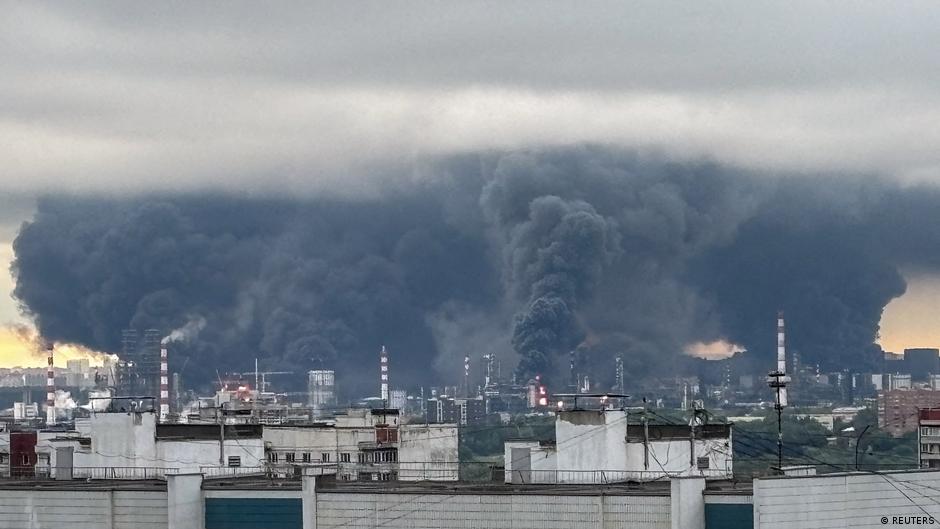
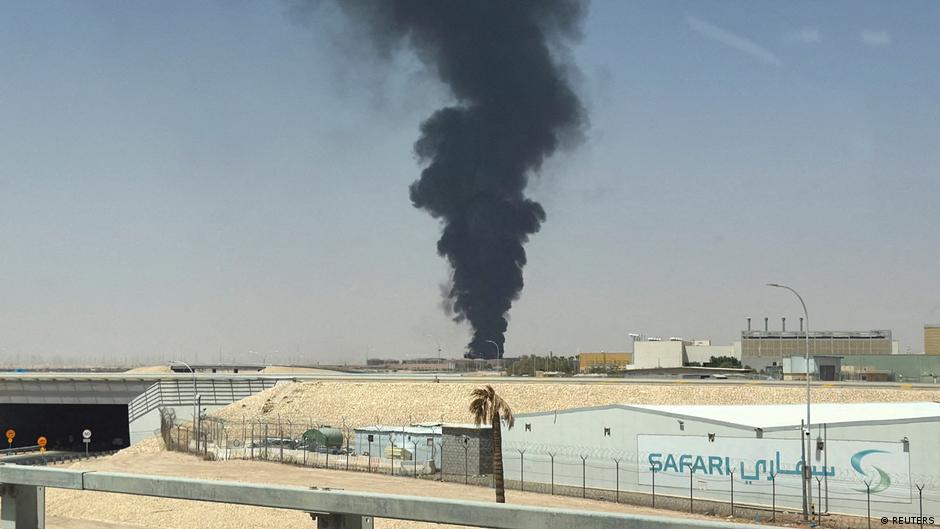
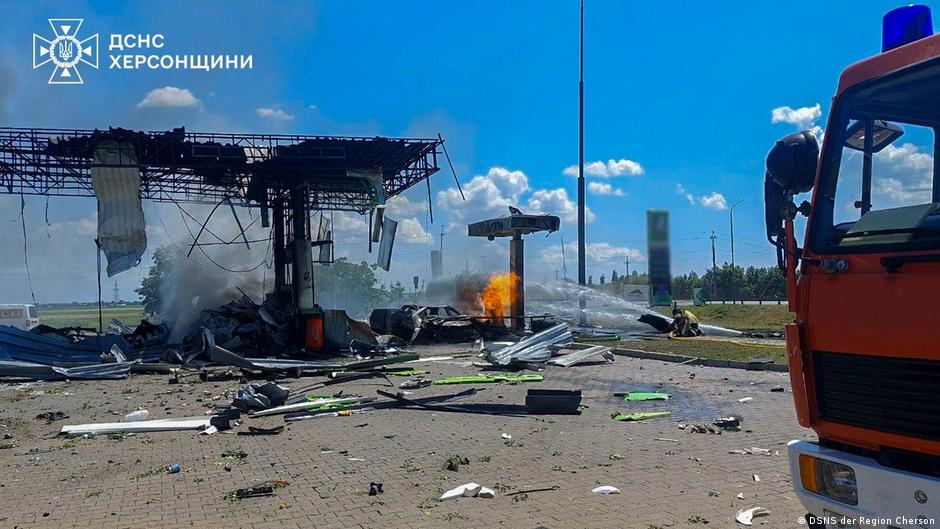
Two people were killed and at least six others injured in a large-scale drone attack in the Moscow region, according to regional governor Andrei Vorobyov, in an incident that also disrupted airport operations and reportedly triggered fires at energy, residential and logistics sites.
Vorobyov wrote on Telegram on Sunday morning, September 20, that 249 Ukrainian drones had been shot down over the region. Moscow Mayor Sergei Sobyanin separately reported that 186 drones had been intercepted on approach to the capital. The figures, if taken together with the reported damage across several locations, point to one of the more consequential recent attacks on infrastructure around Russia’s financial and administrative center.
For financial markets and the digital economy, the immediate significance lies less in direct damage to banks or payment processors than in the broader operational-risk signal. Moscow is a hub for corporate treasury, digital banking, card acquiring, e-commerce fulfillment and technology services. Any major disruption to transport, fuel supply, power generation or logistics can quickly become a business-continuity test for companies that depend on stable networks, staffed operations centers and predictable movement of goods.
“A damaged facility was recorded on the territory of the Moscow oil refinery. There were no casualties,” Sobyanin said, according to the source account.
Infrastructure Stress Meets Digital Economy Dependence
Vorobyov said a warehouse complex caught fire in Sofyino after the attack. The anonymous Telegram channel VChK-OGPU claimed that a logistics complex there, with an area of about 850,000 square meters, was fully engulfed in flames. The governor also said drones hit and caused fires in three apartment buildings and one private home.
Those reports could matter for e-commerce, retail payments and supply-chain finance because logistics sites are a key physical layer beneath digital commerce. Online orders, merchant settlement cycles and inventory-backed lending all rely on warehouses and transport nodes continuing to function. The source article does not identify the owners or tenants of the Sofyino site, and it does not report any payment outage or bank-system disruption. Still, the scale attributed to the warehouse by VChK-OGPU makes the incident relevant for companies assessing concentration risk around major fulfillment corridors near Moscow.
The reported refinery damage adds another layer. Sobyanin said an object on the territory of the Moscow oil refinery was damaged and that there were no casualties. VChK-OGPU reported that the refinery in Moscow’s Kapotnya district was burning. The same refinery had already been attacked in June, according to the source. Fuel infrastructure is not a fintech asset, but it can influence the operating environment for delivery networks, cash logistics, data-center backup planning and corporate cost expectations.
The source also cited VChK-OGPU as saying drones attacked a thermal power plant in Lyubertsy, while in Kotelniki a drone hit a residential building. The Telegram channel Ostorozhno, Novosti, citing local residents, reported a fire in a residential complex in Kotelniki. In Istra, debris from a drone damaged an apartment in a residential building, according to municipal district head Tatyana Vitusheva.
Payments, Cybersecurity and Market Watchpoints
The suspension of operations at Vnukovo, Domodedovo and Zhukovsky airports gives the event a wider economic footprint. Air-traffic interruptions can affect business travel, cargo scheduling and high-priority shipments, while also forcing merchants, travel platforms and banks to handle booking changes, refunds and customer-service spikes. The source does not state how long the airports were halted or whether flights were canceled, but even temporary pauses can pressure digital service systems that process payments and itinerary changes in real time.
For digital banks and payment companies, the key question after such an incident is resilience. Institutions usually look at whether call centers can be staffed, whether payment authorization and fraud-monitoring teams remain available, whether branch and ATM services require physical replenishment, and whether vendors in affected districts can meet service commitments. The source article contains no claim that Russian banking infrastructure was damaged, so the relevance is one of risk transmission rather than confirmed financial-system impact.
Cybersecurity teams are also likely to monitor the information environment around major physical attacks. Large incidents often generate rapid claims, counterclaims and unofficial reports across messaging channels. In this case, several details in the source come from official statements by regional and city authorities, while others are attributed to anonymous or local Telegram channels. For banks, crypto platforms and brokers, that distinction matters: inaccurate alerts can trigger customer panic, social-engineering attempts or fraudulent donation and compensation schemes.
Crypto markets may also read such attacks through the lens of geopolitical risk, sanctions exposure and energy infrastructure vulnerability. The article does not report any cryptocurrency-related activity, mining disruption or market reaction. But for compliance desks, any escalation around Moscow can sharpen attention on transaction monitoring, counterparties and the possibility of opportunistic scams exploiting breaking-news conditions.
Technology and infrastructure-linked equities may face similar scrutiny. Investors tracking Russian exposure, logistics firms, energy assets, cybersecurity vendors or companies dependent on uninterrupted Moscow-region operations will look for confirmed damage, insurance implications and any signs of repeated strikes on the same facilities. The report that the Kapotnya refinery had previously been attacked in June is especially relevant for assessing whether some sites face recurring risk.
The human toll remains central: two people were killed and at least six injured, according to Vorobyov. The broader economic lesson is that digital finance does not sit apart from physical infrastructure. Payments, banking apps, trading systems and e-commerce platforms may appear virtual to users, but they depend on airports, fuel, electricity, logistics centers, housing stability and communications networks. Sunday’s reported attack around Moscow illustrates how quickly physical security events can become boardroom issues for financial and technology firms, even when the first reports do not name the financial sector as a direct target.