U.S. Threat Over Ukraine Arms Program Raises Energy-Market Risk
Reported pressure on Kyiv to halt refinery strikes could reshape wartime energy flows, payment risk and investor sentiment across Europe.
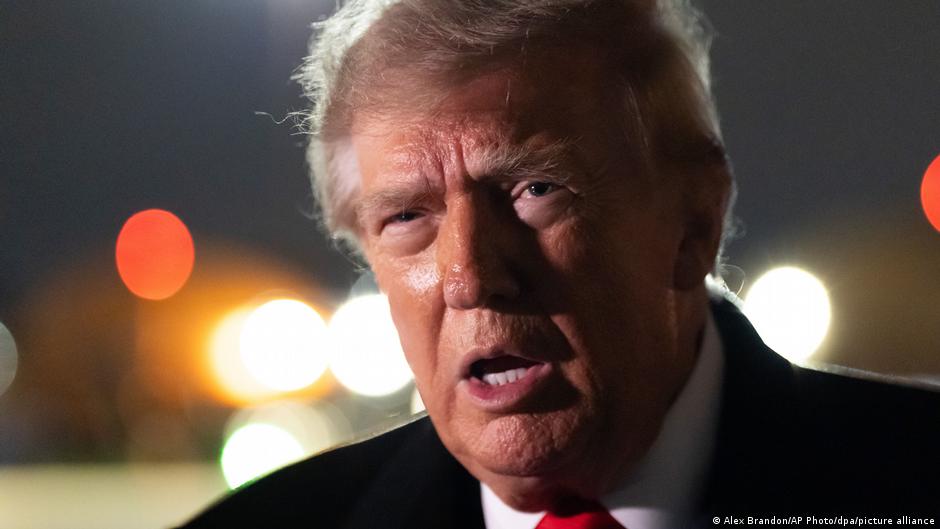
The Trump administration is threatening to block the PURL weapons-supply program for Ukraine in an effort to pressure Kyiv to stop strikes on oil refineries in Russia, according to the Financial Times. The reported move, if carried out, would link military support to a highly sensitive part of the war economy: energy infrastructure, fuel supply chains and the financial systems that price their disruption.
The program, known as PURL, or the Prioritized Ukraine Requirements List, is used to supply weapons to Kyiv. The Financial Times reported on Monday, October 12, that officials from the Trump administration have been calling Kyiv and European capitals with warnings that Washington could block the program unless Ukraine stops targeting Russian refineries.
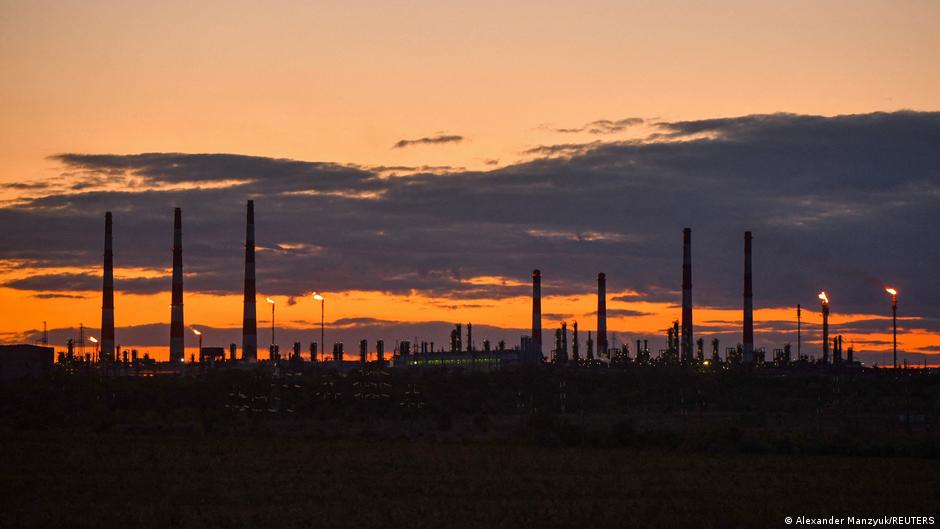
For energy traders, banks, insurers and payment providers exposed to cross-border commerce, the issue is not only military. Ukrainian attacks on Russian refining capacity have contributed to volatility around fuel supply, sanctions enforcement and transport risk. A U.S. push to restrain those strikes could affect expectations for diesel, gasoline and crude-product flows, while also influencing how lenders and compliance teams assess transactions involving energy, shipping and dual-use goods.
“They are calling Kyiv… they are calling everyone,” one official who received such a call from a representative of the U.S. Defense Department told the Financial Times.
According to the FT, one of the people contacted by American officials was Pavlo Palisa, a military adviser to Ukrainian President Volodymyr Zelensky and a former commander of Ukraine’s 93rd Separate Mechanized Brigade. The White House declined to confirm or comment on the information.
Energy Truce Claims Meet Market Uncertainty
The reported pressure comes after U.S. President Donald Trump said on October 11 that Russia and Ukraine had agreed to an “energy truce.” In a post on Truth Social, Trump wrote that from that moment an energy ceasefire was being introduced in the war between Russia and Ukraine, that both sides had agreed to it, and that it should not be violated.
Zelensky, who has repeatedly called for a mutual ceasefire covering energy infrastructure, initially told a journalist from Axios that he knew nothing about the partial truce that had reportedly been reached. He said, however, that he would support it if Russia agreed. Later, he said Ukrainian authorities were waiting for details from the American side.
“The Armed Forces of Ukraine have received all orders. We support all steps by partners that can help us. We are waiting for clear details of America’s dialogue with Russia and for Putin to do what President Trump said,” Zelensky later added, referring to Russian President Vladimir Putin.
At the same time, a senior Ukrainian official close to Zelensky told the Financial Times that no one had heard of such a truce. That gap between Washington’s public claim, Kyiv’s stated uncertainty and Moscow’s expected role creates a problem familiar to financial markets: headline risk without operational clarity.
In the digital economy, such uncertainty tends to move quickly through payment rails, banking compliance systems and technology equities. Energy shocks can alter inflation expectations, which in turn affect rate-sensitive growth stocks and fintech valuations. They can also increase scrutiny of cross-border settlements, trade finance, insurance claims and crypto transfers where counterparties may have exposure to sanctioned jurisdictions or energy-linked entities.
Payments, Sanctions and Crypto Exposure
A credible halt to strikes on Russian refineries could reduce one source of physical energy-market disruption. But the mechanism matters. If the U.S. uses the threat of blocking a weapons program to push Kyiv toward a limited energy ceasefire, banks and payment processors may have to track a shifting political framework rather than a formal, clearly documented agreement.
That ambiguity is important for compliance teams. Financial institutions have already had to navigate sanctions on Russian banks, energy firms, shipping companies and intermediaries. A partial energy truce would not automatically change sanctions rules, but it could change transaction behavior around fuel, logistics, spare parts and insurance. Digital banks and fintech platforms that serve importers, exporters or migrant communities could face more complex risk scoring if trade patterns adjust in response to a perceived easing of infrastructure attacks.
Crypto markets may also watch the development closely. In wartime environments, digital assets can be used for donations, capital movement and sanctions evasion attempts, making enforcement expectations central to exchange compliance. Any shift in U.S. policy toward Ukraine’s military options or Russia-related energy flows may prompt renewed monitoring of wallets, stablecoin transfers and over-the-counter activity connected to high-risk jurisdictions.
For technology investors, the implications extend beyond crypto. European defense technology, cybersecurity providers and energy-data firms have all been shaped by the war’s operational demands. A U.S. threat to block PURL may increase uncertainty for companies tied to military logistics, secure communications and critical infrastructure protection. Conversely, if an energy ceasefire were to hold, some investors could reassess risk premia in European markets, particularly sectors sensitive to power prices and fuel supply.
The White House did not respond to journalists’ question on whether Trump would listen to Zelensky’s proposal to press Putin into accepting a full 60-day ceasefire, which would allow Ukraine to hold elections, the Financial Times reported. That unanswered question leaves markets with a narrower reported dispute over refinery strikes and a broader unresolved issue: whether Washington is seeking a limited energy arrangement or a larger ceasefire framework.
For now, the most consequential signal for the financial sector is the reported use of U.S. leverage over weapons supplies to influence energy targeting. Whether or not PURL is actually blocked, the episode underlines how closely war policy, energy infrastructure and digital financial risk have become intertwined. In a market where payments compliance, cyber risk and energy prices can react faster than diplomacy, the lack of clear details may itself become a source of volatility.