Yaroslavl Refinery Halt Adds New Pressure to Russia’s Fuel Markets
Drone damage at a major Russian refinery has halted processing and fuel shipments, intensifying supply strains with implications for markets and the digital economy.
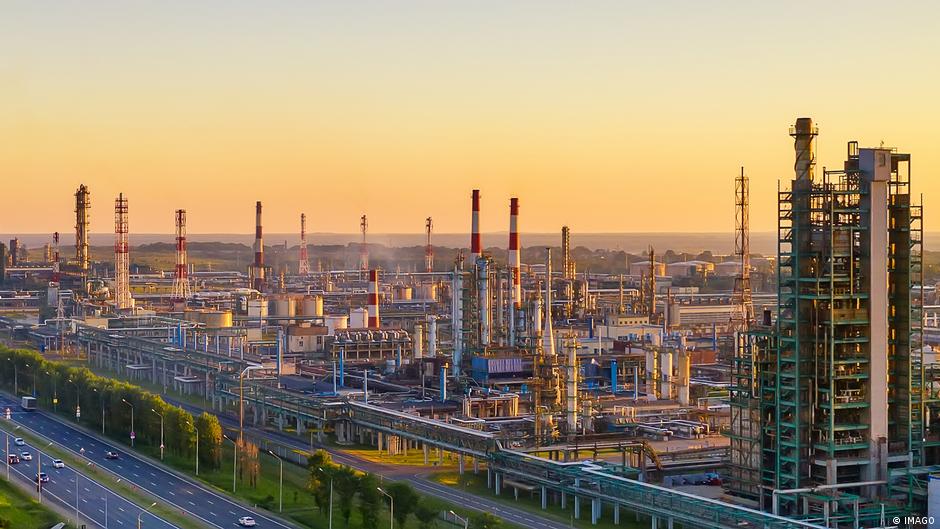
A major oil refinery in Yaroslavl has stopped processing crude and shipping fuel after fresh drone attacks damaged core production units, adding another disruption to Russia’s fuel supply chain and raising wider concerns for payments, transport logistics, digital banking services and market-linked technology stocks.
The Slavneft-Yaroslavnefteorgsintez refinery, known as YaNOS, supplied fuel to the Moscow region and is among Russia’s largest refining plants. Reuters reported that the facility, which ranks in the top 10 Russian refineries, halted crude processing and fuel shipments after another Ukrainian drone attack. The agency cited four industry sources in its report on Thursday, September 17.
According to the sources, the overnight attack on September 17 damaged the AVT-3 crude distillation unit, which accounted for 40 percent of the plant’s capacity. Yaroslavl region Governor Mikhail Yevrayev confirmed that the plant had sustained damage and that a fire broke out at the site. Firefighters spent several hours extinguishing the blaze.
The latest damage followed an earlier strike overnight on August 28, when another unit, AVT-4, was disabled. That unit provided about 33 percent of YaNOS’s capacity and had not returned to operation. After the attacks, YaNOS stopped exchange-traded fuel shipments.
Russian officials have described fuel supply difficulties as temporary, while the refinery disruptions point to a more persistent operational challenge.
Fuel Shock Meets Digital Payments and Logistics
For Russia’s digital economy, the refinery stoppage is more than an industrial incident. Fuel scarcity affects the physical infrastructure behind online commerce, food delivery, ride-hailing, cash logistics, bank branch operations, data-center servicing, and field maintenance for telecom and payment networks. When fuel becomes harder to obtain or more expensive, digitally mediated services that depend on fleets and regional distribution can face higher costs and weaker reliability.
The impact may also be felt in payments data. Shortages at filling stations can shift consumer behavior toward mobile apps that map available gasoline, bank card spending at fuel retailers, and digital wallets used for transport and delivery services. In a tight supply environment, banks and payment processors may see changes in transaction volumes, merchant category spending, and regional cash demand. If queues or outages spread, consumers may rely more heavily on digital tools to locate fuel and compare availability.
According to media accounts, the Slavneft refinery in Yaroslavl is one of Russia’s five largest refining enterprises by crude processing volume. The AVT-3 unit alone could process about 17,000 metric tons of feedstock per day. Each year, the plant supplied markets with more than 2.6 million tons of gasoline and 4 million tons of diesel. YaNOS also supplied fuel to the Moscow region, making the interruption significant for a large consumer and logistics market.
Since the beginning of Russia’s full-scale war against Ukraine, the Yaroslavl plant has repeatedly been hit by Ukrainian drones. In 2026, fires occurred at the facility at least eight times. That frequency has made refinery risk a recurring factor for fuel distribution and for businesses whose operating models assume stable energy inputs.
Market and Cybersecurity Implications
YaNOS is already the second major refinery in the region to suspend work in September because of the consequences of drone attacks. Since September 6, the Rosneft refinery in Ryazan has not shipped fuel. That refinery has capacity of 17 million tons of oil per year. The stated capacity of the Yaroslavl refinery is 15 million tons of oil per year.
For investors, the disruption feeds into several overlapping narratives: energy supply risk, domestic inflation pressure, logistics costs, and potential stress on consumer-facing technology platforms. Fuel shortages can affect margins for companies involved in e-commerce, delivery, mobility, retail distribution and payment acceptance. In markets where energy availability is unstable, digital platforms can face higher operational costs even if their services appear asset-light.
The cyber and security angle is also relevant. Drone attacks on physical infrastructure can create digital spillovers when companies need to reroute supply chains, update inventory systems, manage customer communications, and process refunds or failed deliveries. Refinery outages also increase the value of real-time information services, including fuel search platforms, mapping tools and pricing aggregators. Those platforms can become critical consumer infrastructure during shortages, and their reliability and data integrity become more important.
Ukrainian strikes on Russian oil refining facilities caused a fuel crisis in Russia over the summer. The Kremlin and President Vladimir Putin have been reluctant to acknowledge the scale of the problem. Putin has said fuel difficulties are “temporary” and that attacks on refineries are “not capable of influencing the events taking place on the front.”
However, data from Gdebenzin, a service that aggregates websites and tools used to search for fuel in Russia, showed that in mid-September AI-92 and AI-95 gasoline was unavailable at roughly half of the country’s filling stations. The figures fluctuated from day to day, but a chart cited by Novaya Gazeta Europe indicated that acute fuel shortages in Russia had continued since mid-August.
Against this backdrop, Kremlin spokesman Dmitry Peskov spoke positively in mid-September about U.S. President Donald Trump’s idea of an “energy truce,” which would involve ending Ukrainian attacks on Russian refineries. When asked whether Russia would be prepared to stop strikes on Ukrainian infrastructure in return, Peskov did not answer.
The stoppage at YaNOS shows how attacks on energy infrastructure can move quickly through the broader economy. What begins as damage to a refinery unit can affect wholesale fuel shipments, station-level availability, transport networks, consumer payments, and the operating assumptions of digital businesses that depend on energy-intensive logistics. For Russia’s fintech and tech sectors, the refinery disruption is another reminder that digital services remain closely tied to physical infrastructure.