Fed Raises Key Rate for First Time in Three Years, Pressuring Fintech
The Federal Reserve lifted its federal funds rate by 25 basis points to 3.75%-4% as inflation stays above target.
The U.S. Federal Reserve has raised the federal funds rate by 25 basis points to a range of 3.75% to 4% annually, marking its first rate increase in three years and immediately reshaping the outlook for fintech, digital banking, crypto markets, payment companies and technology stocks.
The decision was announced by the Fed on Wednesday evening, September 16, and was justified by the need to counter inflation in the United States. All 12 members of the Federal Open Market Committee voted in favor of the increase, according to the publication.
For digital finance companies, the move changes the cost equation across lending, payments and capital markets. Higher benchmark rates can support margins at some banks and cash-heavy financial platforms, but they also tend to raise funding costs for buy now, pay later providers, consumer lenders, neobanks and growth-oriented fintech firms that depend on cheap capital. The rate shift may also affect valuations across publicly traded technology and financial technology companies, where future earnings are often discounted more heavily when interest rates rise.
Inflation Fight Returns to the Center of U.S. Monetary Policy
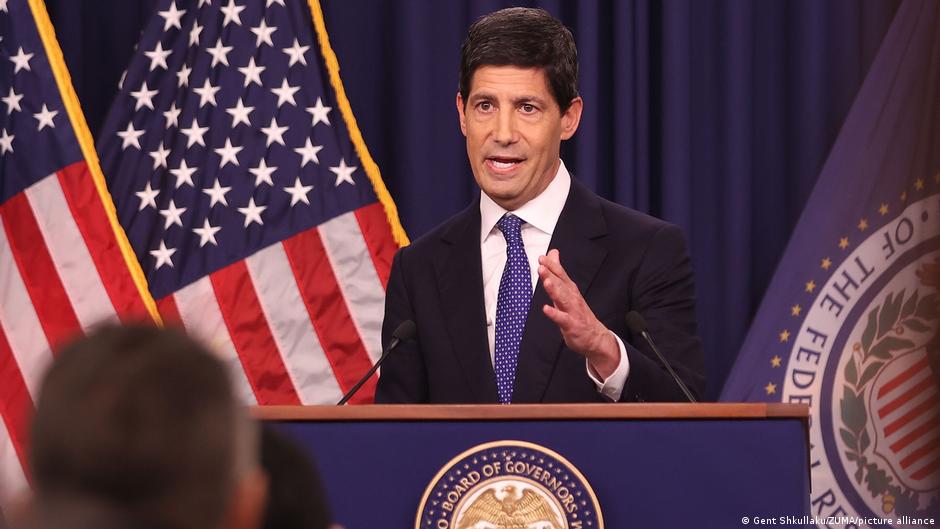
Fed Chair Kevin Warsh framed the increase as a response to persistent inflation, saying the central bank’s focus under its mandate is price stability. He said inflation was simply too high and had remained so for too long.
“Our main focus within our mandate is on ensuring price stability,” Warsh said at a press conference.
Unlike the European Central Bank, based in Frankfurt am Main, the U.S. Federal Reserve has a dual mandate: to ensure price stability and a strong labor market, AFP explained. That dual mandate is particularly important for digital economy sectors, because both inflation and employment conditions feed directly into consumer spending, credit quality, online commerce volumes and demand for digital financial services.
The rate increase follows a period of easing. The Fed had not raised rates for three years before this decision. The rate had previously been cut three times in 2024 and three times in 2025, Interfax noted. The reversal therefore signals a meaningful shift for markets that had been operating under expectations of lower borrowing costs.
Warsh said at the September 16 press conference that U.S. inflation has exceeded the 2.0% target for five years. In July and August of the current year, it stood at 3.4%. For payments companies and digital banks, that inflation backdrop can be mixed: nominal transaction values may rise as prices climb, but household budgets tighten, credit losses may increase, and merchants can become more cautious about technology spending.
Payments, Crypto and Digital Banking Face a New Rate Landscape
The Fed’s decision is likely to ripple through the payments ecosystem. Card networks, acquiring banks and payment processors are sensitive to consumer spending patterns, while digital wallets and online checkout platforms depend on transaction volumes across e-commerce and services. Higher rates can slow discretionary spending and make installment-based products less attractive if financing costs rise.
Crypto markets may also face renewed pressure from tighter monetary conditions. While the source announcement did not specify market moves, the policy direction matters for digital assets because higher interest rates can make cash and short-term government securities more attractive relative to riskier assets. That can weigh on speculative demand and liquidity conditions across crypto trading platforms, token markets and related technology stocks.
Digital banks and neobanks may see a more complex impact. Higher rates can improve yields on deposits and cash balances, but they can also raise competition for customer deposits as traditional banks offer better returns. Fintech lenders could face higher refinancing costs and more pressure to manage credit risk, particularly if inflation continues to strain borrowers.
Cybersecurity and financial infrastructure providers may be comparatively resilient, since banks, brokers, payment processors and crypto firms must continue investing in fraud prevention, identity controls and operational security regardless of the rate cycle. However, tighter capital markets can still affect smaller technology vendors, especially those dependent on venture funding or high-growth equity valuations.
Political Pressure Adds Uncertainty for Markets
Kevin Warsh was nominated as Fed chair by U.S. President Donald Trump and took office in mid-May. From 2006 to 2011, he served on the Fed’s Board of Governors. Earlier, Warsh worked as a banker at Morgan Stanley, specializing in mergers and acquisitions. He also advised Trump on economic policy.
According to AFP, Trump had expected Warsh, as Fed chair, to maintain a low interest rate, which among other things would have made real estate loans more accessible. But the war by the United States and Israel against Iran, which has been under way since late February, led to a sharp increase in energy prices and, consequently, fueled inflation, journalists stated.
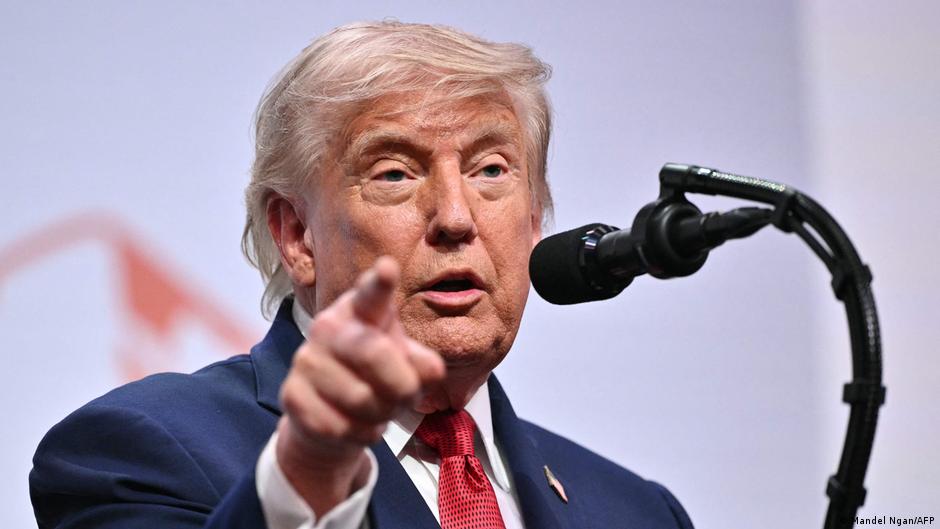
Trump sharply criticized the FOMC decision to raise the key rate, saying it was driven by “political motives.” Speaking to journalists in North Carolina on September 16, he said Warsh was a good person, but that regardless of how well he did his job, he had to deal with hostile leadership.
“They are raising the key rate to do as much harm as possible to Trump,” Trump said, adding that the increase was being made for political reasons.
For investors in fintech and technology shares, that political dispute adds another layer of uncertainty. Monetary policy already affects discount rates, funding markets and consumer credit. A public conflict between the president and the Fed can make expectations around future rate decisions more volatile, particularly for sectors such as digital payments, crypto infrastructure and online lending that respond quickly to shifts in liquidity and investor risk appetite.
The immediate message from the Fed is that inflation remains the priority. For the digital economy, the consequences will be felt across borrowing costs, payment volumes, credit products, crypto sentiment and the valuation of technology companies that have benefited from easier money in prior years.