Russian Strikes Hit Kyiv and Odesa as Ukraine’s Urban Systems Face Renewed Pressure
The overnight attacks injured civilians, including children, and damaged homes, offices, warehouses and education facilities in key Ukrainian cities.
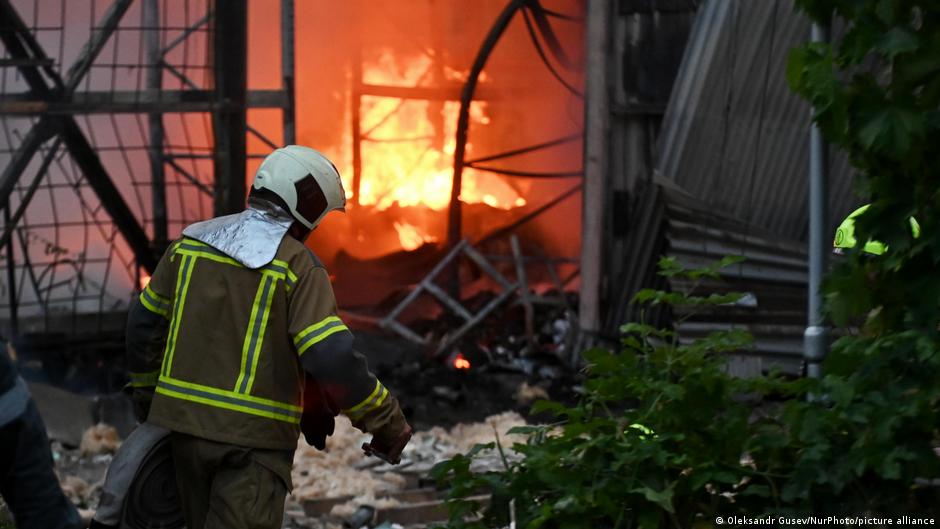
Russia carried out a large overnight missile attack on Kyiv in the early hours of Thursday, September 17, injuring at least 12 people, including two children, according to Ukrainian officials. The strikes also damaged residential, office, warehouse and educational buildings across several districts of the capital, adding fresh pressure to Ukraine’s urban infrastructure at a time when continuity of services remains central to the country’s wartime economy.
Kyiv Mayor Vitali Klitschko said on Telegram that those injured in the capital included children aged 10 and 12. “Nine of the injured are in hospitals,” he wrote, according to the reported account of his post. The Kyiv City Military Administration earlier said that the 10-year-old child injured in the Russian attack was a girl.
The same night, officials in Odesa reported at least three people injured, including a four-year-old child, after a Russian attack on the southern port city. In Sumy, emergency officials said one person was killed and nine others were injured, including two children, following Russian airstrikes the previous evening.
Damage Across Kyiv’s Business and Residential Districts
By morning, Ukrainian authorities had reported damage to warehouse premises in Kyiv’s Solomianskyi and Dniprovskyi districts. The city administration also said a residential building was damaged in the Dniprovskyi district, where Kyiv officials described broken windows and other impact-related damage.
Klitschko said the glazing and facade of a three-story office building in the Dniprovskyi district had been damaged. Windows were also blown out in several residential buildings. In the Sviatoshynskyi district, he said, a non-residential building was damaged.
Ukraine’s State Emergency Service separately reported that in Kyiv’s Holosiivskyi district, the facade and glazing of a four-story university building were damaged. The name of the educational institution was not specified. According to the reported emergency service statement, there were no deaths or injuries in that incident.
The Ukrainian Air Force had warned on Telegram during the night of September 17 that missiles were moving toward Kyiv. The attack formed part of the continuing pattern of Russian strikes against Ukrainian cities, where even damage to non-military buildings can disrupt local business activity, municipal services, transport, communications and access to digital platforms used by households and companies.
“Nine of the injured are in hospitals,” Klitschko said in a Telegram post cited by the report.
Odesa and Sumy Report Civilian Casualties
In Odesa, Serhii Lysak, head of the city military administration, said at least three people were injured in the Russian attack, including a four-year-old child. “Everyone is receiving the necessary medical assistance,” his post said. Lysak had earlier reported that a multi-story building in Odesa had been damaged as a result of the attack.
Odesa is a major Ukrainian port city and a critical node for trade, logistics and payments flows linked to commerce across the Black Sea region. The reported damage to a multi-story building and the injuries to civilians highlight the continuing risks faced by urban centers that support both physical and digital economic activity, from retail banking and card payments to business communications and supply-chain coordination.
In Sumy, the State Emergency Service said one person was killed and nine others were injured, including two children, after Russian airstrikes. The agency said guided aerial bomb attacks destroyed and damaged private homes, outbuildings and civilian vehicles.
“Private residential homes, outbuildings and civilian cars were destroyed and damaged because of attacks with guided aerial bombs,” the emergency service said, according to the reported post.
Digital Economy Risks Beyond the Immediate Blast Zones
For Ukraine’s digital economy, the immediate human toll remains the central consequence of the attacks. But damage to residential buildings, offices, warehouses and educational facilities also raises broader operational risks for businesses and public institutions that rely on stable power, connectivity, cloud access and secure communications.
Ukraine’s wartime economy has become heavily dependent on digital banking, mobile payments, remote work systems and online public services. When strikes hit major cities such as Kyiv and Odesa, the disruption can extend beyond physical infrastructure to the systems that allow people to receive salaries, pay merchants, access savings, authenticate accounts and communicate with employers or public agencies. The source report did not specify damage to financial institutions, payment networks, telecom operators or cybersecurity systems, but the affected categories of buildings underscore the exposure of civilian economic infrastructure during urban attacks.
Warehouses in Kyiv’s Solomianskyi and Dniprovskyi districts are particularly relevant to the logistics layer that supports online retail and small business distribution. Damage to storage facilities can interrupt inventory management, delivery schedules and merchant operations, even where digital payment rails continue to function. Office damage, meanwhile, may affect companies and service providers that depend on secure devices, local networks and staff access to workspaces.
The attack on a university building in Holosiivskyi, where no casualties were reported, also illustrates risks to the education and research institutions that form part of the technology workforce pipeline. Universities in large cities often support IT talent development, applied research and startup ecosystems, all of which are important to Ukraine’s longer-term digital competitiveness.
For investors tracking Ukrainian risk, regional banking exposure, cybersecurity demand and defense-related technology spending, the latest reported strikes are another reminder that civilian infrastructure remains vulnerable. The facts reported by Ukrainian officials point to a pattern of damage across homes, offices, warehouses, vehicles and public institutions, with children among the injured in Kyiv, Odesa and Sumy.
The overnight attack on Kyiv and Odesa, along with the preceding strikes on Sumy, did not only bring new casualties. It also showed how wartime pressure on urban infrastructure can ripple through the systems that support payments, commerce, digital services and business continuity in Ukraine’s largest cities.