Fire Reported at Ryazan Site Housing Yandex Data Center, Astra Says
The reported blaze at the Sasta plant highlights the exposure of cloud infrastructure, industrial suppliers and digital services to wartime disruption.
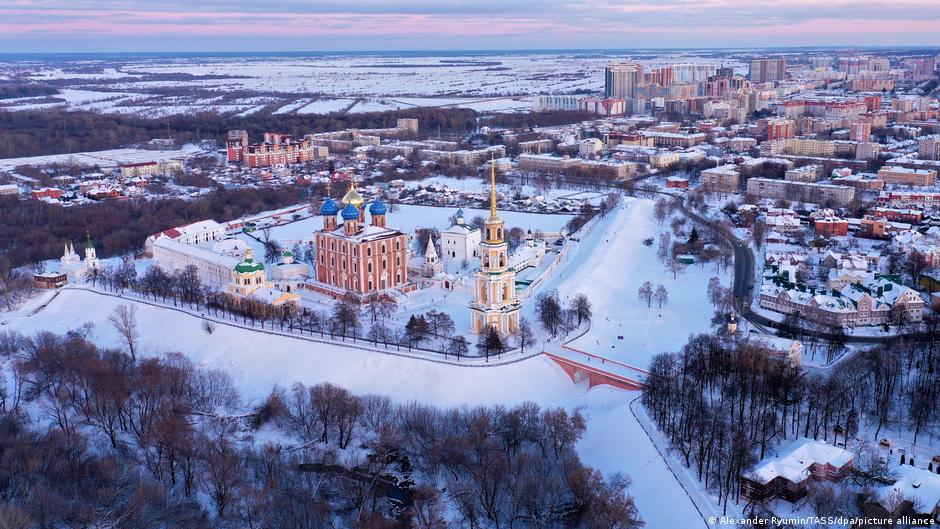
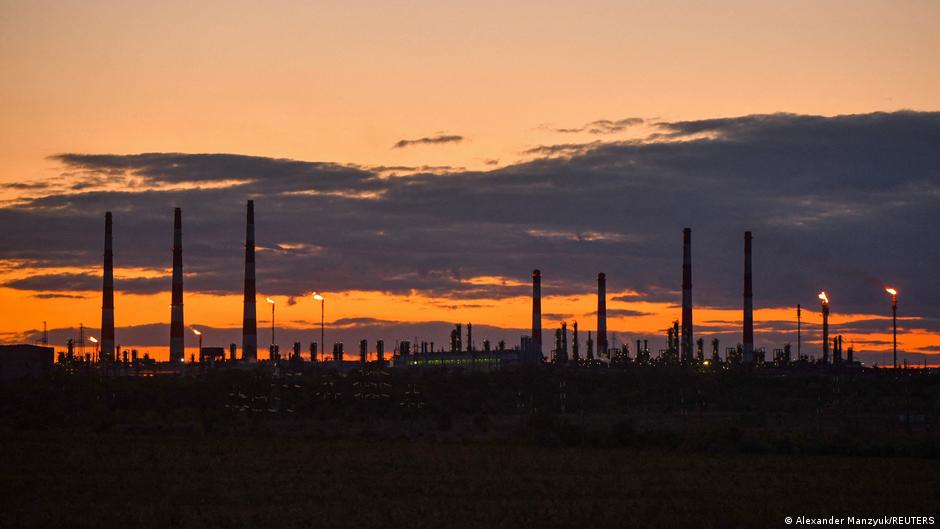
A fire broke out in Sasovo, in Russia’s Ryazan region, on the territory of the Sasta plant, where a Yandex DC data center is located, according to the Russian-language outlet Astra. The enterprise produces computer numerical control, or CNC, metalworking machines.
Astra said its assessment was based on open-source intelligence analysis. The outlet reported that the fire began on the grounds of the Sasta machine-tool plant, which also hosts the data center of Yandex DC LLC. In a Telegram post published overnight on Thursday, October 8, Astra said employees of the data center had shown its equipment last month and directly stated that it was located in Sasovo in the Ryazan region.
“Last month, the data center’s own employees showed its equipment and directly stated that it is located in Sasovo, Ryazan region,” Astra wrote.
The report could not be independently verified from the supplied source material. Still, for the digital economy, the location matters. Data centers are core infrastructure for cloud computing, online services, payments processing, digital banking tools, trading platforms, cybersecurity systems and crypto-related services. Even a localized incident can attract scrutiny if it appears near facilities connected to cloud availability or sanctioned industrial production.
Cloud reliability comes into focus
Astra later drew attention to a separate notice about disruptions in the power supply to an individual availability zone of the Yandex Cloud platform. According to the source article, the Yandex Cloud team said 40 minutes after the reports appeared that the situation had stabilized.
The reported interruption was brief, but availability-zone incidents are closely watched by companies that rely on cloud platforms for payment gateways, fraud monitoring, customer authentication, back-office banking software and digital commerce. In cloud architecture, availability zones are intended to isolate failures and reduce the chance that a single local disruption affects broader services. When power issues are reported in one zone, clients typically look for signs of latency, downtime, failover performance and data integrity risks.
For fintech companies, the most immediate concern is not necessarily physical damage but service continuity. Payment processors, neobanks, lending platforms and crypto exchanges depend on low-latency infrastructure and resilient hosting. If a cloud zone experiences instability, even briefly, it can trigger operational reviews by clients that run regulated or financially sensitive workloads. The source article does not state that payment systems, banks, crypto platforms or trading applications were disrupted, and it gives no figures for damage or downtime beyond the Yandex Cloud stabilization update.
The incident also underscores a broader market question for technology stocks and cloud-linked businesses: investors increasingly evaluate digital platforms not only by growth metrics, but by their exposure to infrastructure, geopolitical and cybersecurity risks. In wartime conditions, cloud operators can face pressure from physical incidents, power disruptions, sanctions exposure and customer concerns about redundancy.
Sasta’s industrial role and sanctions profile
According to Astra, Sasta specializes in the production of CNC metalworking machines. The outlet reported that the plant’s equipment is used in the defense, aerospace, transport and heavy-industry sectors.
Astra wrote that Sasta’s importance to Russia’s military-industrial complex lies not in the production of finished weapons, but in supporting the manufacturing base. Its machines are needed to make high-precision metal parts and assemblies, the outlet said. That distinction is significant for sanctions and supply-chain analysis: industrial equipment can be strategically important even when it is several steps removed from final military systems.
The source article notes that Sasta is under sanctions imposed by Canada, Switzerland, the European Union, the United Kingdom, Australia, New Zealand and Japan. For digital-infrastructure firms, any proximity to sanctioned industrial assets can become an added reputational and compliance concern, particularly when cloud infrastructure, power systems and industrial facilities share geography or services. The source does not state that Yandex DC is itself sanctioned in connection with the Sasta site, nor does it establish that the reported fire directly affected the data center.
From a cybersecurity perspective, incidents around data centers often prompt a second layer of scrutiny. Physical disruptions can coincide with, or be mistaken for, cyber incidents if customers experience service interruptions. Cloud providers must therefore communicate clearly about whether outages are linked to power, networking, hardware, software or hostile activity. In this case, the supplied source mentions power-supply disruptions in a separate Yandex Cloud availability zone and says Yandex Cloud later reported stabilization; it does not describe a cyberattack.
Data centers as wartime infrastructure
The article places the Ryazan report against the backdrop of attacks on data and telecom infrastructure in Ukraine. On the evening of September 25, Russian armed forces began striking infrastructure belonging to the Ukrainian telecommunications operator Cosmonova, including a data center, according to the source. As a result, there were disruptions to internet and television service in Kyiv.
On October 3, Ukrainian President Volodymyr Zelensky commented on strikes against Ukrainian data centers. He said they affected people and were not military infrastructure. “They are hitting data centers. All of this concerns people. This is definitely not some kind of military infrastructure. How can one hit data centers, mobile communications?” he said, adding that communications are used not only in Ukraine but also in Moscow.
For the fintech and digital economy, the pattern is clear: data centers have become critical civilian infrastructure because they support everyday transactions, communications and public services. When cloud facilities, telecom networks or power systems are affected, the consequences can extend well beyond the physical site. Digital banking access, card payments, online commerce, identity verification, media distribution and enterprise cybersecurity tools all depend on the same underlying infrastructure.
The reported fire at the Sasta site therefore lands at the intersection of several risks: cloud resilience, sanctioned industrial capacity, wartime infrastructure vulnerability and the reliability expectations placed on large technology platforms. The facts in the source remain limited: Astra reported a fire on the territory of the Sasta plant in Sasovo, identified the presence of a Yandex DC data center there, noted a brief Yandex Cloud power-supply disruption in an individual availability zone, and said Yandex Cloud later reported that the situation had stabilized. For digital-service providers and their customers, those limited facts are still enough to make redundancy, transparency and infrastructure mapping central questions.