Ukraine Denies Trump Urged Zelensky to Hold Putin Talks in Moscow
Kyiv rejected a Bloomberg report as Washington pressed for limits on energy attacks amid diesel price concerns.
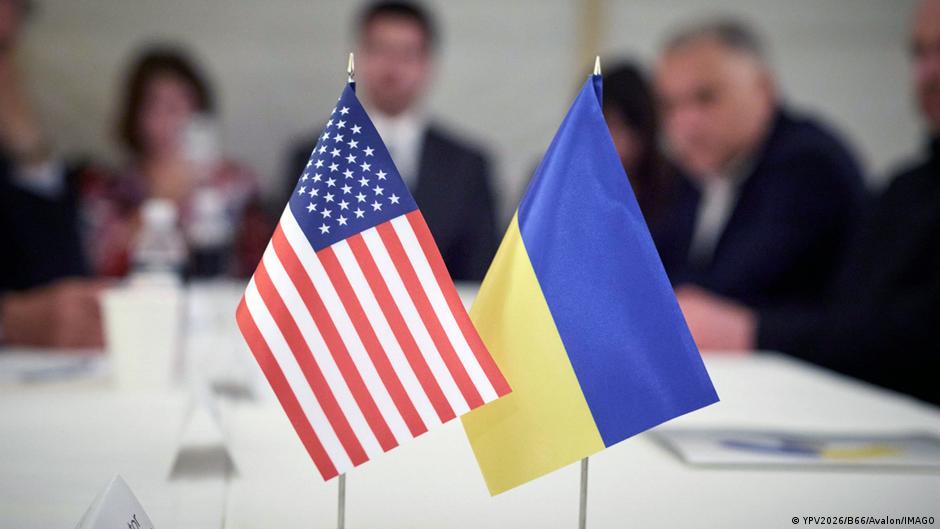
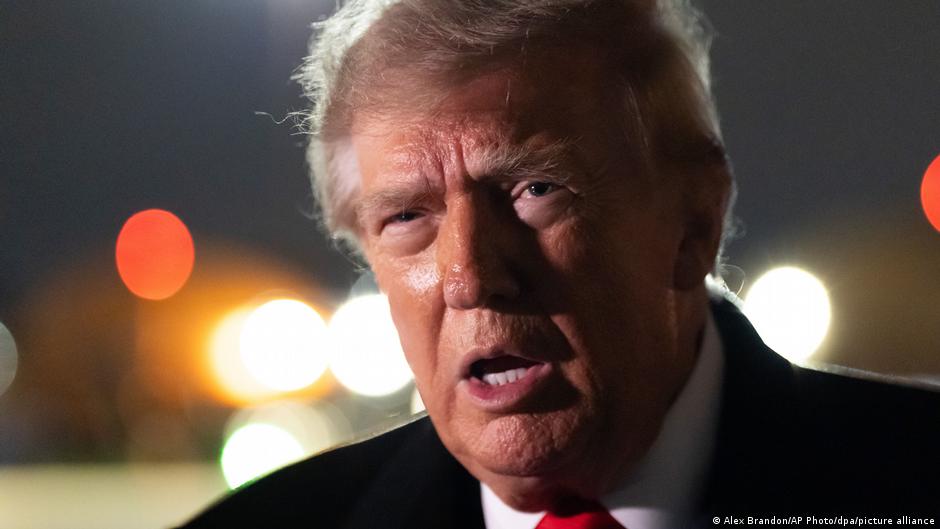
Ukraine’s presidential office has denied a report that U.S. President Donald Trump suggested Volodymyr Zelensky travel to Moscow for talks with Russian President Vladimir Putin, a claim that had added a politically sensitive layer to renewed diplomatic maneuvering around the war and its economic spillovers.
The denial came after Bloomberg reported, citing sources, that Trump made the proposal during a meeting with the Ukrainian president on the sidelines of the United Nations General Assembly in New York. According to that account, Zelensky refused the idea, and people close to the Ukrainian leader told the agency that the suggestion upset him.
“This is false information,” Ukrainian presidential communications adviser Dmytro Lytvyn told Ukrainska Pravda, according to the report.
The episode underscores how quickly diplomatic signals around the war can move markets and risk models, particularly when they touch energy infrastructure, fuel costs, sanctions policy and the operating environment for banks, payments companies and technology firms with exposure to Europe. For the digital economy, the immediate significance is not only whether negotiations occur, but whether any arrangement reduces attacks on energy assets that help determine fuel prices, logistics costs and inflation expectations.
Energy Infrastructure Remains Central to Economic Risk
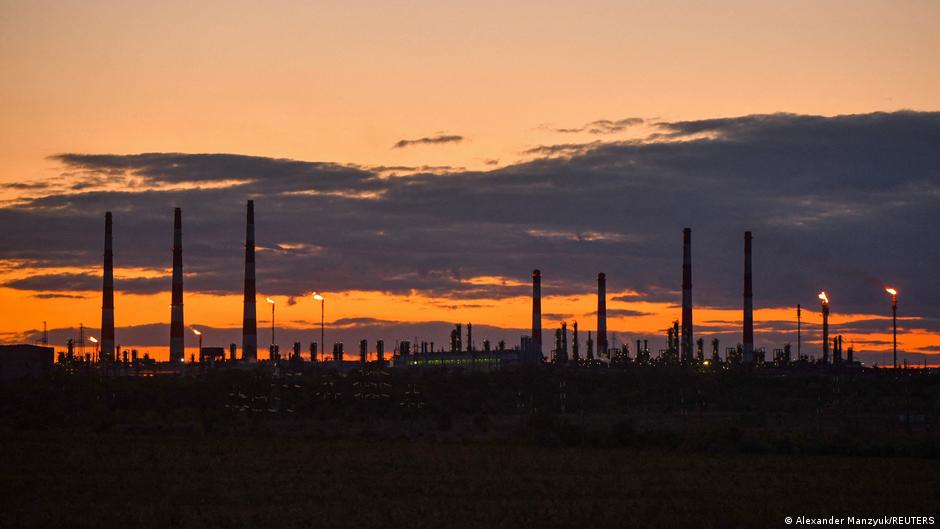
Bloomberg reported that Zelensky and Russian Foreign Minister Sergei Lavrov held separate meetings in New York this week with representatives of the Trump administration. According to the agency, Washington was pressing Moscow and Kyiv to agree to stop attacks on energy facilities against the backdrop of rising global diesel prices.
That focus is directly relevant to financial technology and digital commerce. Diesel prices feed into freight, delivery, agricultural and industrial costs, which can affect consumer prices and margins across online retail, platform businesses and cross-border trade. For payment networks and digital banks, higher energy and transport costs can show up indirectly in transaction volumes, credit performance, merchant stress and inflation-linked policy expectations.
The war has also kept cybersecurity and operational resilience high on the agenda for financial institutions. Energy networks, payments infrastructure and banking systems are increasingly intertwined through digital monitoring, automated billing, cloud services and real-time settlement tools. A diplomatic push aimed at energy facilities therefore carries implications beyond the commodity market, touching the reliability of digital services and the risk profile of companies that provide financial rails.
While the reported Moscow proposal has been denied by Kyiv, the broader diplomatic activity remains active. Zelensky said on September 25 that trilateral technical-format talks involving the United States, Ukraine and Russia could take place in the United Arab Emirates. Such a venue would place the potential discussions in a major financial hub with deep links to global banking, capital flows and digital-asset activity.
Diplomacy, Sanctions and Market Signaling
The Kremlin has rejected a recent Kyiv proposal to hold talks on ending the war during a G20 summit in Miami, where Washington had invited Putin. Russia has repeatedly emphasized that a meeting between Putin and Zelensky would be possible only in Moscow.
On September 23, Kremlin spokesman Dmitry Peskov said the Ukrainian president, “if he wants,” could come to Moscow, where he would be given the necessary security guarantees. In June, Putin said Zelensky had asked him for a personal meeting through one of the Russian businessmen. Zelensky later said he had sent a message to the Kremlin leader through Roman Abramovich.
For investors in tech stocks and financial platforms, the details of diplomatic choreography matter because they can alter assumptions about sanctions duration, energy volatility, defense spending, cyber risk and reconstruction timelines. A credible path toward de-escalation could affect European equities, banking exposure, payment corridors and venture sentiment. Conversely, confusion or conflicting accounts can increase uncertainty, which often leads firms to delay investment, strengthen compliance controls or reprice regional risk.
Sanctions and counter-sanctions remain a core issue for digital finance. Any discussions involving the United States, Ukraine and Russia would be watched for signs of whether restrictions on banks, payment channels, technology exports, crypto activity or energy transactions might change. The source article does not report any specific sanctions proposal, but the existence of talks or proposed formats is enough to draw scrutiny from compliance teams across global financial institutions.
Crypto markets also have reason to follow the diplomatic track closely. Since the start of the war, digital assets have been discussed in connection with fundraising, capital movement, sanctions enforcement and financial access. A UAE-based technical format, if it materializes, would likely attract attention from digital-asset firms and regulators because the region has positioned itself as an important hub for crypto, fintech and international finance. Still, no claim in the source indicates that crypto policy itself was on the agenda.
The Ukrainian denial narrows one element of the story: Kyiv says Trump did not propose that Zelensky go to Moscow for talks with Putin. Yet the surrounding facts point to continued U.S. involvement in searching for formats that could reduce military and economic pressure, including around energy infrastructure.
For the digital economy, the larger issue is the durability of any diplomatic channel. Payment companies, banks, cybersecurity providers and technology investors are not only reacting to battlefield developments; they are also trying to read whether political negotiations can reduce disruptions to energy systems, cross-border commerce and financial networks. The latest exchange shows that even disputed reports can become part of the risk landscape when the war intersects with fuel prices and global market confidence.