Macron Says Russian Mobilization Scenario Is Credible as Europe Faces Hybrid Threats
France is assessing the possibility of a new Russian mobilization while warning that Europe’s digital and critical infrastructure may be targeted.
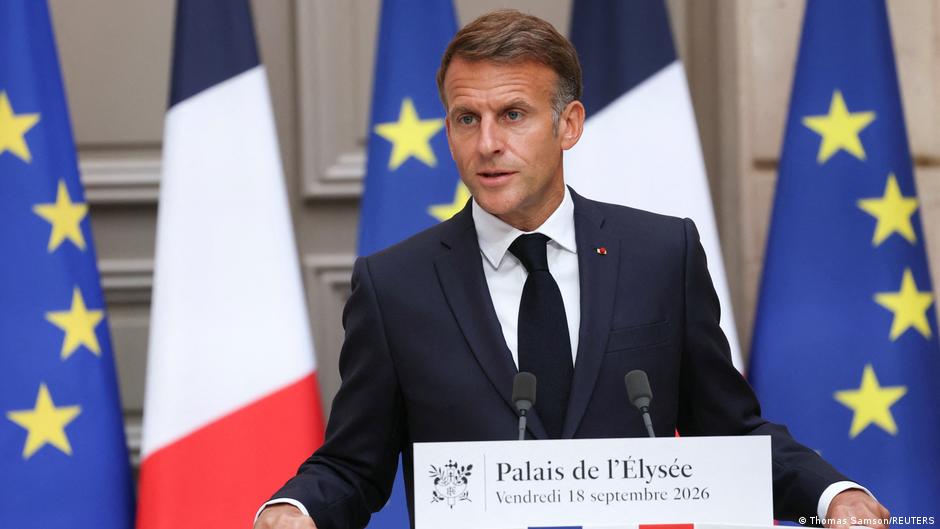
French President Emmanuel Macron has said France considers it credible that Moscow could mobilize around 300,000 people, while warning that hostile activity across Europe has increased and could put the continent’s critical infrastructure, information systems and cyber networks under greater pressure.
Speaking on Thursday, September 24, on TF1 and France 2, Macron said Russian authorities had waited until after elections held from September 18 to 20 for the State Duma before moving toward such a step. He added that it remained unclear whether any mobilization would be announced publicly or carried out in a concealed manner.
“They waited for their elections, the elections have passed, and today it is clear that Russia will do this,” Macron said.
The French leader said there had been several signs indicating that Russia was preparing for such a move. Referring to assessments from U.S., European and Ukrainian intelligence services, he described the scenario as one that France sees as credible.
For financial markets and the digital economy, the remarks point to a broader security risk that goes beyond troop numbers. Macron linked the potential mobilization to a wider pattern of hostile activity in Europe, including information operations and cyber activity. Those areas are central to the resilience of payment networks, digital banking platforms, crypto infrastructure, cloud services and publicly listed technology companies.
Hybrid Risks Move Closer to Financial Infrastructure
Macron warned that hostile actions across Europe had intensified in recent weeks. He said he had convened representatives of political forces the previous week to warn them about the development of the threat and its consequences for France.
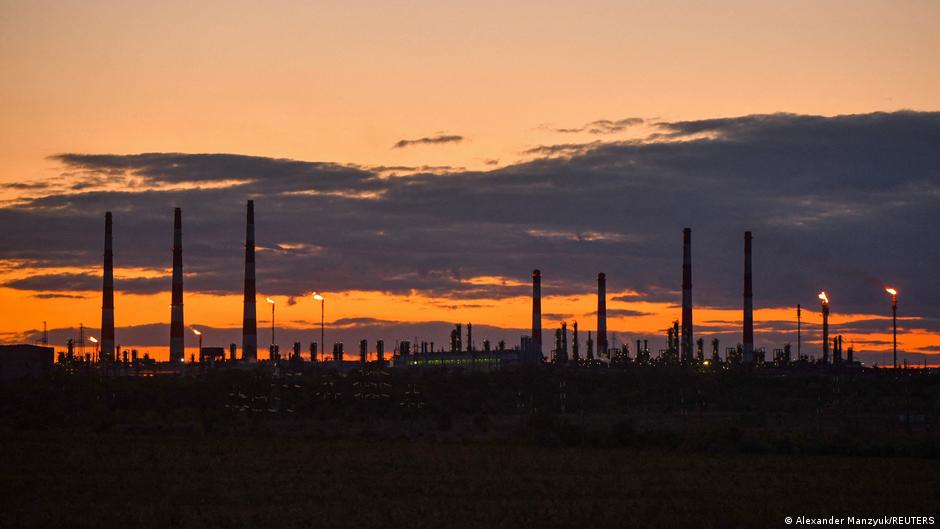
According to Macron, Russia views Europe as Ukraine’s strategic rear because Europeans are helping Ukrainians and because Kyiv is striking oil refineries and other facilities in Russia in an effort to force Moscow to end the war. For that reason, he said, Europe could become a target.
The French president specifically pointed to attacks in the information sphere through the spread of falsehoods, as well as attacks in cyberspace. Those warnings are especially relevant for the financial technology sector, where trust, uptime and identity protection are core operating requirements. A surge in cyber incidents can affect payment processors, digital banks, crypto exchanges and market infrastructure even when the immediate targets are government systems or energy and transport assets.
Macron’s comments also come after he said on September 18 that France was preparing a plan to protect critical infrastructure amid the rising threat of hybrid attacks from Russia. In a modern economy, critical infrastructure includes not only physical facilities but also the digital layers that support retail payments, bank authentication, securities trading, data centers and communications links used by businesses and consumers.
For fintech companies and banks, the practical exposure lies in operational resilience. Disinformation campaigns can undermine confidence in institutions. Cyberattacks and hacks can interrupt services, compromise customer data or trigger costly remediation. Attacks on power, telecoms or cloud-linked infrastructure can ripple across digital services even when financial firms are not the first target.
Cybersecurity and Tech Stocks in Focus
The broader European security environment has already included allegations against Russia involving election interference and the use of migrants as a tool of pressure on Europe. European intelligence services are now also suspected of examining a Russian link to acts of sabotage, arson, attacks on critical infrastructure and airspace violations.
Sources cited in the Russian-language report said many incidents, particularly cyberattacks and hacks, are not publicly disclosed. As a result, they said, the scale of Russia’s hybrid attacks is significantly larger than what is visible to the public.
That hidden dimension matters for investors. Publicly traded technology firms, cybersecurity providers, banking software vendors and cloud-exposed companies are often assessed on growth, margins and market share. But a deteriorating threat environment can elevate security spending, increase insurance and compliance costs, and raise scrutiny from regulators and customers. For cybersecurity firms, demand may rise; for companies operating critical digital services, the same environment can bring higher risk and heavier obligations.
Crypto markets may also be sensitive to the same dynamics. Digital assets operate across exchanges, custodians, wallets, stablecoin rails and blockchain analytics providers. While Macron did not address crypto directly, the cyber and information threats he described are relevant to any sector that depends on secure digital identity, uninterrupted connectivity and user confidence. Hacks, coordinated misinformation or disruption of infrastructure can move quickly across borderless digital markets.
The possible mobilization of around 300,000 people, as described by Macron, would therefore be read not only as a military development but also as a signal of prolonged geopolitical pressure. In Europe’s digital economy, prolonged pressure can translate into sustained demand for cyber defenses and operational redundancy, as well as volatility for tech stocks exposed to defense, energy, finance and infrastructure themes.
Macron’s central warning was that Europe’s role in supporting Ukraine makes it vulnerable to being targeted. For banks, fintechs and digital platforms, that means geopolitical risk is no longer confined to sanctions, energy prices or defense spending. It also runs through payment systems, data integrity, cloud availability, customer trust and the cybersecurity posture of companies that form the backbone of Europe’s increasingly digital economy.