Zelenskyy Says U.S.-Russia Diesel Deal Risks Funding War and Markets
Ukraine’s president warned that easing Russian fuel exports without a de-escalation deal could prolong the war and reshape energy-linked market risk.

Ukrainian President Volodymyr Zelenskyy on Friday sharply criticized a U.S.-Russia agreement on global supplies of Russian diesel fuel, calling the White House decision an “investment in war” and warning that any sanctions relief without a clear de-escalation framework would strengthen Moscow’s hand.
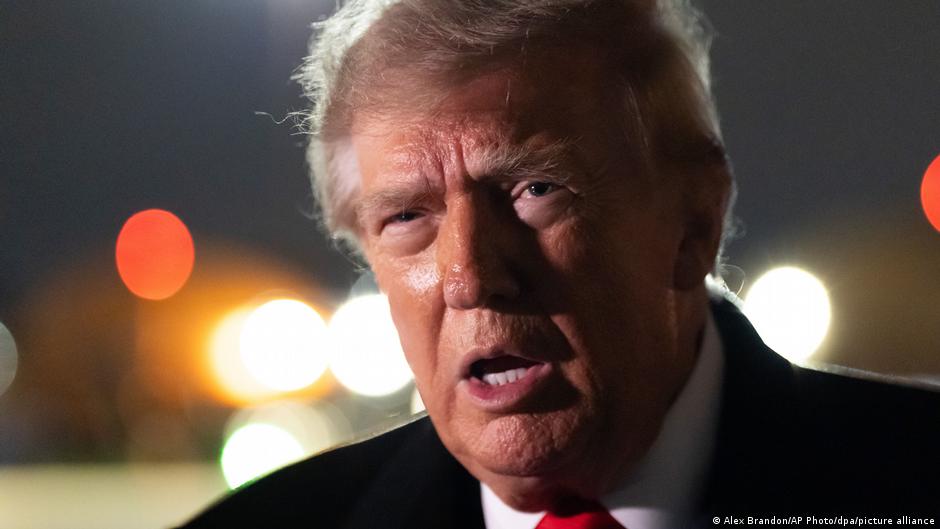
The criticism came after U.S. President Donald Trump said on Friday, October 9, that he had held “very successful” talks with Russian President Vladimir Putin. According to Trump, the discussions produced an agreement on supplies of Russian diesel to the United States and the global market. The same day, the U.S. Treasury Department announced that, at Trump’s direction, the Office of Foreign Assets Control would immediately issue a temporary general license allowing Russian diesel fuel supplies to reach the global market.
For energy markets, the move points to a potentially significant shift in supply expectations. For financial markets, it adds a new layer of sanctions, compliance and geopolitical risk for banks, payment providers, commodity traders, insurers and digital platforms that process or monitor cross-border flows linked to Russian energy.
“Permission for Russia to sell petroleum products is an investment in the war that must be ended, not continued,” Zelenskyy wrote.
Zelenskyy argued that concessions to Putin would not bring peace. He said Russia would “thank” the world for diesel with further terror and what he described as further acts of baseness. The Ukrainian leader also called on Washington to increase pressure on Russia to secure a ceasefire, saying Kyiv was ready for reciprocal steps aimed at de-escalation.
Sanctions Relief Raises Compliance Stakes
The temporary OFAC license is central to the financial implications of the decision. In practice, any authorization involving Russian diesel would require market participants to examine the exact scope, duration and permitted counterparties of the license. That matters not only for oil traders but also for banks, fintechs, payment processors, shipping finance providers and compliance technology vendors that screen transactions against sanctions rules.
Even a narrow temporary license can create operational complexity. Financial institutions must distinguish between newly permitted activity and transactions that remain restricted. That distinction can affect wire transfers, trade finance, letters of credit, insurance payments, commodity hedging and settlement flows. In the digital economy, automated screening systems and transaction monitoring tools may need rapid updates to prevent both prohibited processing and excessive blocking of lawful transactions.
Zelenskyy’s comments underscored the political risk attached to that compliance environment. He said Ukraine was proposing a reciprocal arrangement to the United States: Ukraine would not burn Russian oil refining capacity if Russia stopped destroying Ukrainian energy infrastructure. Zelenskyy said he believed the United States had enough power to achieve such a compromise.
“Ukraine will not burn Russian oil refining if Russia does not destroy our energy sector,” he said, adding that Kyiv was offering Washington exactly that kind of understanding.
His message links the diesel decision directly to the broader security of energy infrastructure, a sector that increasingly intersects with digital banking, cyber defense and electronic payments. Attacks on power grids and refineries can ripple through card networks, online banking availability, ATM access, data centers and telecom infrastructure. For fintech firms operating in Ukraine and the wider region, energy security is not an abstract commodity issue; it is a condition for maintaining digital services.
Fuel Flows and Market Risk
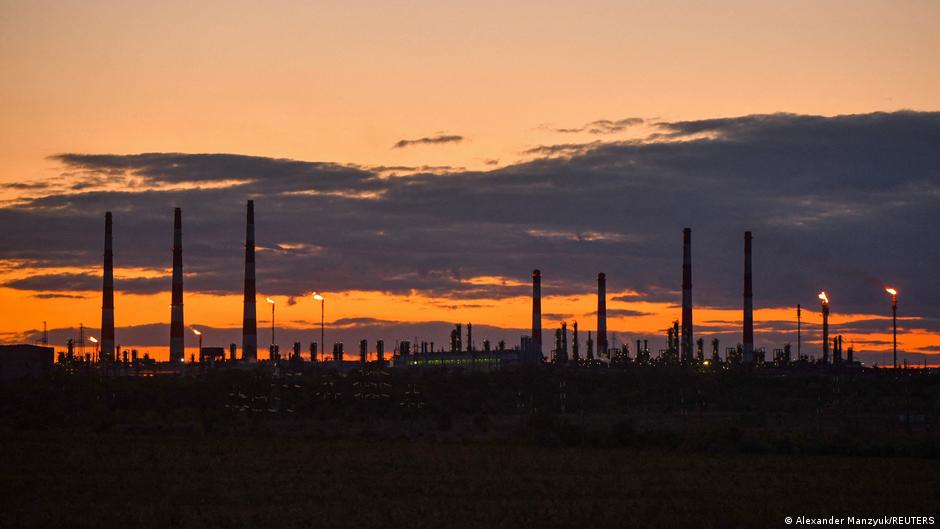
Russian Deputy Prime Minister Alexander Novak told TASS that Russia was immediately beginning to remove restrictions on diesel exports earlier than planned. He also confirmed Trump’s statement that Russian diesel exports could eventually reach 3 million tonnes per month.
That figure is large enough to influence market expectations for refined products, inflation inputs and transport costs. Diesel prices affect freight, logistics, agriculture, mining and data-center backup power, all of which feed into broader digital economy costs. Lower diesel prices could ease some pressure on supply chains, but the geopolitical premium attached to Russian-origin fuel may complicate how investors price the benefit.
Tech stocks and digital finance companies can be sensitive to such macro signals. Lower energy costs may support margins in energy-intensive sectors and reduce inflation concerns, which can be positive for growth equities. At the same time, renewed sanctions uncertainty can weigh on firms with exposure to cross-border payments, compliance infrastructure, cyber risk or emerging-market financial services.
Crypto markets may also watch the development through the lens of sanctions enforcement and energy policy. Russian-linked trade flows have repeatedly raised questions about how digital assets, stablecoins and offshore payment channels are monitored. A formal U.S. license for diesel exports would not remove the need for sanctions screening across digital asset platforms. Instead, it may sharpen the line between authorized commodity trade and prohibited circumvention.
Zelenskyy emphasized that any easing of sanctions against Russia without a clear agreement on de-escalation would be an obvious weakness. He said such a move would play into Russia’s hands and encourage it to kill more and fight longer.
That warning is likely to resonate with compliance departments and investors accustomed to treating sanctions as both a legal framework and a market signal. If energy-related restrictions can be loosened quickly through temporary licensing, institutions may need to prepare for faster policy swings. That can increase demand for real-time sanctions data, automated know-your-customer systems and transaction surveillance tools.
For Washington, the diesel agreement appears to be framed as a supply-side measure with global market implications. For Kyiv, it is a strategic concession that risks financing the continuation of war. For the fintech and digital economy sectors, the immediate issue is whether payment rails, banks and trading platforms can navigate a changing sanctions perimeter without enabling prohibited flows or becoming overexposed to political reversal.
The decision also places cyber and infrastructure risk back at the center of market analysis. Zelenskyy’s proposed reciprocal de-escalation formula explicitly ties Russian refinery operations to Ukrainian energy infrastructure. If no such arrangement is reached, energy systems may remain targets, with consequences that extend from fuel markets to digital banking resilience.
In that sense, the dispute over diesel is not only about barrels and tonnes. It is about how geopolitical decisions move through the financial operating system: licenses, payments, compliance software, risk models, cloud infrastructure, crypto surveillance and investor confidence. Zelenskyy’s statement made clear that Ukraine sees the U.S.-Russia fuel arrangement as more than a commercial opening. It sees it as a test of whether market access is being used to end the war or to prolong it.