U.S. Senators Urge Trump to Drop Russian Diesel Deal Over War Financing Risks
A bipartisan group says sanctions relief for Russian diesel would do little for U.S. fuel costs while strengthening Moscow’s war economy.
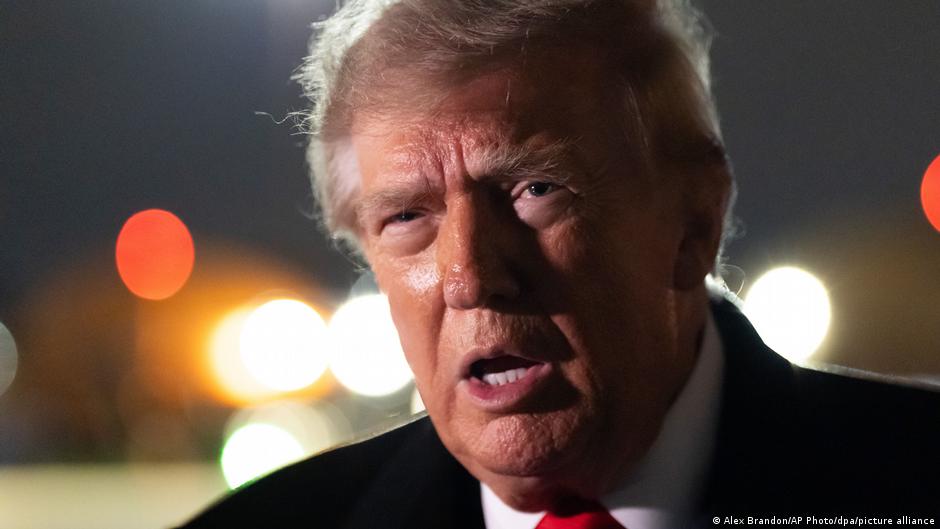
A bipartisan group of U.S. senators is urging President Donald Trump to abandon a proposed diesel arrangement with Russian President Vladimir Putin, warning that the deal would ease pressure on Moscow while offering little relief to American households facing high fuel prices.
In a letter sent on Tuesday, October 13, a group of 12 senators led by Democrat Richard Blumenthal called on Trump to reject the diesel agreement, which would allow Russian supplies back onto U.S. and global markets under a temporary suspension of American sanctions. Blumenthal published a copy of the letter on X.
The senators argued that Congress and the American public support ending the war in Ukraine, which they said has taken hundreds of thousands of lives over the past four and a half years. But they said any peace must be reached “on fair terms,” rather than through concessions that could provide the Kremlin with additional revenue.
“This deal is a gift to our adversary and a betrayal of our allies; it must be cancelled,” the senators said in the letter.
The dispute places energy flows, sanctions policy and global market stability back at the center of Washington’s economic debate. For payments firms, commodity traders, digital banks and crypto platforms, the outcome matters because sanctions carve-outs and enforcement rules shape which transactions can move through the financial system, which counterparties become risky, and how quickly compliance systems must adapt.
Sanctions Relief Raises Compliance Questions
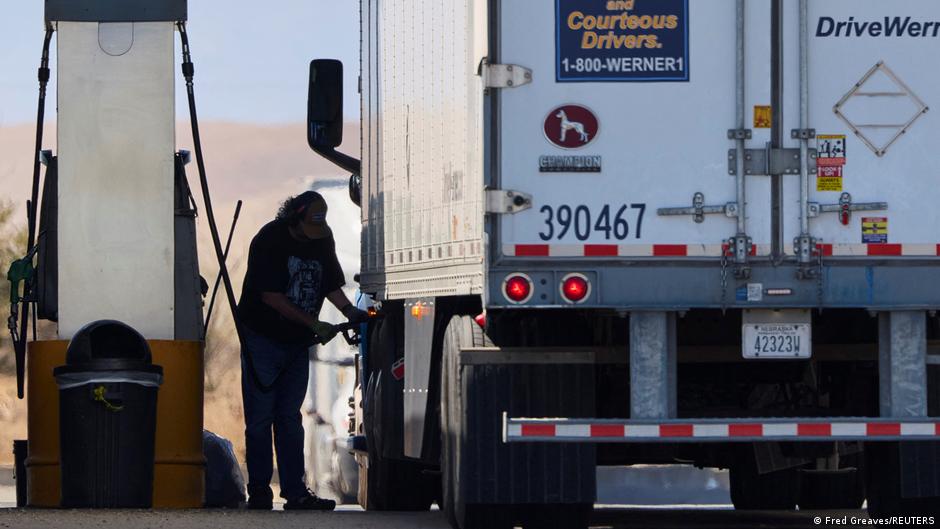
According to the letter, lifting U.S. sanctions on Russian diesel exports would “only supply Putin with additional funds to finance his war machine” and allow Russia to continue attacks on Ukrainian civilians. The senators said American families struggling with fuel prices were unlikely to see a meaningful improvement from the reintroduction of Russian diesel to the global market.
The argument is not only about fuel prices. It is also about the financial rails that support energy trade. Diesel shipments involve banks, insurers, brokers, shipping companies, commodity desks and payment processors. When sanctions are suspended, even temporarily, financial institutions must interpret the scope of the authorization, screen counterparties, update transaction monitoring and manage reputational risk.
That process is especially relevant for fintech firms that serve business clients in trade finance, cross-border payments or digital banking. A general license can create lawful space for specific transactions, but it does not remove the need for due diligence. Companies still have to determine whether a payment relates to permitted fuel cargoes, whether any blocked entities remain involved, and whether exposure to Russian-origin commodities fits their risk policies.
The senators urged Trump to increase economic pressure on “Russia and those who play the central role in enabling its war, particularly China.” They called on him to use powers granted under Lindsey Graham’s sanctions legislation targeting Russia and Iran. Copies of the appeal were sent to Secretary of State Marco Rubio and Treasury Secretary Scott Bessent.
The signatories included six Democrats: Richard Blumenthal, Jeanne Shaheen, Richard Durbin, Sheldon Whitehouse, Jack Reed and Christopher Coons. Six Republicans also joined: Mitch McConnell, Thom Tillis, Susan Collins, Alan Stuart Armstrong, Lisa Murkowski and John Cornyn.
Energy Deal Could Ripple Through Digital Markets
Trump announced on October 9 on Truth Social that he had held an “extremely successful” phone call with Putin. According to Trump, the two leaders agreed on supplies of Russian diesel fuel “to the American and global market.” He said Russian companies would “immediately” ship more than 300,000 tons, followed by another 500,000 tons in November, 1 million tons “immediately after that,” apparently in December, and later another 3 million tons depending on refinery conditions. The period for the final volume was not specified.
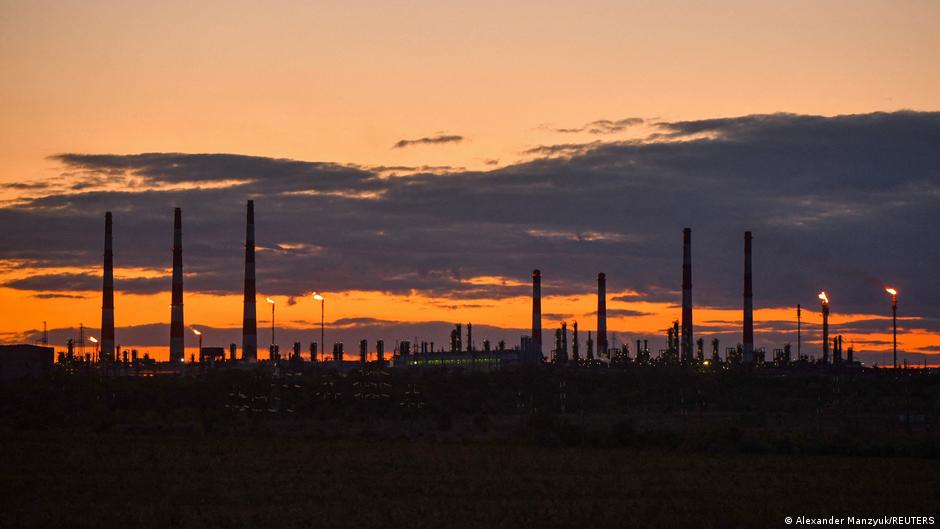
The U.S. Treasury, for its part, issued a general license suspending American sanctions on Russian diesel fuel until April 2027. Russian state television program Vesti reported on October 12 that the first shipment of Russian diesel had left St. Petersburg for the U.S. East Coast and that the vessel was expected to arrive within 48 to 72 hours.
For technology and financial markets, the political reaction could become as important as the fuel itself. Energy prices affect inflation expectations, interest-rate outlooks and the valuation of rate-sensitive technology stocks. At the same time, any shift in sanctions policy can influence compliance spending across banks and fintech companies, particularly those operating in payments, custody, crypto analytics and fraud detection.
Crypto firms may face particular scrutiny if sanctions enforcement tightens in response to the controversy. Digital-asset platforms are already expected to monitor wallets, counterparties and transaction patterns for sanctions exposure. If Washington moves to increase pressure on Russia and on third countries accused of enabling the war, exchanges and blockchain analytics providers could see heightened demand for screening tools and more aggressive enforcement expectations.
The senators’ central claim is that the diesel agreement would not deliver the consumer benefit promised by its supporters. Instead, they argue, the deal would provide Moscow with new income while weakening U.S. leverage. That framing turns a commodity supply decision into a broader test of economic statecraft, with consequences for banks, fintech infrastructure, energy traders and investors tracking the intersection of geopolitics and digital finance.
The White House’s next steps will determine whether the license remains a narrow market intervention or becomes a flashpoint in the wider debate over sanctions, Ukraine policy and the financial architecture behind global energy trade.