Italy and Germany Condemn Israel's Interception of Gaza Aid Flotilla Amid Rising Geopolitical Tensions
European nations urge adherence to international law after Israeli navy halts humanitarian convoy bound for Gaza.
Italy and Germany have jointly expressed deep concern over Israel's recent interception of a humanitarian aid flotilla destined for the Gaza Strip, calling for strict compliance with international law and restraint from irresponsible actions. The incident marks a significant flashpoint in the already complex geopolitical landscape surrounding Gaza's blockade and raises questions about the flow of humanitarian aid in conflict zones.
Humanitarian Aid and International Law Under Scrutiny
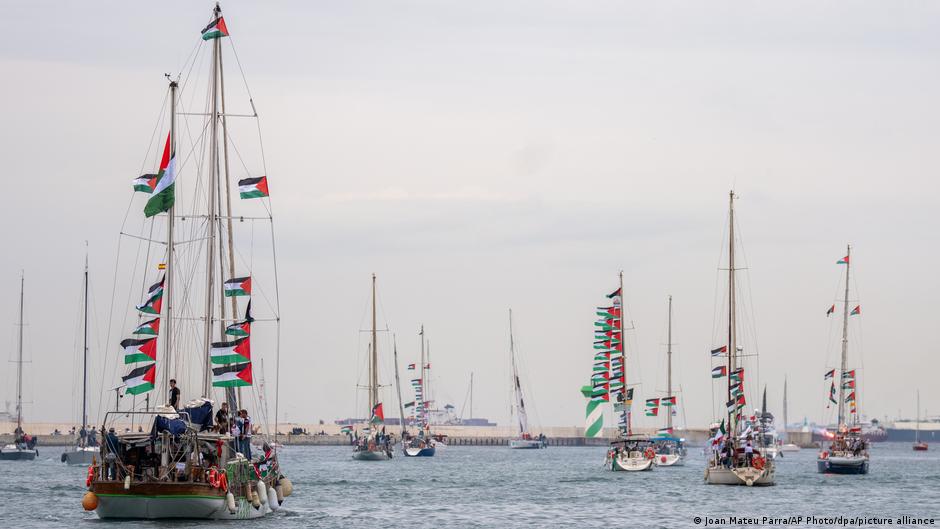
The flotilla, organized by the Global Sumud Flotilla group, consisted of over 20 vessels carrying aid supplies and activists aiming to deliver assistance to Gaza. In the early hours of April 30, Israel's naval forces stopped these ships in international waters off the coast of Crete and detained dozens of activists. Following the interception, some vessels resumed their journey along Greek territorial waters near Crete, but the flotilla's organizers have yet to announce their next steps.
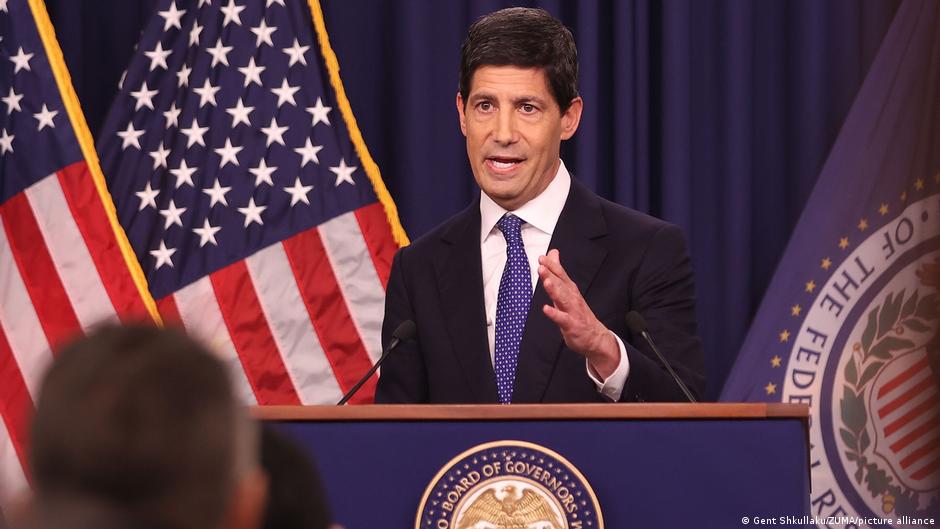
In a joint statement issued by the foreign ministries of Italy and Germany, the two countries stressed the urgent need for "unconditional respect for existing international law and a rejection of irresponsible actions." They reaffirmed their commitment, alongside the international community, to ensuring that humanitarian assistance reaches Gaza in a manner consistent with international legal frameworks and humanitarian standards.
"We call for the uncompromised observance of international law and caution against irresponsible behavior," the statement read.
The flotilla had departed from a Sicilian port on April 26, with organizers claiming it was the largest aid convoy ever attempting to reach Gaza. The activists, many of whom are pro-Palestinian, intended to challenge the maritime blockade imposed by Israel since 2007, which is also supported by Egypt. Their stated goal was not only to deliver aid but also to establish a permanent humanitarian corridor to the region.
The blockade has significant implications for the economic and social conditions in Gaza, where over two million people face restricted access to goods and essential services. The interruption of aid deliveries raises crucial issues related to the digital economy and fintech sectors, as the movement of funds and resources to humanitarian efforts increasingly relies on secure digital payment systems and transparent supply chains. Disruptions also heighten cybersecurity concerns, as activists and organizations must navigate complex and potentially hostile environments to coordinate and finance aid deliveries.
Context of Ongoing Conflict and Ceasefire Efforts
This latest episode comes amid fragile peace efforts in the region. In October 2025, Israel and Hamas agreed to a ceasefire brokered by the United States under former President Donald Trump's administration, with guarantees from several regional powers including Turkey, Qatar, and Egypt. The agreement included the release of Israeli hostages and Palestinian prisoners as confidence-building measures.
Furthermore, in January 2026, the U.S. announced the second phase of the peace plan, envisioning a transitional management of Gaza by a National Committee until the Palestinian National Authority is prepared to govern. The ongoing blockade and conflicts, however, continue to complicate humanitarian access and economic recovery, impacting digital infrastructures and the broader fintech landscape in the region.
Notably, the Global Sumud Flotilla has garnered support from high-profile activists such as Swedish environmentalist Greta Thunberg, who participated in a similar aid mission in August 2025. Thunberg and other activists emphasize the need to open humanitarian corridors that could facilitate larger-scale aid deliveries and economic stabilization efforts.
The incident underscores the intersection of geopolitical conflict, humanitarian aid logistics, and the evolving digital economy. As nations and organizations work to balance security concerns with humanitarian imperatives, the role of fintech solutions, secure payment systems, and digital communications will be increasingly critical in ensuring aid effectiveness while mitigating risks associated with cyber threats and political instability.