Uzbekistan Halts Gold Exports for Over Six Months Impacting Trade and Reserves
Gold exports have been suspended since September 2025, causing a nearly 30% drop in Uzbekistan's export volume amid fluctuating global prices.
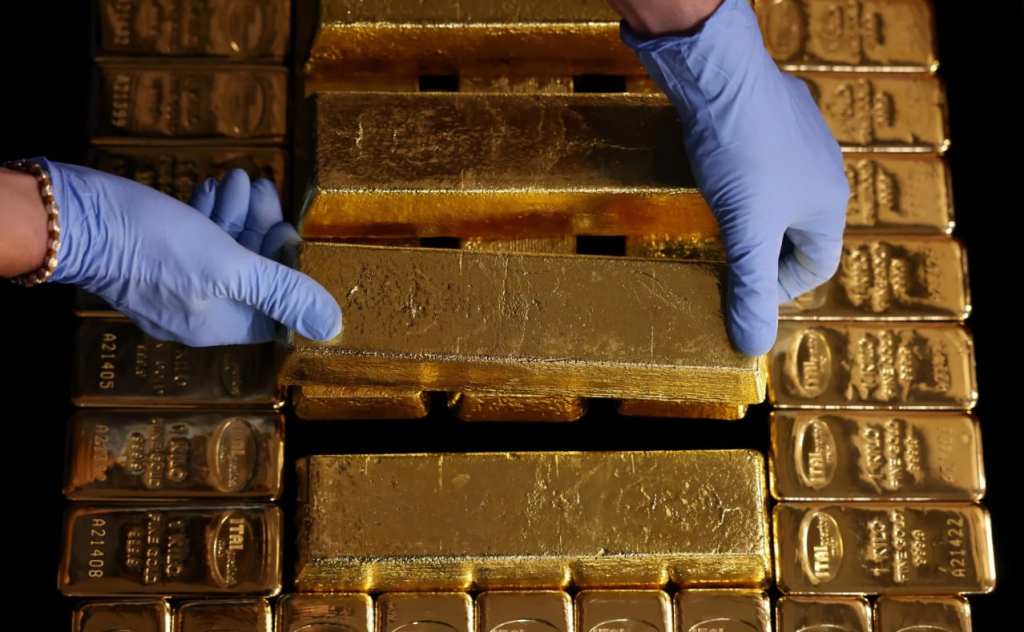
Uzbekistan has not exported gold since September 2025, marking the first time since 2023 that the country has completely halted gold sales. This move has led to a significant 29.3% decline in export volumes during the first quarter of 2026, reducing exports to $5.8 billion compared to the previous year.
Trade Dynamics and Gold Market Impact
Despite an overall 2.7% increase in Uzbekistan's foreign trade turnover to $18 billion in Q1 2026, the export contraction is primarily attributed to the cessation of gold sales. Meanwhile, imports surged by 30.8% to $12.2 billion, widening the trade imbalance.
Gold exports had already reached $3.6 billion in the first quarter of 2025, but the halt in sales in subsequent months, including March 2026, remains a critical factor in the reduced export figures this year. Gold prices during March dropped sharply from near $5,300 per ounce to about $4,400, making sales less attractive amid volatile market conditions.
"The Central Bank emphasized the importance of maintaining high gold reserves and indicated that the suspension of gold sales is a strategic decision to safeguard these reserves," stated a recent report.
These developments highlight the Central Bank's prioritization of sustaining gold reserves over short-term export revenues, a crucial consideration given the fluctuating global prices.
Trade Partners and Economic Implications
Uzbekistan's trade relationship with China strengthened further, with bilateral trade reaching $4.6 billion in the first quarter, accounting for a quarter of the country’s total foreign trade. Russia remains the second-largest trade partner at $3.3 billion, followed by Kazakhstan with $1.3 billion.
Notably, Uzbekistan recorded growth in trade volumes with its top 20 partners compared to 2025, despite the overall export decrease driven by halted gold exports.
The suspension of gold exports and its impact on the country's foreign trade figures could have wider implications for the fintech sector, particularly in digital banking and payments linked to commodity exports. The decline in export revenues may affect liquidity and cross-border payment flows, while the Central Bank’s actions to preserve gold reserves could signal shifts in national financial policy and currency stability measures.
As Uzbekistan navigates these trade dynamics, fintech players and investors in related tech stocks may find new opportunities and risks emerging from the evolving economic landscape shaped by commodity price volatility and strategic reserve management.


