UK Revokes Accreditation of Russian Diplomat Amid Espionage Dispute Impacting Diplomatic Relations
London responds to Moscow's expulsion of British diplomat with reciprocal withdrawal of Russian diplomatic accreditation.
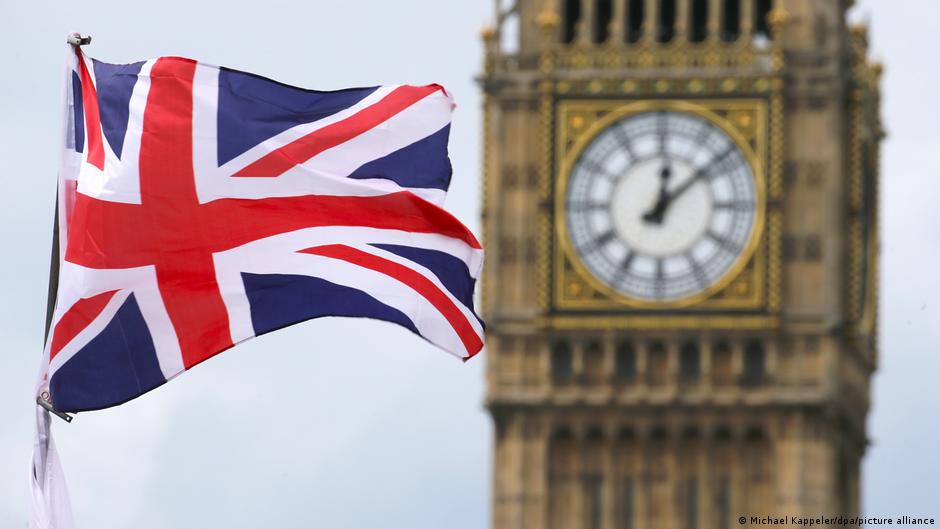
The United Kingdom's Foreign, Commonwealth & Development Office (FCDO) has formally withdrawn accreditation from one Russian diplomat in London, marking an escalation in diplomatic tensions fueled by espionage allegations between the two nations.
This move follows Moscow’s decision to expel a British diplomat, Janse van Rensburg, who was accused by Russian Federal Security Service (FSB) of engaging in activities threatening Russia's national security. In response, the UK summoned the Russian ambassador to deliver a clear message of condemnation and enforce a reciprocal sanction.
Diplomatic Retaliation Amid Espionage Allegations
The UK's official stance, articulated by a government spokesperson, condemned Russia's "unwarranted decision" last month to expel another British diplomat and criticized the subsequent public campaign aimed at discrediting UK diplomatic staff. The UK government declared such behavior unacceptable and indicated it would not tolerate intimidation or harassment directed at its diplomatic personnel.
"We have summoned the Russian Federation's ambassador to announce our reciprocal action: the withdrawal of accreditation for one Russian diplomat," the spokesperson stated, emphasizing that repeated "unprovoked and unjustified actions by Russia" undermine diplomatic efforts and form part of a wider pattern of "aggressive behavior" toward the UK.
London cautioned that any further provocative steps by Russia would be deemed an escalation and met with robust and proportionate responses.
These diplomatic maneuvers come after the FSB revealed that it identified signs of espionage activities by Janse van Rensburg, the second secretary at the British embassy in Moscow, and ordered him to leave Russia within two weeks. The UK Foreign Office rejected the allegations as "completely unacceptable" and reaffirmed its commitment to protect embassy staff and their families from intimidation.
Earlier this year, in January, Russia had also revoked the accreditation of Davis Garret Samuel, a 45-year-old employee at the British embassy, on accusations from the FSB claiming he was an undeclared operative of British intelligence services.
Implications for Digital Economy and Security
While this diplomatic conflict predominantly unfolds in the sphere of international relations, the repercussions resonate within the fintech and digital sectors. Heightened tensions between Britain and Russia exacerbate cybersecurity risks and complicate cross-border cooperation essential for secure financial transactions and digital banking operations.
Espionage allegations reflect the increasing significance of intelligence in safeguarding digital infrastructures, particularly in an era where cyber threats target payment systems, cryptocurrency exchanges, and fintech platforms. Diplomatic ruptures can hinder information sharing and joint cybersecurity initiatives crucial for combating cybercrime and protecting sensitive financial data.
Financial markets may also react to such geopolitical strains, with tech stocks experiencing volatility due to perceived risks in international cooperation and regulatory uncertainty. Firms involved in cross-border payments, blockchain technologies, and digital identity verification must monitor these developments closely.
As nations tighten diplomatic ties and reassess security postures, the fintech ecosystem faces both challenges and opportunities to innovate resilient, secure digital finance frameworks insulated from geopolitical conflicts.