Israeli Navy Detains Humanitarian Aid Ships Amid Gaza Blockade, Raising Digital Security Concerns
Israel intercepts several vessels from Global Sumud Flotilla carrying aid to Gaza, highlighting challenges in maritime digital communications and cybersecurity.
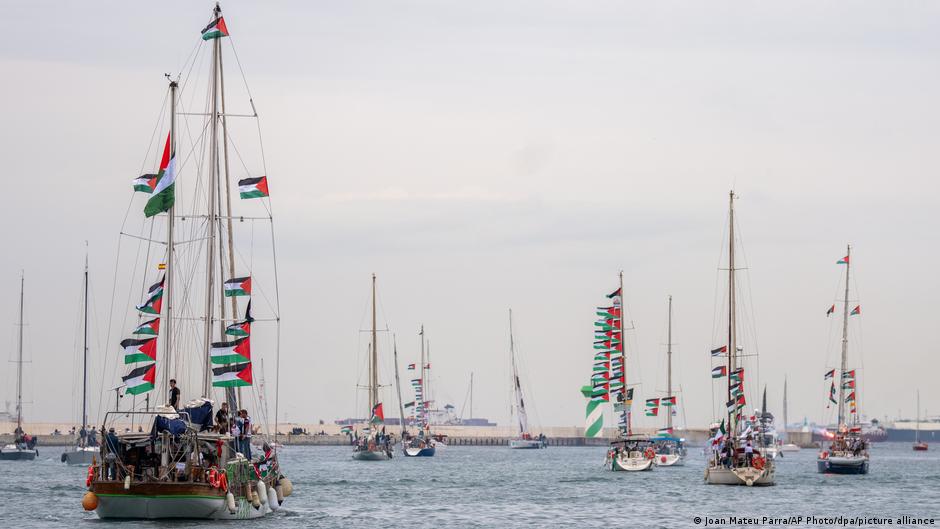
The Israeli Navy has detained multiple ships from the Global Sumud Flotilla, a humanitarian aid convoy en route to Gaza, underscoring ongoing maritime security tensions and raising questions about the digital infrastructure safeguarding aid operations.
The flotilla, which departed from a Sicilian port on April 26, was reportedly the largest ever attempt to breach the Israeli maritime blockade of Gaza, in place since 2007 and supported by Egypt. Contact with several vessels was lost, and distress signals were sent, indicating potential disruptions in digital communications onboard.
Maritime Blockades and Digital Vulnerabilities
The Israeli Defense Forces announced that detained vessels would be towed to the port of Ashdod. The blockade aims to restrict access to Gaza, where humanitarian conditions remain critical. The Global Sumud Flotilla's mission is not only to deliver aid but also to advocate for the establishment of a permanent humanitarian corridor.
"Currently, Israeli armed forces are enforcing a maritime blockade of Gaza," the organization stated, emphasizing the breakdown in ship-to-shore communication during the interception.
The interruption of communication links during the operation highlights the vulnerability of maritime digital networks amid geopolitical conflicts. Ensuring secure and reliable digital channels is crucial for coordinating humanitarian missions and safeguarding crews at sea.
Notably, prominent activist Greta Thunberg confirmed her participation in a previous 2025 aid flotilla organized by Global Sumud Flotilla, which also aimed to open a humanitarian corridor to Gaza.
Implications for Fintech and Digital Economy
Beyond physical security concerns, the incident reverberates within the fintech and digital economy sectors. The enforcement of blockades impacts payment flows and logistics for humanitarian aid, challenging digital banking systems and crypto transactions designed to facilitate cross-border funding in restricted zones.
Furthermore, cybersecurity risks intensify as maritime communication systems become targets for disruption or interception, potentially affecting digital identity verification, transaction security, and real-time operational data transmission.
Geopolitical conflicts like the Gaza blockade may prompt fintech companies and digital banking platforms to innovate robust, decentralized technologies that can withstand such disruptions, ensuring uninterrupted support for humanitarian and commercial activities.
In October 2025, a ceasefire agreement between Israel and Hamas, brokered by the US, Turkey, Qatar, and Egypt, aimed to stabilize the region, with the US-led National Committee overseeing Gaza's governance transition. However, maritime tensions persist, as exemplified by the recent flotilla interception.
This episode underscores the intertwined nature of geopolitical events and the digital economy, highlighting the importance for fintech and cybersecurity sectors to adapt to evolving conflict-driven challenges in payment and communication infrastructures.