US-Iran De-escalation Signals Potential Impact on Middle East Energy and Tech Markets
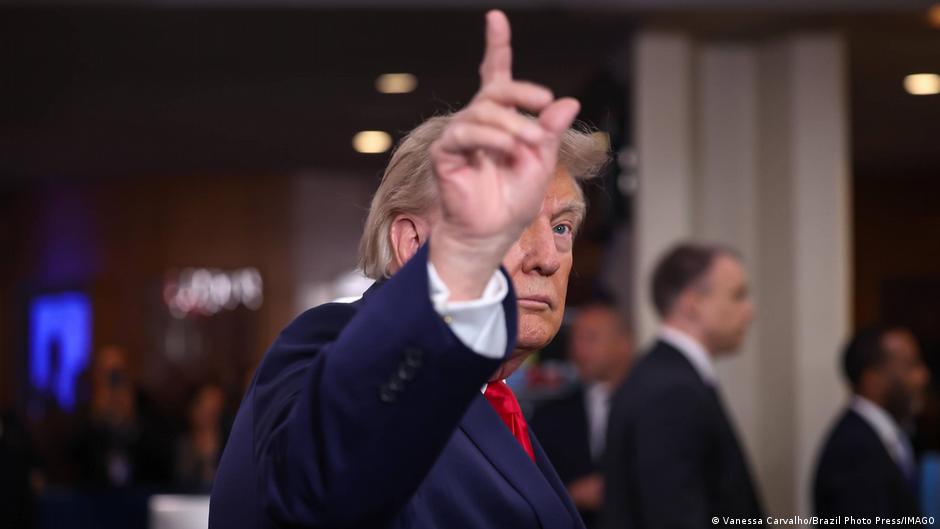
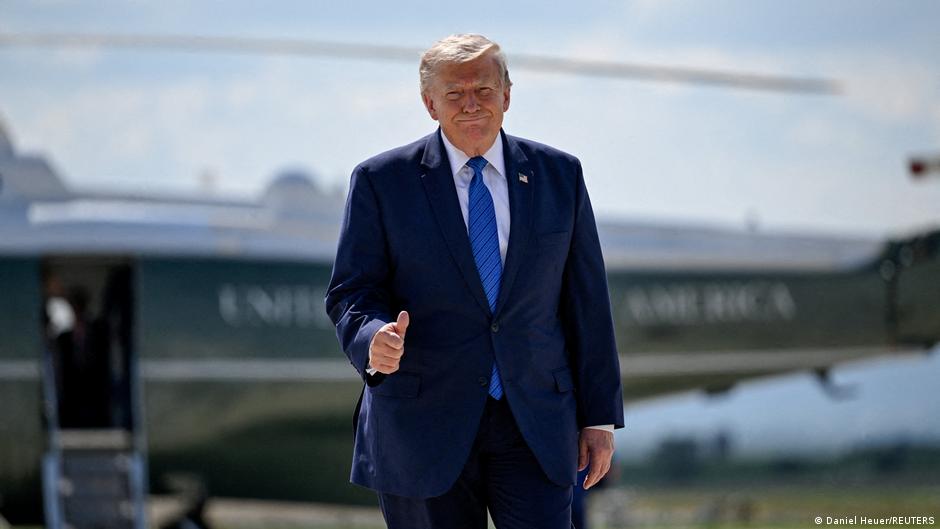
Trump cancels planned US strikes on Iran amid diplomatic progress, impacting energy flows, cybersecurity risks, and fintech markets in the Middle East.

Trump cancels planned US strikes on Iran amid diplomatic progress, impacting energy flows, cybersecurity risks, and fintech markets in the Middle East.

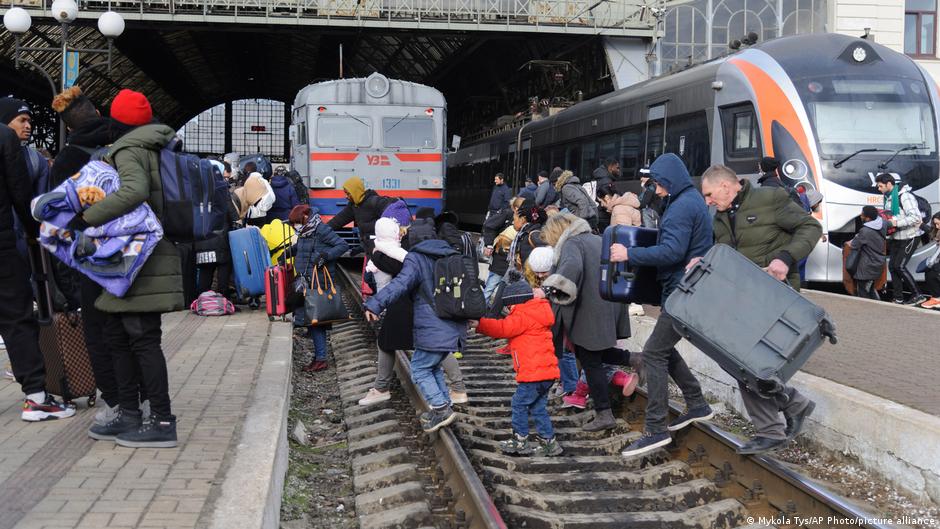
Russian drone strikes in Ukraine's Dnipropetrovsk region damage infrastructure and injure civilians, spotlighting cybersecurity challenges for fintech and digital economy sectors.

22 countries, including the US and Europe, condemn Iran's IRGC for orchestrating attacks on dissidents and Jewish communities, with major cybersecurity and fintech implications.

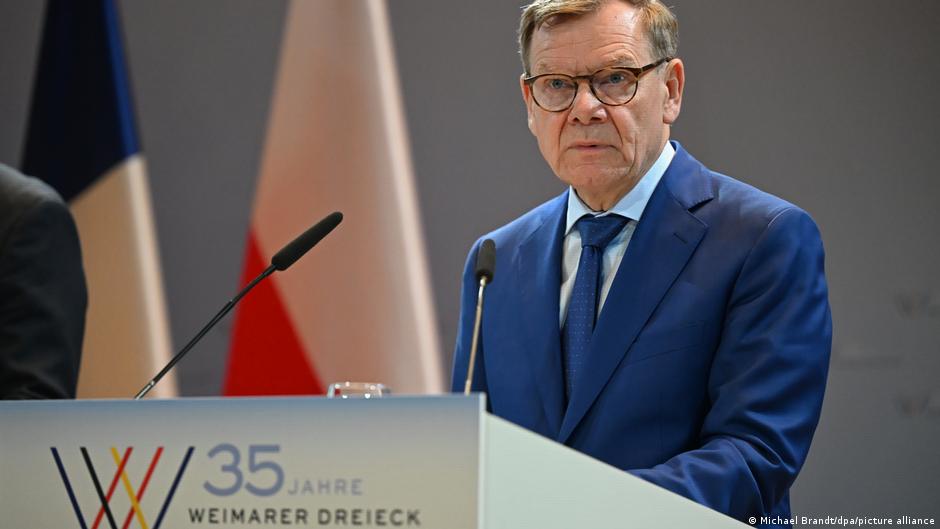
Germany pledges an additional €300 million to support the Czech initiative supplying 50,000 rounds of ammunition to Ukraine amid fewer NATO donors.

A US judge has ruled the Trump-era $100,000 H-1B visa fee unlawful, easing access to tech talent critical for the fintech and digital economy sectors.

Israeli airstrikes on Iran escalate tensions amid US-led peace talks, posing risks to fintech, digital payments, cybersecurity, and tech sector stability in the Middle East.

Russian drone attacks over Kyiv and eastern Ukraine raise alarm over impacts on fintech, digital banking, and cybersecurity amidst ongoing conflict.

Georgia arrests Russian Tatiana Kurashkevich over sanctions evasion amid FBI request, spotlighting risks in cross-border fintech compliance and financial crime enforcement.

Rheinmetall's €5.7B contract with Romania, funded by the EU's SAFE defense fund, advances defense tech, local production, and digital finance integration in European security.

Delayed payments from the US and China threaten the UN's budget stability, forcing drastic cuts and operational changes with broader fintech sector implications.

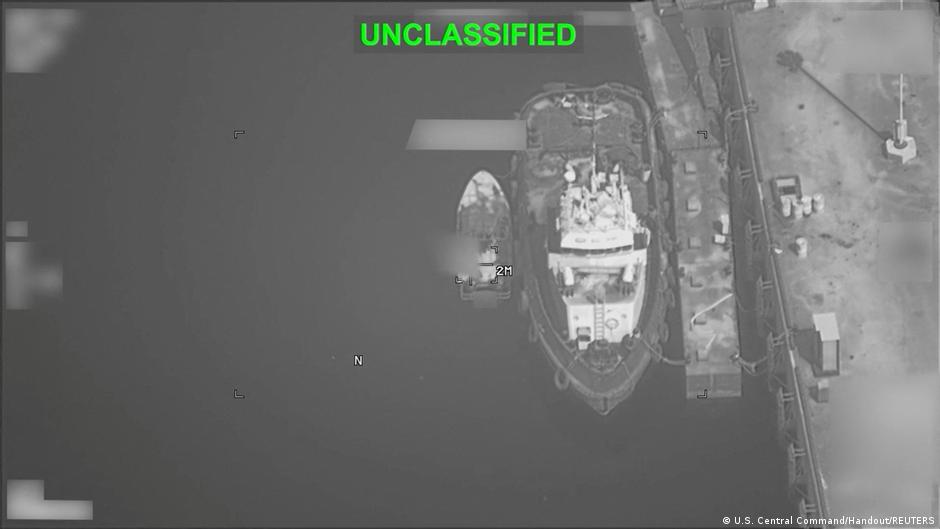
The US has clandestinely assisted about 70 commercial vessels through Iran-blocked Strait of Hormuz, impacting maritime security and digital tracking systems amid ongoing tensions.

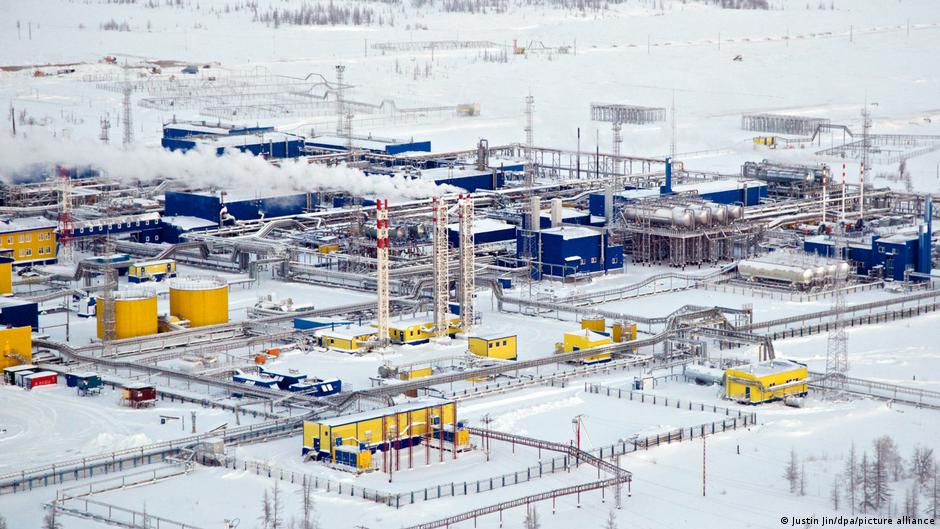
Drone strikes on oil facilities in Rostov and Saratov regions have ignited fires, exposing vulnerabilities in Russia's energy infrastructure with potential fintech and economic repercussions.

President Trump demands strict adherence to US 'red lines' in Iran nuclear talks, influencing fintech markets, cybersecurity, and global digital banking scenarios.

The EU delays appointing a negotiator for talks with Russia, focusing on sanction strategies affecting financial and defense sectors amid the Ukraine conflict.

SpaceX files for a historic IPO aiming to raise $75 billion, revealing detailed finances and highlighting its impact on digital economy and tech sectors.

Russian missile and drone strikes damage Ukrainian port and energy infrastructure, with growing use of UAVs signaling new challenges for digital economy and cybersecurity.

EU's top diplomat Kaja Kallas warns Russia, China, and the US employ divide-and-rule tactics to weaken EU unity, posing risks to fintech, digital banking, and cybersecurity integration.

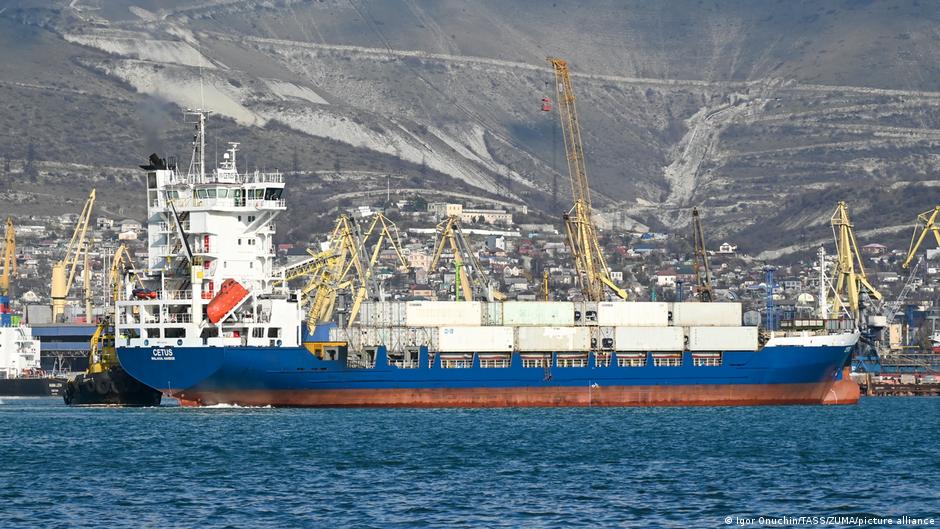
The US has ended its temporary waiver on sanctions for Russian oil shipments, impacting global energy payments and fintech compliance requirements amid geopolitical tensions.

The UK plans an £18 billion defense budget increase, impacting fintech, cybersecurity, and tech sectors amid political challenges facing PM Starmer.

Donald Trump reveals China’s interest in US oil and soybean purchases, signaling shifts in trade relations with implications for energy, commodities, and fintech sectors.

Trump's Beijing visit with Xi Jinping focuses on trade, energy security, and tech cooperation, influencing global fintech and digital economy sectors.

Uzbekistan’s meat imports rose 62.8% in early 2026, driven by slower domestic production and rising global prices, impacting consumer prices and digital economy dynamics.

Latvian Defense Minister resigns after drone incursions linked to Ukraine expose vulnerabilities in national airspace security and raise concerns for digital defense strategies.

US President Trump postpones raising auto tariffs on EU imports until July 4 amid ongoing disputes over compliance with a major trade agreement.

US-Iran talks near a breakthrough could ease sanctions and open new opportunities in digital payments, fintech, and cybersecurity sectors.

The UK plans to join an EU €90 billion loan program for Ukraine, enhancing defense cooperation and fintech integration between London and Brussels.

The ifo Institute warns Germany faces recession in 2026 due to US auto tariffs, with significant impacts on fintech, cross-border payments, and digital banking.
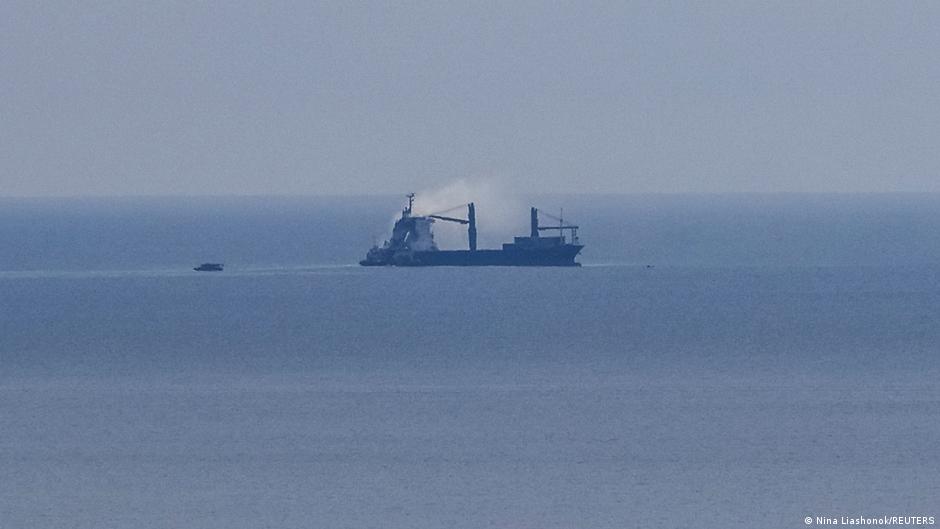
US warns European allies of significant delays in missile system ammunition shipments due to urgent replenishment amid conflict with Iran, impacting defense supply chains and allied readiness.

The EU-Mercosur free trade agreement starts provisional implementation, offering new opportunities and challenges for fintech, digital payments, and tech sectors across Europe and South America.

The UK has withdrawn accreditation from a Russian diplomat in response to Moscow's expulsion of a British diplomat accused of espionage, heightening diplomatic strain with implications for cybersecurity and fintech.

The US will issue special passports bearing President Trump's portrait to mark the 250th Independence anniversary, signaling new trends in digital identity and secure documentation.

Uzbekistan's banks expanded their loan portfolios to over 623 trillion soms in Q1 2026, with non-performing loans rising by 1.8 trillion soms, mainly in state banks.

Israel responded to Ukraine's protest over a Russian ship carrying allegedly stolen Ukrainian grain docked at Haifa, emphasizing legal review and lack of evidence.

Ryanair will close its Berlin base and cut flights by 50% citing high German aviation taxes and airport fees, reallocating aircraft to cheaper EU airports.

The US-mediated truce extension between Israel and Lebanon offers potential stability to enhance fintech and digital economy growth in the region.

Uzbekistan's March car sales rose 19% month-on-month, boosting prospects for fintech growth in digital payments and auto financing sectors.

NATO intercepted Russian bombers and fighters over the Baltic Sea, highlighting regional security risks with potential impacts on digital banking, fintech, and cybersecurity.

Tashkent’s markets achieved significant profit increases in 2025, driving growth in digital payment adoption and fintech innovation across the city’s retail sectors.

Bulgaria’s Progressive Bulgaria coalition, led by ex-president Rumen Radev, leads elections with over 40% amid anti-corruption and judicial reform demands, impacting the digital economy landscape.

Geopolitical tensions in Iran trigger aviation fuel shortages, forcing airlines to cut flights and prompting calls for coordinated EU response amid economic and fintech sector impacts.

Drone strikes on Russian oil depots ignite fires without casualties, raising cybersecurity and operational risks for critical energy infrastructure amid ongoing conflict.

The US has extended its waiver on sanctions for Russian oil shipments until May 16, raising concerns about sanction evasion and implications for fintech compliance and digital payments.

Dilshod Ahmedov, former chairman of Uzbekistan's O‘zmetkombinat, faces international charges for alleged embezzlement, raising corporate governance concerns.