US Intelligence Warns Israeli Interference May Disrupt US-Iran Deal, Impacting Regional Stability
US intelligence reports Israel’s opposition to the US-Iran agreement, highlighting potential risks for Middle East security and geopolitical tensions.
US intelligence agencies have issued a warning to the Trump administration that Israeli Prime Minister Benjamin Netanyahu may attempt to undermine the long-term agreement between Washington and Tehran. The Israeli government reportedly expresses dissatisfaction with the terms of the deal, raising concerns about its potential to destabilize the region further.
Impact on Middle East Security and Regional Dynamics
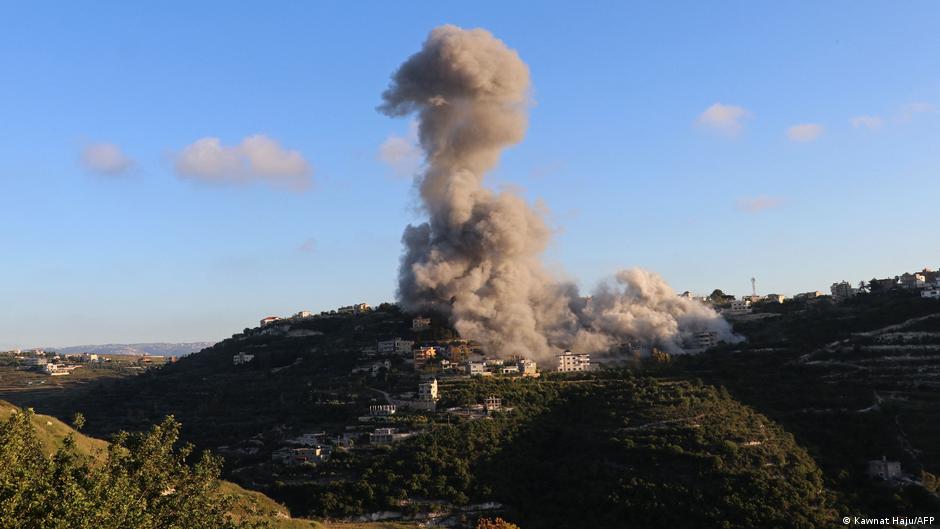
According to classified intelligence reports, Israel intends to continue military operations against Hezbollah, the Lebanese Shiite militant group backed by Iran. This stance conflicts with Tehran’s demands for a cessation of hostilities as a prerequisite for further negotiations with the US. The Israeli government views the June 17 memorandum of understanding between the US and Iran as a relaxation of the “maximum pressure” campaign on Tehran, potentially undermining Israel’s capacity to counter Hezbollah threats.
"The agreement removes the maximum pressure regime from Iran and may limit Israel’s ability to defend itself against Hezbollah," the report notes.
For Netanyahu, who is preparing for parliamentary elections in autumn 2026, maintaining a tough stance against Hezbollah aligns with domestic public opinion. A recent May survey by Israel’s Institute for National Security Studies indicates that 70% of Jewish citizens support intensified efforts against Hezbollah. Any withdrawal of the Israel Defense Forces (IDF) from southern Lebanon or a halt to combat operations could be perceived by Israeli voters as a political defeat for Netanyahu.
US media outlets report that Netanyahu may leverage political pressure on President Trump to derail the US-Iran deal. Citing sources, CNN suggests that Netanyahu doubts a final agreement will be reached, primarily because Iran resists imposing limitations on its nuclear program. The Israeli prime minister reportedly mobilizes right-wing bloggers, supportive US senators, and media outlets to propagate his position.
Meanwhile, reports from Reuters and British broadcaster Sky News indicate a ceasefire agreement was reached between Israel and Hezbollah on June 19. An Israeli source confirmed the IDF would maintain its presence in southern Lebanon despite the truce. Contrarily, Beirut has accused the IDF of violating the ceasefire by conducting strikes after its commencement, although Israeli officials have not verified these claims.
The ceasefire represents a critical element of the memorandum signed by the US and Iran, intended to halt the conflict initiated on February 28 by the US and Israel against Iran. The agreement sets a 60-day negotiation period to finalize a peaceful settlement. However, hostilities in Lebanon persisted post-agreement, leading to the postponement of scheduled talks between US and Iranian delegations in Switzerland on June 19.
Iranian state media agency Tasnim reported that Iranian negotiators demand tangible evidence of US compliance with the memorandum before resuming dialogue. President Trump responded on June 19 via his social media platform, Truth Social, asserting, "It’s not us who approached out of desperation, but Iran. They’re finished! We will decide how these 60 days of negotiations go. They will not get a dime, not even ten cents."
Implications for Fintech and Digital Economy
The geopolitical uncertainty stemming from Israeli opposition to the US-Iran agreement poses potential risks for fintech, digital banking, and cybersecurity sectors, particularly in the Middle East. Heightened tensions may disrupt cross-border payment systems, increase demand for secure financial technologies, and influence investor sentiment toward tech stocks associated with regional stability.
Financial institutions engaged in digital transactions involving Middle Eastern markets might face escalated risks, necessitating enhanced cybersecurity measures and dynamic compliance frameworks. Furthermore, the potential volatility in oil prices and sanctions enforcement may drive increased adoption of blockchain and crypto technologies as alternatives for international settlements in the region.
Analysts suggest that ongoing conflicts could accelerate innovation in secure digital payments and reinforce the strategic importance of resilient fintech solutions capable of navigating complex geopolitical landscapes.